A Major Inflation Blow Right Before the Festive Season
Just as the country prepares to welcome the festive season, common citizens and business owners have been hit with a massive financial blow. Oil marketing companies have implemented a steep hike in the prices of commercial LPG cylinders starting from the very first day of October. Simultaneously, vehicle owners in major metropolitan areas are facing increased travel costs as CNG prices have also been revised upward. This double whammy has not only distressed hotel, restaurant, and cafe owners but has also severely strained monthly household budgets.
Industry experts point out that during the festive period, commercial gas consumption reaches its peak. Consequently, an unexpected surge in these prices is bound to inflate the cost of sweets, snacks, and dining out. Business operators warn that they will have no choice but to pass on these higher production costs to the final consumers, making festival celebrations noticeably more expensive for ordinary families.
Commercial LPG Cylinder Rates Soar Across Cities
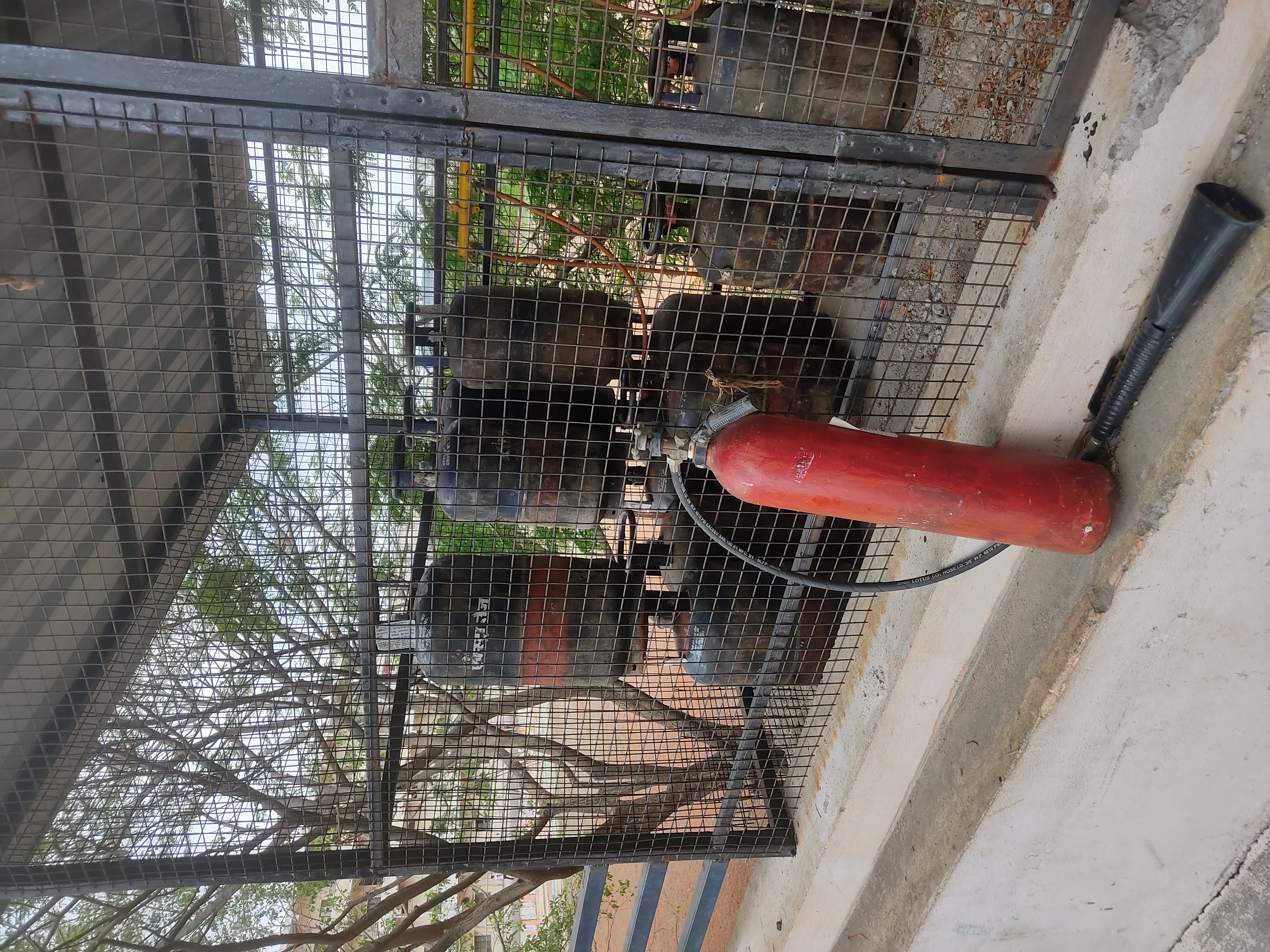
According to the revised schedules issued by fuel companies, the prices of 19 kg commercial LPG cylinders have been increased by 60 to 70 rupees across various parts of the country. In major cities of Madhya Pradesh, for instance, commercial cylinders in Bhopal are now priced at Rs 2815, while in Indore, the rate has climbed to Rs 2919. Furthermore, Jabalpur has touched Rs 3030 and Gwalior stands at Rs 3037. Rewa district recorded the highest rates, with cylinders costing up to Rs 3066.
This substantial price hike directly affects small roadside food vendors as well as established hospitality businesses. With energy inputs becoming costlier, merchants are compelled to recalibrate their pricing structures, ultimately trickling down the financial burden to everyday buyers who rely on commercial food services.
Commuters Squeezed as CNG Prices Rise in Mumbai
Beyond cooking fuel, transport sectors have also been dealt a setback with increased CNG (Compressed Natural Gas) pricing. Following a two-rupee hike in September, Mumbai witnessed yet another one-rupee increase in CNG at the start of October, pushing the retail price to 89 rupees per kilogram. Drivers express deep concern over these relentless fuel price hikes eroding their daily earnings.
This increment directly impacts auto-rickshaw drivers, taxi operators, and commercial transport workers who log extensive daily mileage. Analysts suggest that if transport fuel costs continue on this upward trajectory, passenger fares might soon see a revision, adding further pressure to daily commuters relying on public transport options.
Understanding the Drivers Behind the Price Surge
Explaining the rationale behind these continuous price revisions, companies cite the escalating costs of importing Liquefied Natural Gas (LNG) and RLNG. Given that India imports a significant portion of its energy requirements, global supply chain disruptions and currency fluctuations have made foreign energy procurement notably expensive. Passing on these imported cost pressures has thus become unavoidable for suppliers.
Energy economists note that until international crude oil and gas markets achieve stability, relief in domestic pricing remains unlikely. Sustaining heavy corporate losses is unviable for fuel providers, making periodic market-aligned price corrections a recurring necessity.
Practical Tips to Manage Household Budgets During Festivities
Amidst rising commercial fuel costs, anxieties naturally loom over whether household LPG prices might follow suit. Although domestic cylinder rates remain unchanged for now, practicing energy prudence is the wisest course of action. With extensive cooking and sweet-making characterizing festival preparations, gas consumption invariably surges.
Simple domestic methods can help monitor remaining gas levels without requiring specialized meters. Pouring room-temperature water down the side of the cylinder and feeling for temperature variances offers a reliable indicator; liquid LPG absorbs ambient heat quickly, leaving the portion with gas cooler to the touch. Alternatively, subtracting the tare weight (empty cylinder weight) from the gross measured weight provides a fairly accurate estimate of remaining fuel.
"This steep escalation in commercial gas and CNG rates right at the doorstep of the festive season is a profound blow to small traders and transport operators. Authorities and energy providers must remain vigilant to ensure that these hikes do not disproportionately cascade into broader everyday inflation for common citizens." — Economic Affairs Analyst
Ultimately, navigating this financial climate requires individual vigilance. Adopting energy conservation measures and smart budgeting will remain essential strategies for households and businesses alike as they step into the festive months ahead.