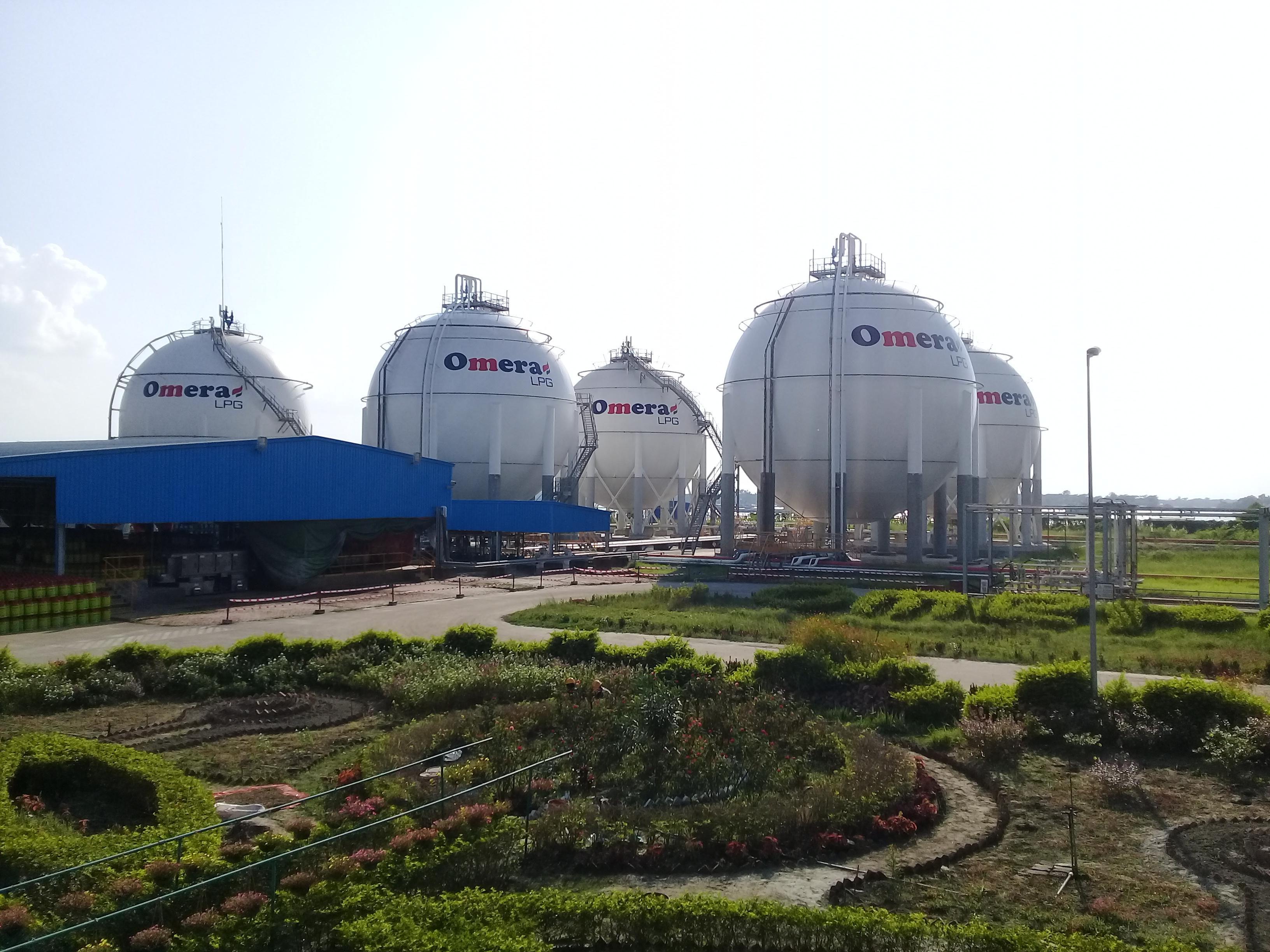
The Bizarre Pricing Anomaly in the LPG Distribution Market
Cooking gas prices have always been a sensitive subject for households across the nation. Whenever LPG rates fluctuate slightly, the common citizen's monthly budget feels the direct impact. However, a peculiar phenomenon has recently surfaced within the energy distribution sector, leaving both consumers and market experts astonished. In several areas, domestic and commercial LPG cylinders are being openly sold at prices heavily discounted by up to six hundred rupees below the official government rates.
At first glance, this might appear to be a major welfare relief or a special subsidy scheme introduced by authorities. In reality, however, the underlying truth is tied to a cutthroat commercial competition, intense monthly quota pressures imposed by oil marketing companies, and a flourishing syndicate of illegal gas refilling. While regular consumers booking through official channels continue to pay standard prices, bulk buyers and unauthorized commercial establishments are reaping the benefits of this discounted grey market.
This irregular rate war not only distorts market equilibrium but also exposes deep structural flaws within the public distribution network for cooking gas. Understanding why distributors are forced or tempted to slash prices so drastically requires a closer look at the operational challenges and regulatory loopholes plaguing the LPG supply chain.
Quota Pressures and Cutthroat Competition Among Distributors
Oil marketing companies enforce strict operational guidelines for authorized LPG distributorships. Every agency is assigned a mandatory monthly quota of cylinders that must be lifted and distributed within a specified timeframe. Failure to meet these targets in time can severely impact an agency's performance rating and disrupt its supply chain continuity. To avoid penalties and maintain good standing with the oil depots, distributors often resort to desperate measures.
In order to clear their mandatory monthly quotas, agency operators frequently approach bulk purchasers, local eateries, small hotels, and unorganized commercial establishments. Driven by the need to outperform rival distributors in the local market, operators engage in an unhealthy price war. Those eager to maintain their market share start dumping cylinders at heavily slashed prices, creating a massive gap of up to six hundred rupees per unit compared to the official retail price.
This unethical discounting severely penalizes honest distributors who strictly adhere to corporate guidelines and statutory pricing. As grey-market operators flood the area with cheap gas, the profit margins of legitimate businesses are wiped out, pushing small-scale compliant agencies to the brink of financial collapse.
The Dark Side of Illegal Refilling and Misuse of Domestic Cylinders
Another hazardous dimension of this unauthorized discounting game is the rampant syndicate of illegal gas refilling. According to established regulations, the 14.2 kg domestic LPG cylinder is strictly meant for household cooking purposes, whereas commercial enterprises are legally required to use the 19 kg commercial cylinder. However, due to higher commercial pricing and heavier tax implications, small business owners constantly seek cheaper alternatives.
Illegal refilling syndicates exploit this price differential by procuring domestic cylinders in bulk and transferring the gas into commercial or smaller containers using unauthorized equipment. Such unlawful operations not only result in massive revenue losses for the exchequer but also pose severe safety hazards to citizens. Diverting household supplies for commercial consumption places an artificial strain on domestic availability.
This unregulated discounting creates widespread confusion among ordinary consumers. While citizens who follow proper booking procedures pay the full official price, those engaging with unofficial channels acquire fuel at a fraction of the cost, ultimately eroding public trust in the transparent delivery of essential commodities.
Administrative Apathy and the Need for Strict Regulatory Action
Under existing statutory guidelines, LPG prices are exclusively determined by oil marketing companies, and selling cylinders below or above official rates through irregular channels is a punishable offense. Despite these clear legal boundaries, the unhindered proliferation of such practices raises serious questions about the vigilance of local administration and supply departments.
Regulatory bodies and food supply authorities are tasked with monitoring distributor operations and taking immediate punitive action against irregularities. However, critics note that enforcement agencies often remain dormant until public complaints escalate into major controversies, thereby emboldening unlawful operators and discount syndicates.
"Selling LPG cylinders at massive unauthorized price differentials to meet artificial quotas is a direct violation of regulatory frameworks. Such practices create a dangerous grey market that undermines official distribution systems and requires immediate corrective intervention." — Senior Energy Analyst & Consumer Rights Expert
The Way Forward and Accountability
The unfolding situation in regional LPG distribution networks highlights an urgent need for structural reform and rigorous oversight. Oil marketing companies must review their mandatory quota policies and supply mechanics to alleviate undue pressure on distributors. Concurrently, district administrations must launch proactive surprise inspections to dismantle illegal refilling hubs and penalize agencies flouting statutory pricing rules.
Without decisive regulatory intervention, this destructive price war threatens to destabilize local energy markets further. Restoring integrity to the cooking gas supply chain remains essential for protecting consumer interests and ensuring public safety.