The Historical Precedent of the Third-Year Political Slump
Looking back at the political history of independent India, a distinct pattern emerges. As any ruling administration enters the third year of its term, signs of administrative fatigue and political friction invariably surface. The gap between public expectations and ground-level delivery widens, creating fertile ground for political dissent. Few prime ministers or ruling coalitions have managed to completely bypass this historical trap.
From the late 1960s onward, every major political transition has witnessed a slowdown during the mid-term phase. When policies fail to create an immediate impact, public weariness sets in. Only a leadership willing to drastically reinvent its political approach can navigate this treacherous path successfully. Today's political landscape finds itself grappling with a remarkably similar set of intense examinations.
The Role of the Election Commission and Institutional Integrity
In recent times, the actions and positioning of the Chief Election Commissioner have thrust the election watchdog into the eye of a political storm. While constitutional functionaries enjoy high levels of legal protection making removal nearly impossible, the perception of absolute neutrality remains vital for democratic credibility.
Sharp criticism from the opposition and civil commentators highlights an escalating friction between political actors and independent bodies. With crucial state assembly polls on the horizon, the integrity and management of the electoral framework have become central to national discourse. Resolving this tension through transparent dialogue remains essential for preserving public faith in democratic institutions.
Parallels with Past Leaders: From Indira to Narasimha Rao
Historical records show how Indira Gandhi split her party in 1969 and pivoted toward left-leaning alliances to survive her mid-term crisis, though by 1974 her administration faced severe public backlash. Similarly, Rajiv Gandhi secured a massive mandate in 1984, only to lose his political footing by 1987 amidst rising controversies.
A parallel story unfolded during P.V. Narasimha Rao's tenure. After initiating bold economic reforms in 1991, his government bogged down significantly by 1993 due to the Ayodhya fallout and internal party rebellions. These recurring historical episodes demonstrate how initial political momentum inevitably runs up against complex realities as years progress.
Economic Pressures and the Urgent Need for Job Creation
Although India maintains its position as one of the fastest-growing major economies globally, the percolation of wealth down to the common citizen remains a subject of intense debate. While macroeconomic indicators appear robust, stagnant job growth and flat wages among the youth create underlying anxieties.
Long-term strategic bets on semiconductors, domestic defense manufacturing, and critical minerals require extensive gestation periods before yielding tangible employment benefits. Public impatience with delayed gratification demands proactive adjustments from policymakers to sustain trust and economic stability.
Navigating Complex Geopolitical Realities
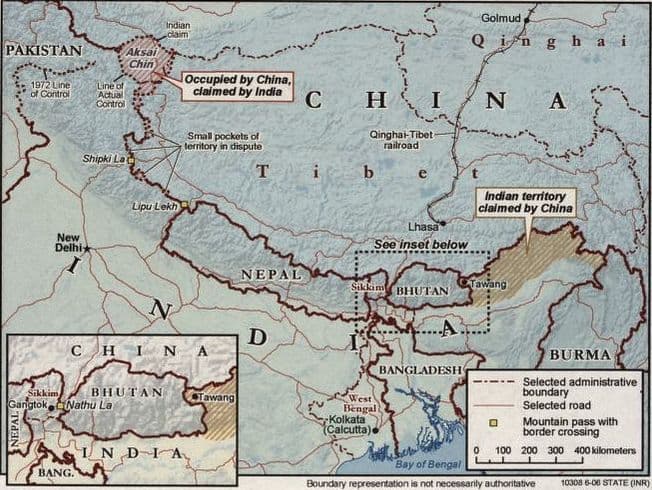
Beyond domestic challenges, India's foreign policy establishment navigates an increasingly intricate web of superpower dynamics involving the United States, China, and Russia. Balancing relationships amidst persistent global rivalries demands extreme diplomatic dexterity and calculated maneuvers.
As international summits approach, foreign policy decisions will face intense global scrutiny. Over-reliance on any single axis or missteps in balancing competing superpowers could complicate India's strategic autonomy. Consequently, policymakers must remain exceptionally vigilant on both internal and external fronts.