A New Dawn for Healthcare Education in Rural Regions
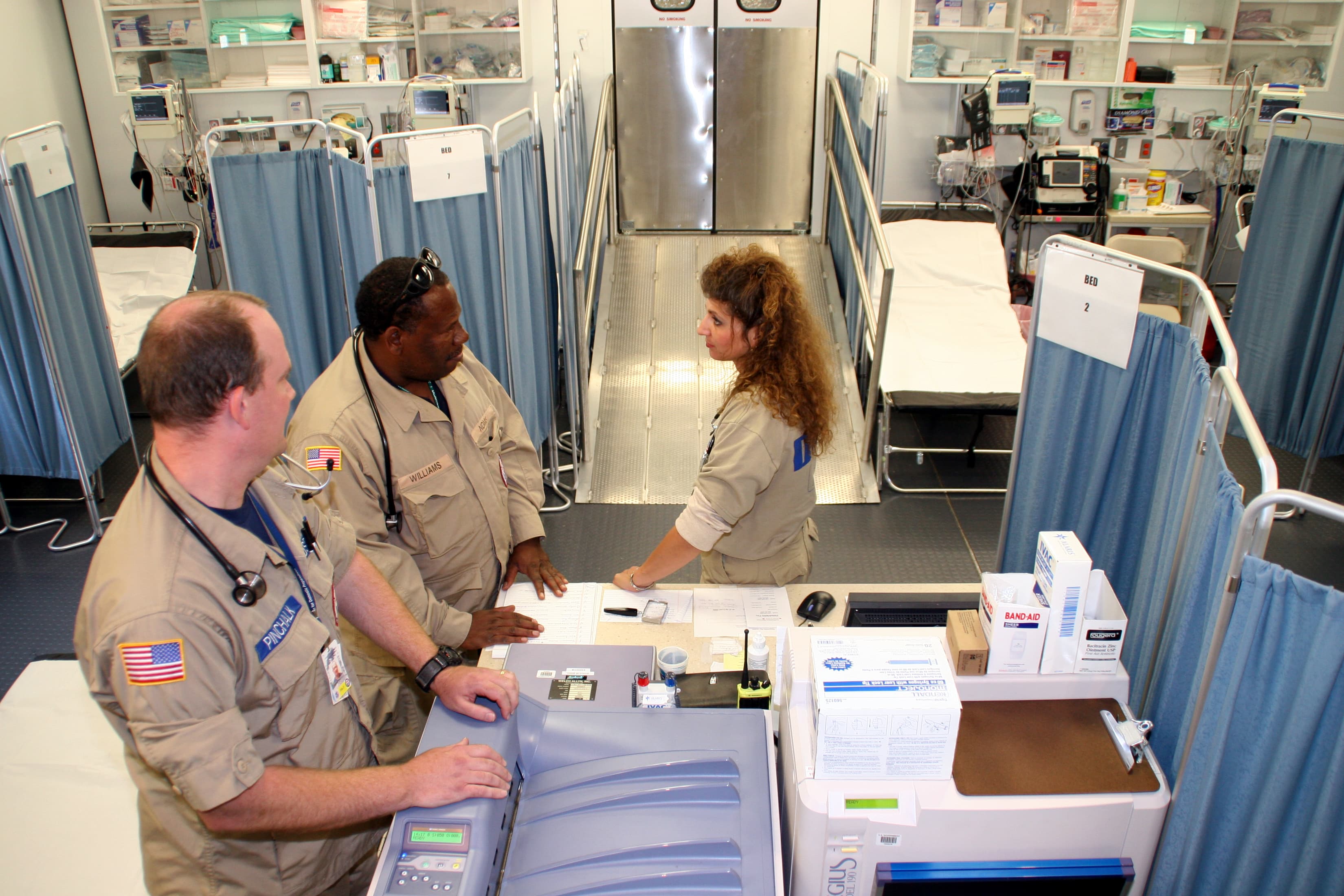
Efforts to strengthen healthcare infrastructure and medical education in remote and semi-urban parts of the country are reaching new milestones. In line with this vision, the establishment process of a premier nursing and paramedical institute has entered its final phase. A high-level state team recently conducted an exhaustive on-site inspection of the campus, bringing immense hope to ambitious youth aspiring for a career in the medical sector.
Traditionally, students hailing from small towns and rural pockets had to migrate to metropolitan cities to pursue quality nursing education. This transition often posed significant financial and logistical challenges for families. The establishment of this modern institution locally will ensure that aspirants can access top-tier medical training without leaving their home regions, bridging the urban-rural divide in education.
High-Level Delegation Conducts Rigorous Verification
To uphold absolute transparency and academic rigor, the Jharkhand Nurses Registration Council deployed an expert inspection committee comprising health officials and administrative experts. The team meticulously examined every facet of the institution, ensuring compliance with state and national educational norms.
During the visit, officials inspected the administrative block, sprawling campus grounds, advanced laboratories, lecture halls, and residential hostels. Financial guarantees and clinical training tie-ups with regional healthcare facilities were also scrutinized. The credentials and qualifications of the academic and non-academic faculty members were cross-verified to guarantee a high standard of education.
Launching 180 Seats Across Prominent Nursing Courses
According to the institutional blueprint, regular classes are slated to commence from the upcoming academic session. Initially, three core healthcare programs will be offered: Auxiliary Nurse Midwifery (ANM), General Nursing and Midwifery (GNM), and Bachelor of Science (B.Sc.) in Nursing, with 60 designated seats for each course, bringing the total intake capacity to 180 students per batch.
Educational experts emphasize that such specialized courses are vital for building a robust healthcare workforce. Graduates from these programs typically serve local hospitals and community health centers, directly improving the medical accessibility of underprivileged populations.
"Our core objective is to empower rural youth by providing world-class medical training right at their doorstep, enabling them to serve society with utmost dedication." — Dr. Chetlal Prasad, Institute Secretary
Economic and Employment Growth in the Region
The inauguration of a higher education institution invariably stimulates local economic activity. From housing and stationery to dining services, small businesses around the campus flourish. Furthermore, employment opportunities are generated for local educators and administrative professionals.
As the institution awaits its final No Objection Certificate (NOC) and subsequent admission notifications, the surrounding community looks forward to a brighter, healthier future driven by education and self-reliance.