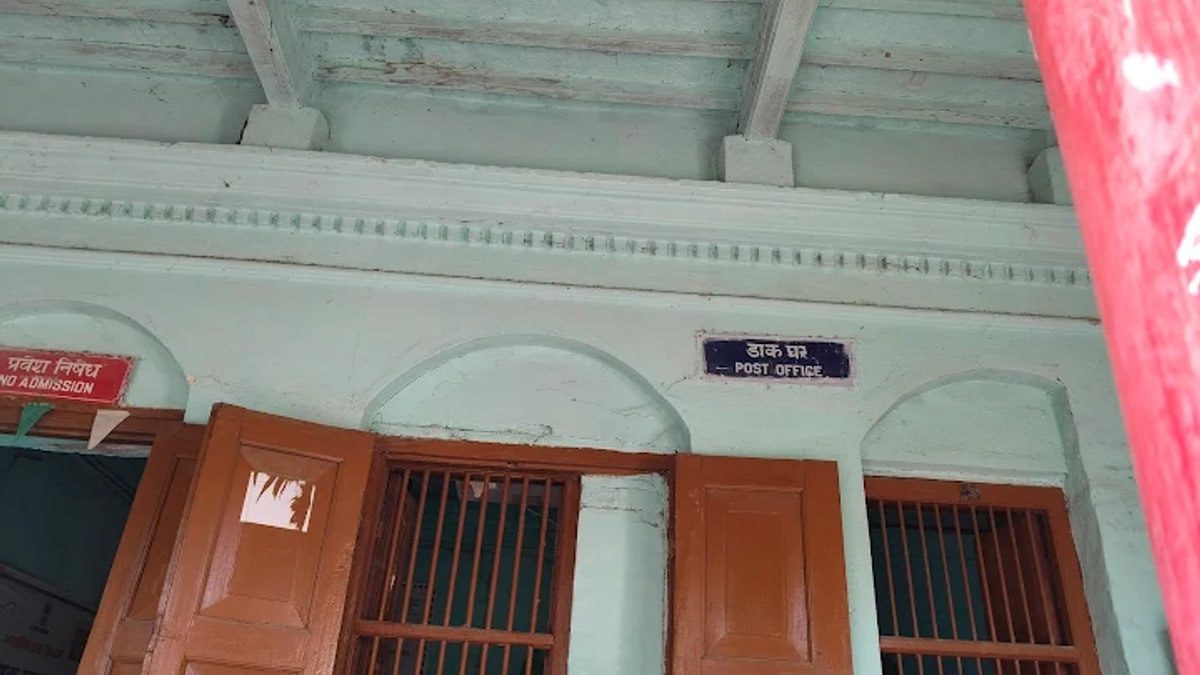
Post Office Savings Schemes and Current Interest Rates
For millions of citizens looking to safeguard their hard-earned money without facing market volatility, the central government has brought stability by keeping small savings scheme interest rates unchanged for the upcoming quarter. This ensures that investors continue to enjoy attractive and guaranteed returns on their deposits. Government-backed postal schemes have always remained the top choice for conservative investors and senior citizens across India.
If you are planning to invest your savings to generate a regular monthly income without exposing yourself to financial risks, the National Savings Monthly Income Account (MIS) is an exceptional choice. The primary advantage of this scheme is that your principal amount remains completely secure while a fixed payout is credited to your account every month, offering immense financial relief to retirees and families alike.
How the Monthly Income Scheme Works
The Post Office Monthly Income Account is a government-backed small savings scheme that operates akin to a term deposit. Investors are required to make a lump-sum deposit, which earns a fixed annual interest rate determined by the government. This annual interest is divided into twelve equal parts and paid out monthly to the depositor's savings account. If the monthly payout is left untouched, it simply remains in the savings account without earning any additional interest.
The tenure of this scheme is fixed at five years. Even after maturity, if an account is not formally closed, the remaining balance continues to earn interest at the prevailing ordinary savings account rate. This hassle-free mechanism guarantees complete peace of mind for individuals who prefer stable returns over market-linked investments.
Calculating Returns on ₹9 Lakh and ₹15 Lakh Investments
The scheme allows an individual to invest a maximum of ₹9 lakh in a single account, while the limit is extended up to ₹15 lakh for joint accounts. This flexibility empowers individuals and families to optimize their savings according to their financial goals.
For instance, investing ₹9 lakh in a single account at the prevailing 7.4% annual interest rate yields an annual interest of ₹66,600. When distributed across twelve months, it translates to a steady monthly income of approximately ₹5,550. On the other hand, a joint account investment of ₹15 lakh generates an annual interest of ₹1,11,000, resulting in a monthly payout of ₹9,250.
Understanding Kisan Vikas Patra Rules and Premature Closure
Another prominent postal savings instrument is the Kisan Vikas Patra (KVP), where invested amounts double upon maturity over a tenure of 115 months (9 years and 7 months). While minimum investments start at ₹1,000 with no upper ceiling, premature closure is subject to stringent guidelines. Encashment before maturity is generally restricted unless specific conditions are met, such as the demise of the account holder or a court directive. Additionally, KVPs can be pledged as security to secure authorized loans from financial institutions.
Conclusion: Securing Financial Future Through Government Schemes
At a time when financial markets remain unpredictable, postal savings schemes provide a robust safety net for ordinary citizens. By combining guaranteed returns with absolute capital security, these plans empower individuals to achieve financial independence and stability.