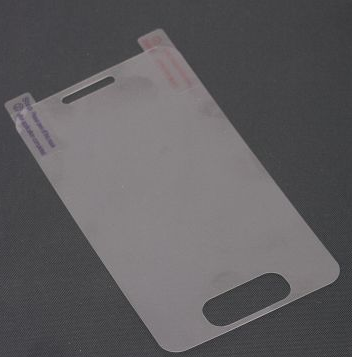
New Government Rules for Smartphone Screen Protectors
Smartphones have become an indispensable part of our daily lives. Protecting our phone screens is a primary concern for every user, which leads millions of people to purchase various screen protectors and tempered glasses. However, the Indian government has now stepped in to regulate this largely unorganized sector to ensure better consumer safety and product quality.
The Ministry of Electronics and Information Technology (MeitY) has issued a significant notification stating that mobile phone screen protectors will now require mandatory Bureau of Indian Standards (BIS) certification. This move aims to bring transparency, quality control, and safety into the massive mobile accessories market in India.
Implementation Deadline and Key Requirements
The new regulations for smartphone screen protectors will officially come into effect starting April 1, 2027. This gives manufacturers and importers adequate time to align their products with the newly established standards.
According to the notification, screen protectors must comply with the designated Indian Standard IS 19348:2025. Under the mandatory registration system, selling or importing screen protectors without prior BIS approval will be strictly illegal in India once the rule takes effect.
Impact on Importers and Market Quality
The new BIS standards will set strict guidelines regarding the thickness, dimensions, glass quality, and durability of screen protectors. Features like anti-shatter films, oleophobic coatings, anti-glare properties, and blue-light filters will be regulated under these new norms.
This will heavily impact importers and brands that currently flood the Indian market with unbranded, substandard accessories imported from China and other countries. Only products meeting strict safety and quality parameters will find a place in the market.
What It Means for Everyday Consumers
While certified screen protectors may witness a slight price adjustment due to the rigorous testing and compliance procedures required, consumers will ultimately benefit from superior screen protection and durability. The era of cheap, easily breakable local screen guards is set to undergo a major regulatory transformation by 2027.