Escalating Tensions and Trump's Firm Stand
The global geopolitical landscape is witnessing a dangerous escalation as the conflict between the United States and Iran enters a critical phase. US President Donald Trump has outright rejected a seven-day ceasefire proposal from Tehran, signaling that Washington remains in an aggressive posture ahead of upcoming mid-term elections. Political analysts suggest the Trump administration views these diplomatic overtures as strategic maneuvers designed to buy time.
Reports indicate that the US president has briefed key advisors that military actions could intensify significantly once domestic political milestones are crossed. With diplomatic channels nearly paralyzed, both nations are bracing for potential military flare-ups, raising anxiety levels across international markets and neighboring states.
Unprecedented US Naval Buildup Near Iran
To establish strategic dominance, the United States has massively augmented its military footprint in the Middle East. The nuclear-powered aircraft carrier USS Theodore Roosevelt has been dispatched to the region, accompanied by amphibious assault groups carrying thousands of marines. This adds to the existing deployments of the USS George H.W. Bush and USS George Washington.
Defense experts note that the convergence of three carrier strike groups by late autumn will mark the largest naval gathering in the region since the 2003 Iraq war. Furthermore, F-35 fighter jets and Patriot air defense batteries have been reinforced in key allied nations like Saudi Arabia and Qatar, giving the White House multiple tactical options.
Israel's Warning and Intelligence Operations
Israel has added further gravity to the situation, with Prime Minister Benjamin Netanyahu issuing stern warnings regarding security breaches. Joint intelligence operations involving Mossad and the CIA are actively investigating security incidents linked to regional proxies. Netanyahu emphasized that any hostile actions would invite severe retaliation.
The strategic Strait of Hormuz remains the epicenter of maritime friction, where commercial tanker incidents have disrupted global energy supply chains. Continued skirmishes in these vital waters have heightened fears of a broader regional conflagration involving multiple state actors.
Tehran Mobilizes Civilians and Prepares for Ground Combat
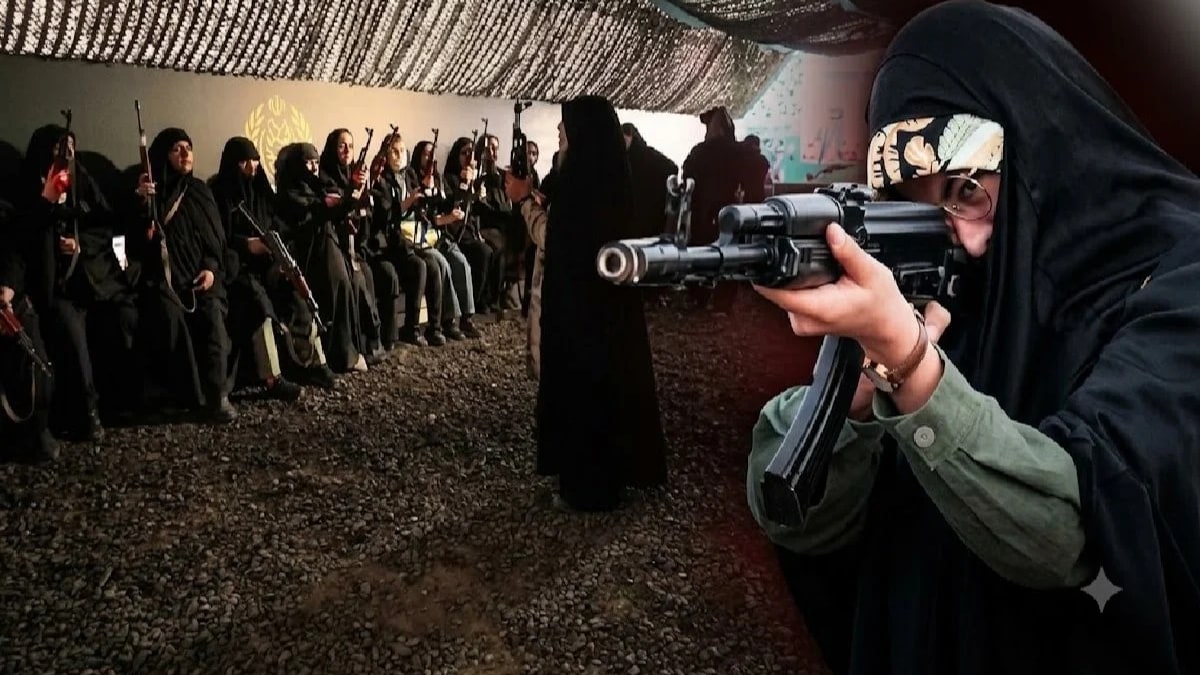
In response to mounting western pressure, Iran is actively preparing its populace for potential ground engagements. Military training facilities in Tehran have witnessed hundreds of women and civilians undergoing rigorous firearms and combat training, demonstrating national resolve against external threats.
Iranian Foreign Minister Abbas Araghchi reiterated that military force and economic sanctions will not resolve the ongoing dispute, emphasizing that dignified negotiations based on fairness are the only viable path forward. However, with missile tests and defensive drills underway, the region stands precariously on the brink of an all-out war.