The Disappearing Night Sky and Urban Light Pollution
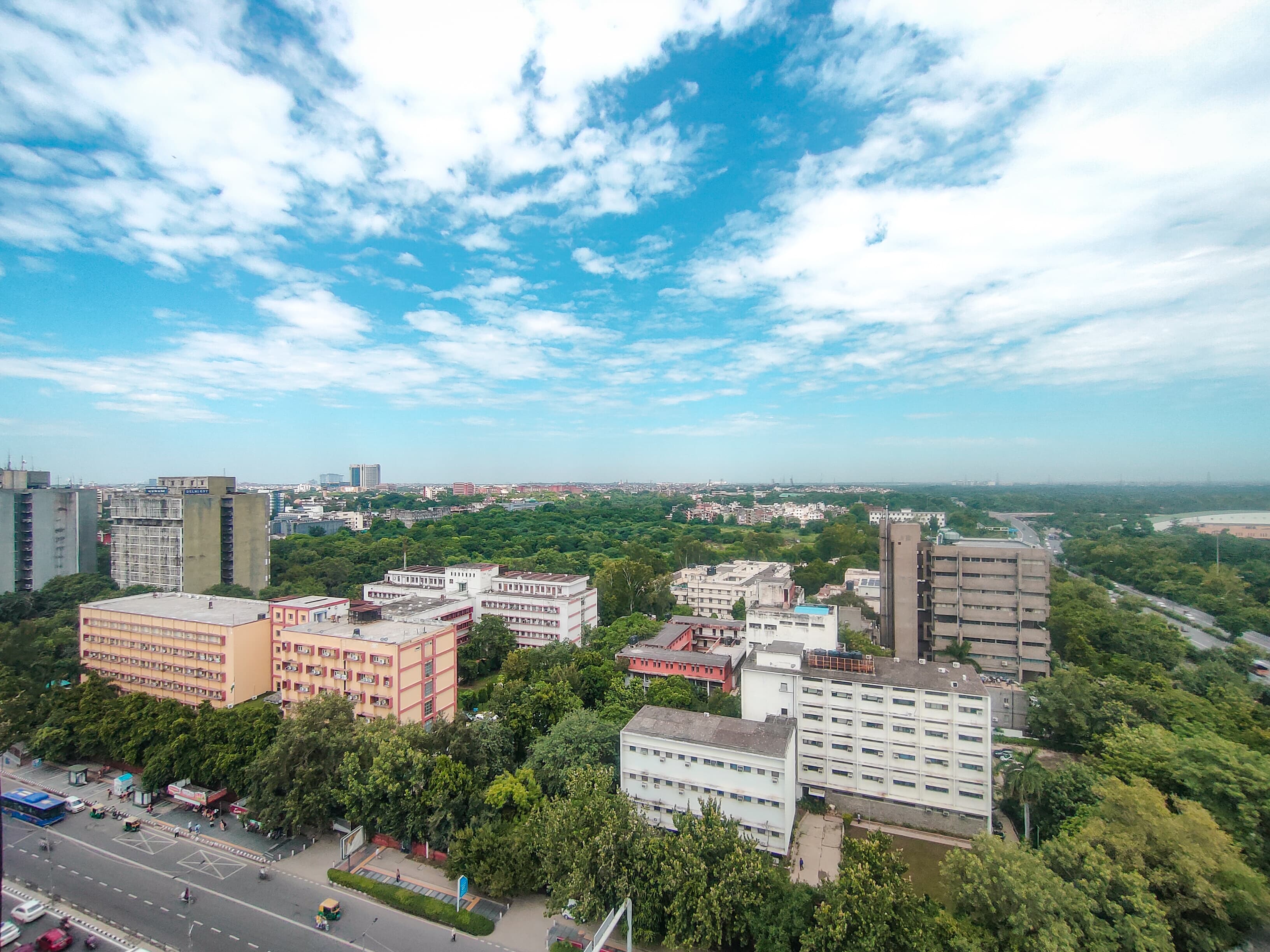
As modern cities expand and modernize, our night skies are increasingly washed out by artificial glare, a phenomenon known as light pollution. In densely populated urban areas, stargazing from a home balcony has become a rare luxury, replaced by an artificial orange-white glow that obscures natural constellations. Recognizing this growing environmental blind spot, a brilliant young student from Udhampur has stepped forward with an innovative technological solution to make measuring light pollution accessible to everyone.
Traditionally, measuring light pollution requires specialized scientific equipment and professional astronomical expertise, keeping ordinary citizens alienated from the issue. However, driven by curiosity and a desire to make a difference, this young innovator conceptualized and built 'SkyQI', a user-friendly mobile application designed to simplify night sky assessment.
How the 'SkyQI' App Empowers Everyday Stargazers
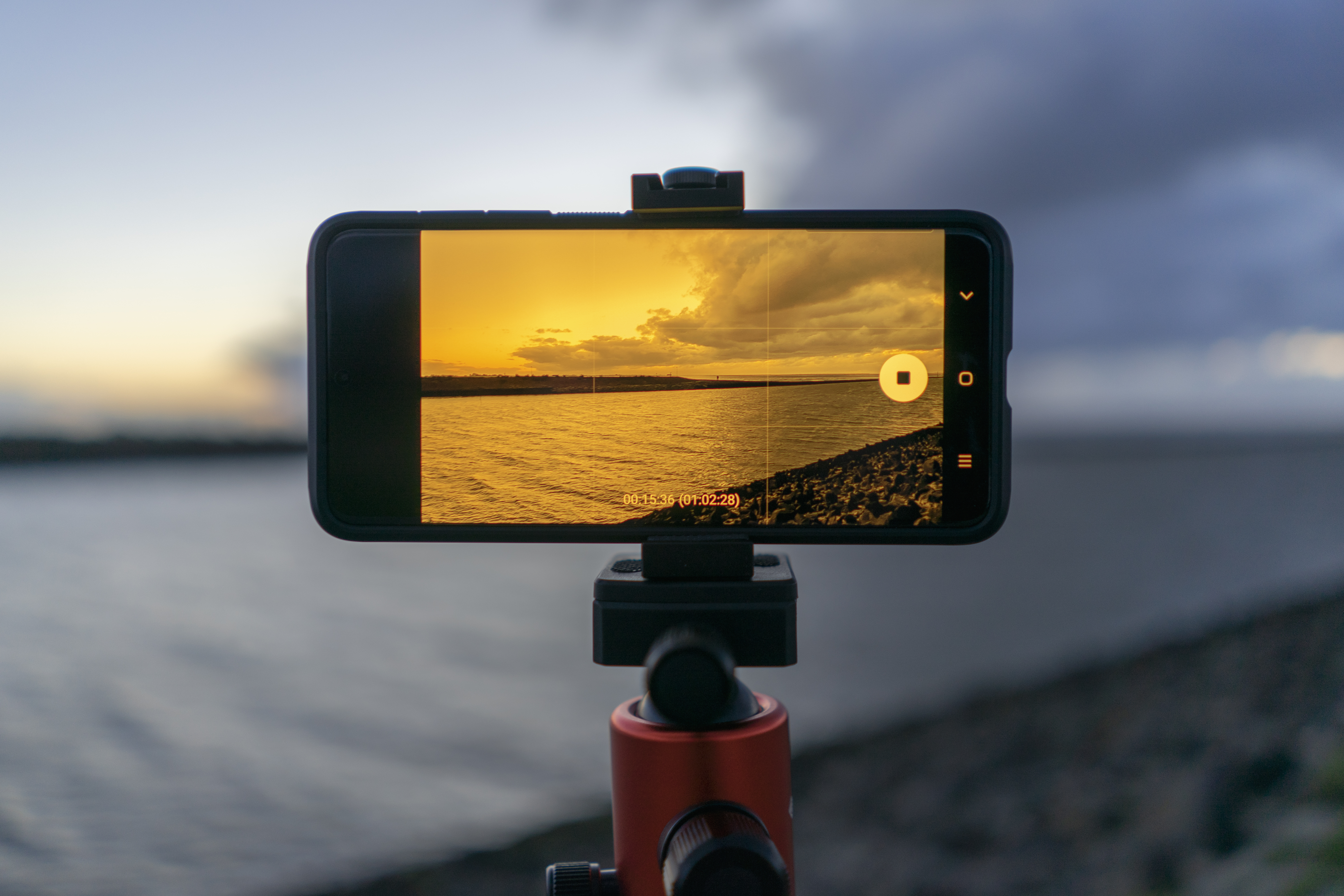
The 'SkyQI' application bridges the gap between advanced environmental science and daily smartphone usage. By prompting users to capture night sky conditions or evaluate star visibility against structured parameters within the app, the underlying algorithm instantly estimates the local light pollution index.
Designed with simplicity in mind, the app requires no prior astronomical training. Students, hobbyists, and everyday citizens can download and utilize it effortlessly, transforming their mobile phones into effective tools for grassroots environmental monitoring.
From Childhood Nostalgia to Technological Innovation
Every remarkable breakthrough stems from a personal connection to a problem. For this young creator, the inspiration came from a simple childhood realization: she could no longer see the starry night skies from her home balcony due to aggressive local illumination and haze.
Motivated to reclaim the natural nightscape, she spent months researching stellar magnitudes, atmospheric light scattering, and coding basics. Her dedication culminated in the successful launch of a functional, impactful prototype that has earned widespread local praise.
"Light pollution impacts our natural heritage and mental peace, yet it remains overlooked. My app is a step toward making people aware of what we are losing in our night skies." — Young Innovator, Udhampur
Looking Ahead: Fostering Scientific Temperament
Educators and community leaders have lauded the student's initiative, noting that grassroots innovations of this nature foster critical thinking and practical problem-solving skills among youth. Experts suggest that scaling up such applications could potentially crowdsource valuable environmental data for researchers studying energy wastage and urban illumination policies globally.