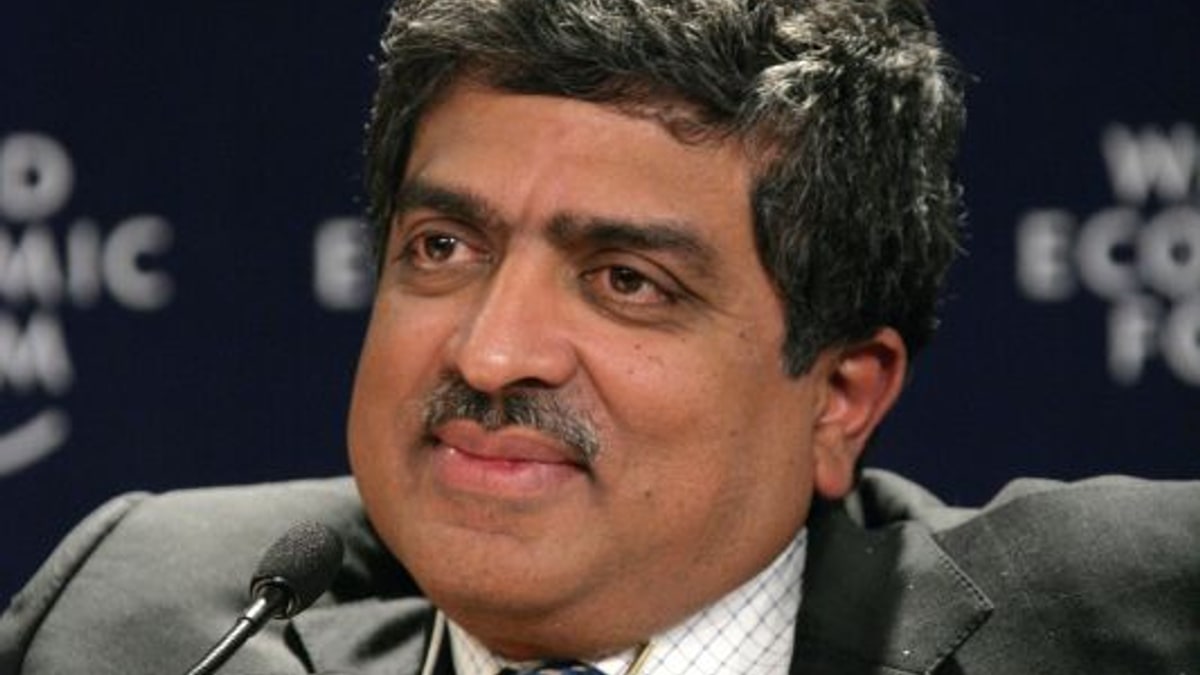
The Unique Identification Authority of India (UIDAI) is currently operating on two distinct fronts: making Aadhaar services digitally accessible for ordinary citizens while simultaneously cracking down heavily on fraud and irregularities. 'The Freelance' team investigated these administrative shifts and ground realities.
End of Long Queues: Major Services Now Available at Home
To relieve citizens from standing in long queues at government offices, UIDAI has introduced revolutionary rule changes. Updating names and other essential modifications no longer require hours of waiting at Aadhaar Seva Kendras, bringing immense relief to senior citizens and working professionals.
Facial Recognition Transforms PDS Ration Distribution
UIDAI has streamlined five major Aadhaar services, most notably in the Public Distribution System (PDS). Overcoming traditional biometric failures, the 'face is now the identity for ration' initiative utilizes facial recognition technology to curb corruption and leakages in food grain distribution.
Expansion of Authorized Aadhaar Seva Kendras
New UIDAI-approved Aadhaar Seva Kendras have been launched across urban and semi-urban centers, ensuring transparent operations while maintaining strict verification protocols.
Why 1.66 Lakh Aadhaar Cards Were Cancelled in Bihar
Reflecting strict administrative enforcement, reports from Bihar indicate that over 1.66 lakh Aadhaar cards were cancelled within three months, prompting citizens to rush to Patna offices. UIDAI sources state this crackdown targets fake documents, duplicate entries, and suspicious biometrics to maintain national database integrity.
Future Impact and Conclusion
UIDAI's dual approach of citizen convenience and zero-tolerance against fraud matures India's digital identity system, ensuring that future verification processes remain secure, fast, and user-friendly.