
Why Blood Sugar Fluctuations Pose a Serious Risk for Diabetics
Managing blood glucose levels depends largely on your daily habits, diet, and lifestyle routines. While minor fluctuations in blood sugar are common, frequent and extreme variations can invite severe health complications. According to Dr. Ambrish Mithal, Chairman and Head of Endocrinology and Diabetes at Max Healthcare in Delhi, lowering blood sugar is not the sole objective; maintaining it within a strict target range is far more critical for long-term health.
Both extremely low blood sugar, known as hypoglycemia, and excessively high blood sugar, known as hyperglycemia, present serious health risks for individuals battling diabetes. When blood sugar plummets unexpectedly, vital organs—especially the brain—are deprived of necessary energy, leading to dangerous medical emergencies. Therefore, patients must continuously monitor their glycemic levels and treat any early warning signs with utmost seriousness.
Many individuals focus solely on controlling high blood glucose while neglecting the silent dangers of dropping sugar levels. Understanding the early symptoms and having a clear action plan can prevent life-threatening situations and ensure better overall management of the condition.
Understanding Hypoglycemia and Its Primary Triggers
Generally, a blood glucose reading of 70 mg/dL or lower is classified as hypoglycemia. Several distinct factors can trigger this dangerous dip. One of the most common causes is an accidental overdose of insulin or other diabetes medications. Taking medications without proper food intake or miscalculating dosages often leads to this sudden plummet.
Skipping meals or maintaining long gaps between eating schedules also depletes the body's glucose reserves. Additionally, engaging in unusually intense physical activity or unaccustomed exercise without consuming adequate carbohydrates beforehand can cause blood sugar levels to crash rapidly. Alcohol consumption and high stress levels further complicate glucose regulation in the body.
Recognizing these triggers helps patients adjust their daily routines and medication schedules in consultation with their healthcare providers, minimizing unexpected medical emergencies.
Key Physical Symptoms of Sudden Blood Sugar Drops
When blood sugar falls below the safe threshold, the body immediately triggers distinct warning signs. Recognizing these symptoms early is vital for timely intervention. Common indicators include sudden nervousness, unexplained anxiety, trembling hands, and cold sweats.
Patients may also experience dizziness, lightheadedness, severe fatigue, and blurred vision. In more advanced stages, heart palpitations and confusion set in, making it difficult to communicate or think clearly. If left untreated, severe hypoglycemia can lead to fainting, seizures, or even a coma.
Experts emphasize that feeling any sudden tremor or unexplained sweat should prompt an immediate blood glucose check to rule out a dangerous hypoglycemic event.
"Both extremely low blood sugar, known as hypoglycemia, and excessively high blood sugar, known as hyperglycemia, present serious health risks for individuals dealing with diabetes." — Dr. Ambrish Mithal, Chairman, Endocrinology and Diabetes, Max Healthcare
The 15-15 Rule: A Lifesaving Strategy for Diabetics
To effectively manage sudden drops in blood glucose, medical professionals recommend the proven '15-15 rule'. This simple yet effective protocol should be familiar to every diabetic patient and their family members.
When symptoms of hypoglycemia appear and blood sugar reads below 70 mg/dL, consume approximately 15 grams of fast-acting carbohydrates. This can be in the form of 100 to 150 milliliters of regular sweet fruit juice, soda, or glucose tablets, which rapidly elevate blood sugar levels.
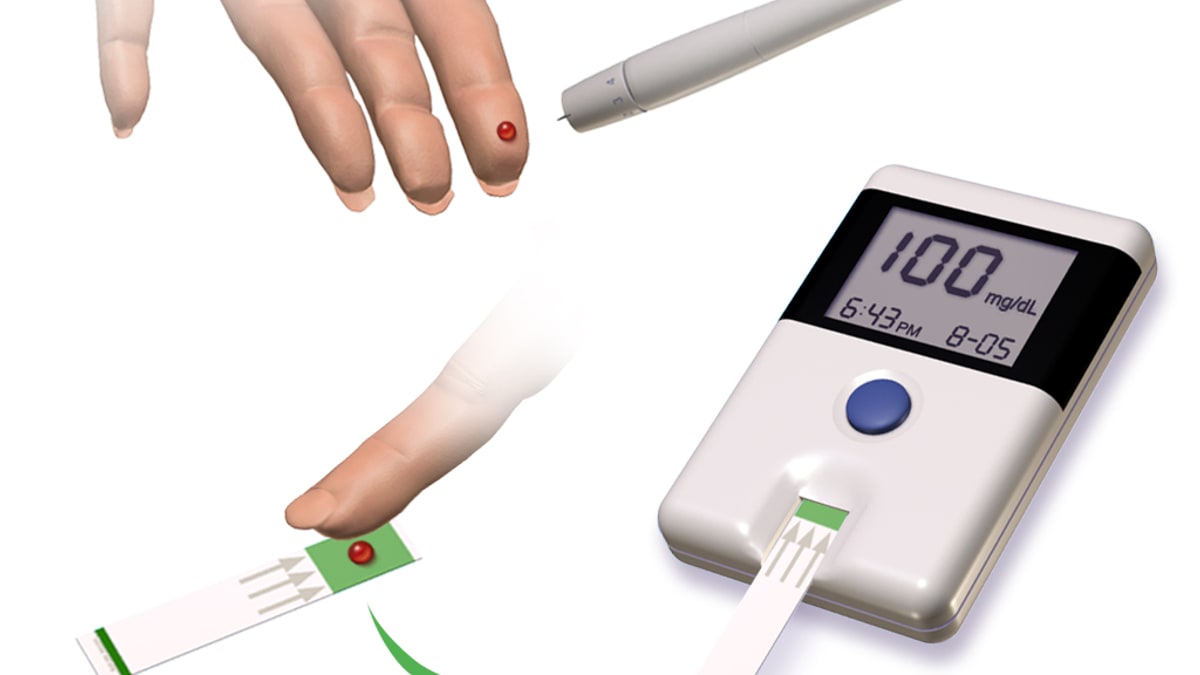
After consuming the fast-acting carbs, wait patiently for 15 minutes without engaging in strenuous activity. Recheck your blood glucose using a glucometer after 15 minutes. If the reading remains below 70 mg/dL, consume another 15-gram portion of carbohydrates. Repeat this process until blood sugar stabilizes.
Precautions During Exercise for Diabetic Patients
Physical activity is essential for health, but diabetics must exercise with caution. If your blood glucose is already on the lower side before a workout, consume a small snack containing carbohydrates, such as a piece of fruit or a glass of milk, to prevent a crash.
Always consult a physician to adjust insulin or medication dosages based on the type and duration of your workout. Avoid exercising immediately after heavy meals, especially if you are on insulin therapy, as post-meal exercise significantly increases the risk of hypoglycemia.


