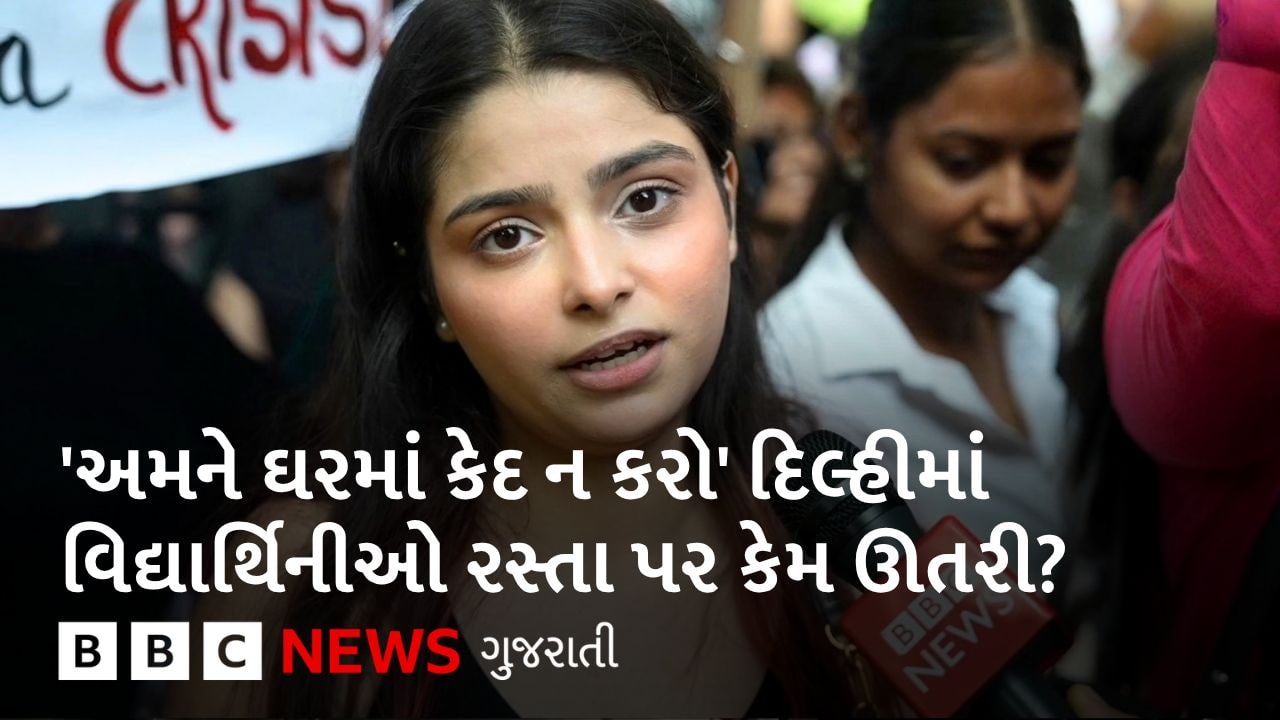
New Delhi: Protests have intensified on the streets of the national capital, making 'Delhi Protests' a top-trending subject on search engines. The recent demonstrations by student wings, notably NSUI, and the subsequent police crackdown have reignited debates surrounding law and order, as well as the freedom of expression. The Freelance ground team has conducted a detailed investigation into these developments.
Current Breaking Developments
The biggest update from today's events is the release of prominent student leader Neha Bora from police custody. Following her release, Neha Bora expressed severe anger over the police action, alleging mistreatment of women demonstrators. Meanwhile, opposition leaders, including Rahul Gandhi, have questioned the Delhi Police over the alleged mistreatment of women protesters and journalists, amplifying political pressure.
Student Outrage and Demands
Students and young women taking to the streets in Delhi have strongly opposed restrictions on their democratic rights. Raising slogans against confinement and demanding freedom of speech, youth groups argue that peaceful dissent is being suppressed through heavy-handed police tactics.
Judiciary and Administrative Context
The controversy has also reached the judiciary, with demands raised for the suspension of key officials. However, the Supreme Court maintained that directives cannot be issued solely on the basis of news reports. Despite this, administrative scrutiny and political backlash continue to grow.
Political Reactions and Future Outlook
With leaders demanding accountability and student unions vowing to continue their agitation, this issue has evolved into a significant political debate. The coming days will determine how the administration handles the growing discontent and whether institutional reforms or dialogues will follow.