The Growing Controversy Over Electoral Integrity
The neutrality and functioning of India's apex electoral body have once again taken center stage amidst intense political friction. Senior opposition leaders have raised serious questions regarding the transparency of voting systems and administrative procedures, prompting sharp reactions from across the political spectrum. In a vibrant democracy like India, public trust in foundational institutions remains paramount, making these developments a subject of national attention.
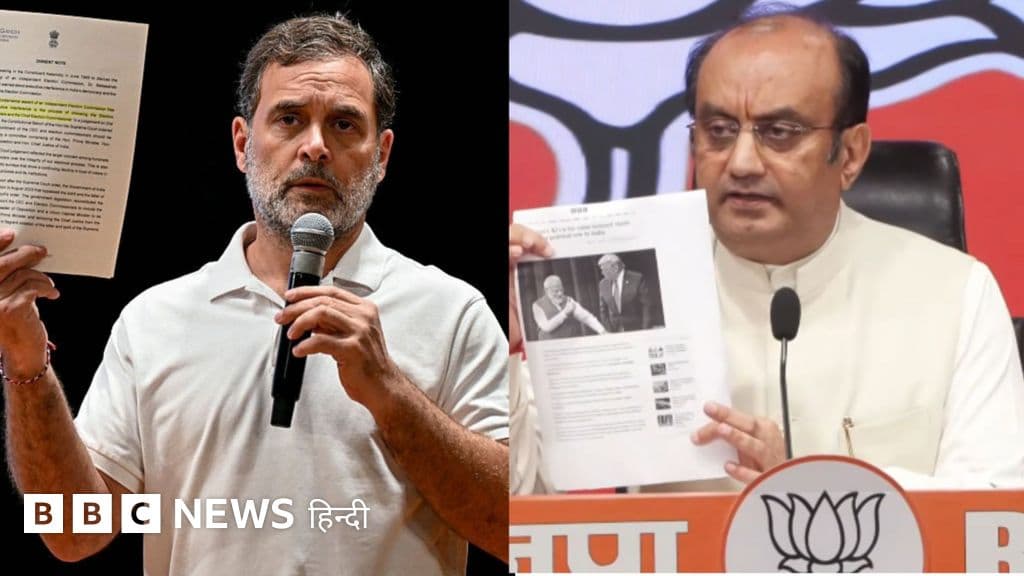
The latest wave of friction began when prominent opposition figures addressed a press conference, openly criticizing the administrative framework of the commission. They argued that maintaining the sanctity of democratic processes requires absolute accountability and transparency. Since these remarks were made, political debates have intensified significantly, drawing responses from various political factions.
Opposition Allegations and Demands for Resignation
During their public addresses, senior opposition leaders launched scathing attacks against top electoral officials, alleging severe irregularities in the voting mechanism. They formally called for the immediate resignation of the Chief Election Commissioner, arguing that rising public doubts regarding election transparency threaten the democratic fabric of the nation.
Furthermore, opposition representatives highlighted internal administrative friction within the commission. They claimed that numerous administrative transfers involving senior personnel had taken place over recent years, yet crucial performance evaluations and confidential reports remained stalled, pointing towards a lack of institutional synergy.
Union Minister Chirag Paswan Calls for Transparency
Responding to the mounting criticism from opposition quarters, Union Minister Chirag Paswan emphasized the absolute necessity of maintaining public confidence in independent institutions. While noting that political criticism is commonplace, he stressed that doubts regarding electoral transparency must be addressed proactively.
"It does not matter what the opposition says, as politics is their primary domain. However, if the general public begins to harbor doubts regarding the electoral process, it becomes a matter of serious concern. The Election Commission must strongly present its stance and leave no room for ambiguity." — Chirag Paswan, Union Minister
Paswan reiterated that India's electorate observes political developments very closely, and institutions must consistently demonstrate their impartiality to uphold democratic trust.
Future Implications for Indian Politics
As various political entities continue to air differing viewpoints on the matter, analysts suggest this ongoing debate could shape future political discourse. The discussions surrounding institutional autonomy and electoral transparency are expected to remain a focal point of national attention as political parties prepare for upcoming electoral challenges across the country.