The Rise of the Alternative for Germany (AfD) Party
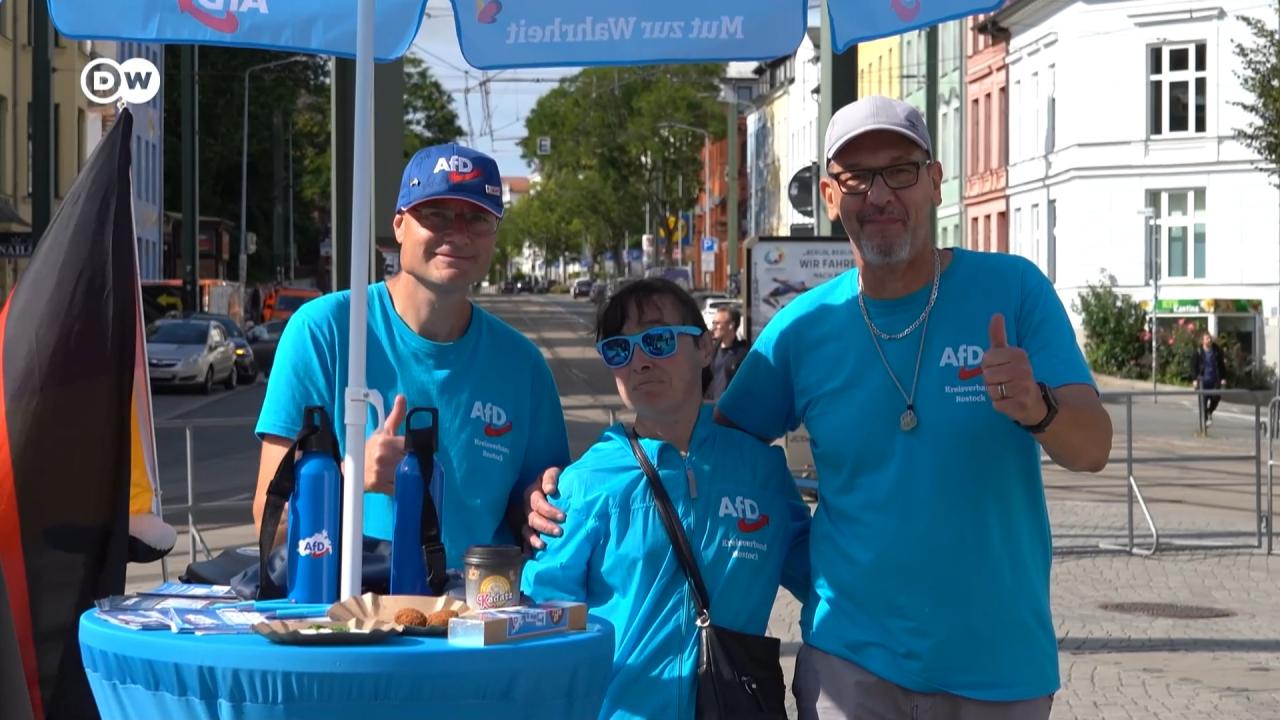
Germany, one of the most powerful and economically prosperous nations in Europe, is currently witnessing a major political shift. While the country has long been dominated by two or three mainstream parties, a new political force has been steadily shaking up the political establishment over the past few years: the Alternative for Deutschland (AfD).
Initially considered a marginal party with little influence in mainstream politics, the far-right outfit has now cemented its presence in the federal parliament (Bundestag), regional state legislatures, and local municipalities. Political analysts note that this ascent is driven by deep-seated frustrations among significant segments of society who feel alienated by traditional governance.
The Core Catalyst: Immigration and Refugee Crisis
At the heart of AfD’s growing appeal is the contentious issue of immigration and refugees. Following the 2015 migration crisis, when hundreds of thousands of asylum seekers entered Germany, social and economic strains began to surface. Concerns over public safety, housing shortages, and the strain on public welfare systems fueled anxiety among ordinary citizens.
The AfD capitalized on these anxieties, fiercely opposing open-border policies and framing itself as the sole protector of German culture and security. This messaging resonated strongly, particularly in regions most impacted by demographic shifts.
Disillusionment with Traditional Parties
Decades of rule by mainstream parties like the Christian Democrats (CDU/CSU) and Social Democrats (SPD) have left many voters feeling fatigued. Economic sluggishness, energy crises, and inflation following the pandemic and the Russia-Ukraine war have severely squeezed the middle class.
This public discontent has transformed into protest votes. Voters seeking systemic change increasingly turn to the AfD, which presents itself as the ultimate anti-establishment voice. This narrative has found fertile ground among blue-collar workers, small business owners, and rural communities.