
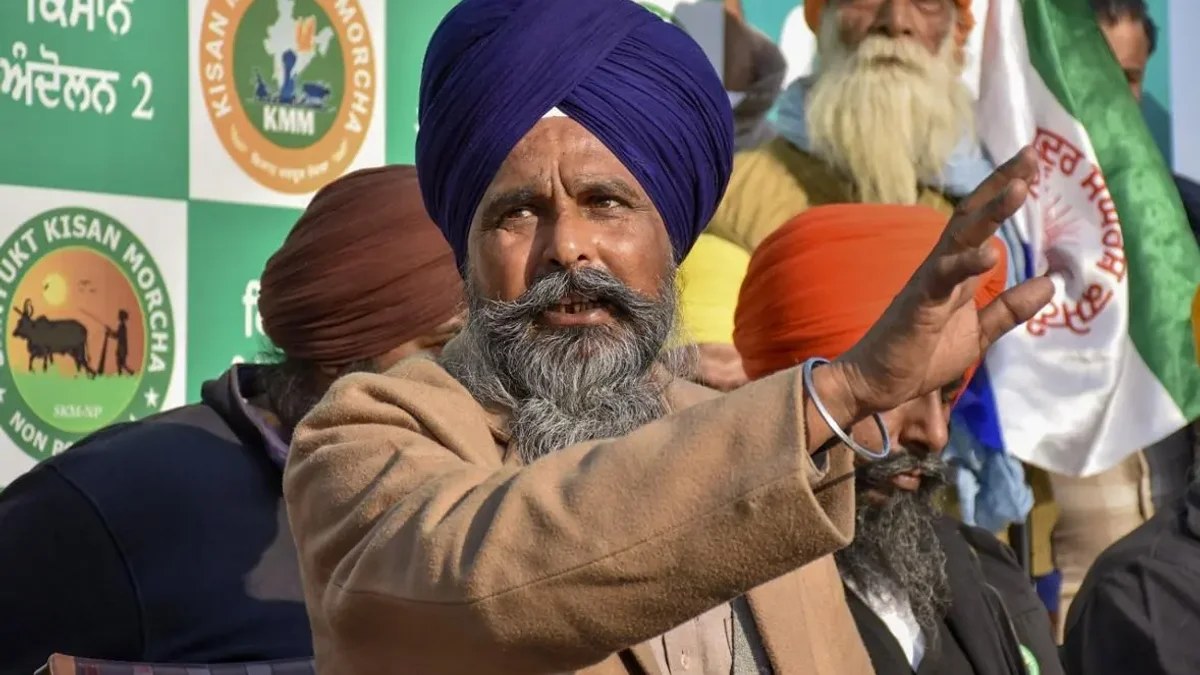
During the 'Aaj Tak Panchayat Punjab' event, farm leaders sharply disagreed over the burning of paddy stubble (parali) and the resulting air pollution. When questioned about waste management and toxic air, the leaders presented conflicting views and openly challenged each other's arguments on stage.
Discussions also touched upon mounting agricultural debt, minimum support prices (MSP), and the frequency of protests. While leaders justified agitations as a last resort when governments stop listening, the debate on stubble management created clear divisions within the leadership.

Clashing Views on Stubble Burning
Sukhwant Singh Tillu, Vice President of Punjab Kisan Morcha, questioned the practices of farmers and unions regarding stubble burning, stating that reliance on easy methods leads many to set fields on fire rather than putting in manual labor. He suggested unions should focus on grassroots awareness.
Countering this, Bhartiya Kisan Union General Secretary Harinder Singh Lakhowal blamed agricultural universities and the prohibitive cost of management machinery. He noted that equipment remains too expensive for small farmers even with subsidies.
Demand for Direct Cash Subsidies
Kisan Mazdoor Sangharsh Committee leader Sarwan Singh Pandher demanded direct financial assistance of Rs 3,000 per acre from the government for stubble management, arguing that small farmers lack the resources to adopt alternative methods without direct cash support.
'The Freelance' does not independently verify the absolute authenticity of all claims made during the panel discussions, which are a matter of public debate. Video Credit: Respective Media Platform / Creator.

National Desk, The Freelance
Verified Editorial DeskPolitics, Governance & Public Interest Reporting Team
The Freelance National Desk provides round-the-clock, verified, and in-depth analytical reporting on Indian politics, governance, policy decisions, parliamentary affairs, and public interest matters. We are committed to unbiased, factual journalism based on verified agencies, official statements, and on-the-ground correspondents.