
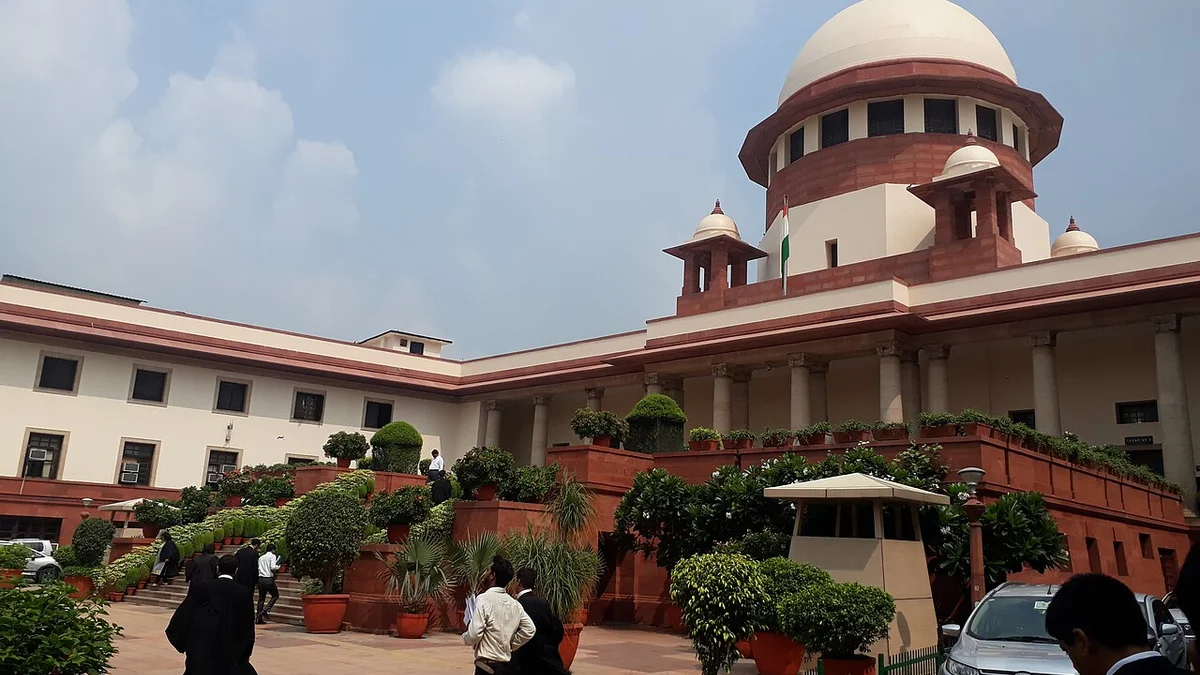
Despite clear directives from the Supreme Court regarding safety measures and maintaining public movement during recent protests against the Chief Election Commissioner, large-scale metro shutdowns and detentions were witnessed. Defying court orders in the name of law and order is not a new trend, raising the critical question of whether the fear of contempt has been reduced to mere paperwork.
When the protest call was given in Delhi, extraordinary restrictions were imposed. The matter reached the Supreme Court, which firmly stated that "a sledgehammer cannot be used to kill a fly." The court explicitly instructed that metro stations should not be completely sealed and train movements must not be halted arbitrarily. However, the ground reality the very next day showed about 57 metro stations completely sealed and nearly 7,000 people detained.

The Gap Between Judicial Orders and Ground Reality
In the books of law, disregarding court orders is considered contempt of court, carrying strict penalties. However, when police and administrative machinery are involved, a massive disconnect appears between written orders and ground actions. The administration agrees to comply with orders before the court, but strategy changes completely on the ground.
When the apex court directed authorities to maintain partial operations and follow the 'principle of proportionality', assurances were given by the Solicitor General. Yet, the entire capital was cordoned off. This makes one wonder if the administration considers a contempt notice merely a formality.
Historical Perspective: From Babri to Recent Protests
Ignoring judicial orders is not a new phenomenon. History bears witness to several instances where direct Supreme Court orders were bypassed. Before the demolition of the Babri structure in 1992, assurances were given via affidavits, yet the events of December 6 unfolded contrary to promises. Similarly, in mining protests in Singrauli, environmental and citizen rights guidelines were repeatedly flouted under the guise of maintaining law and order.
Crisis of Institutional Credibility
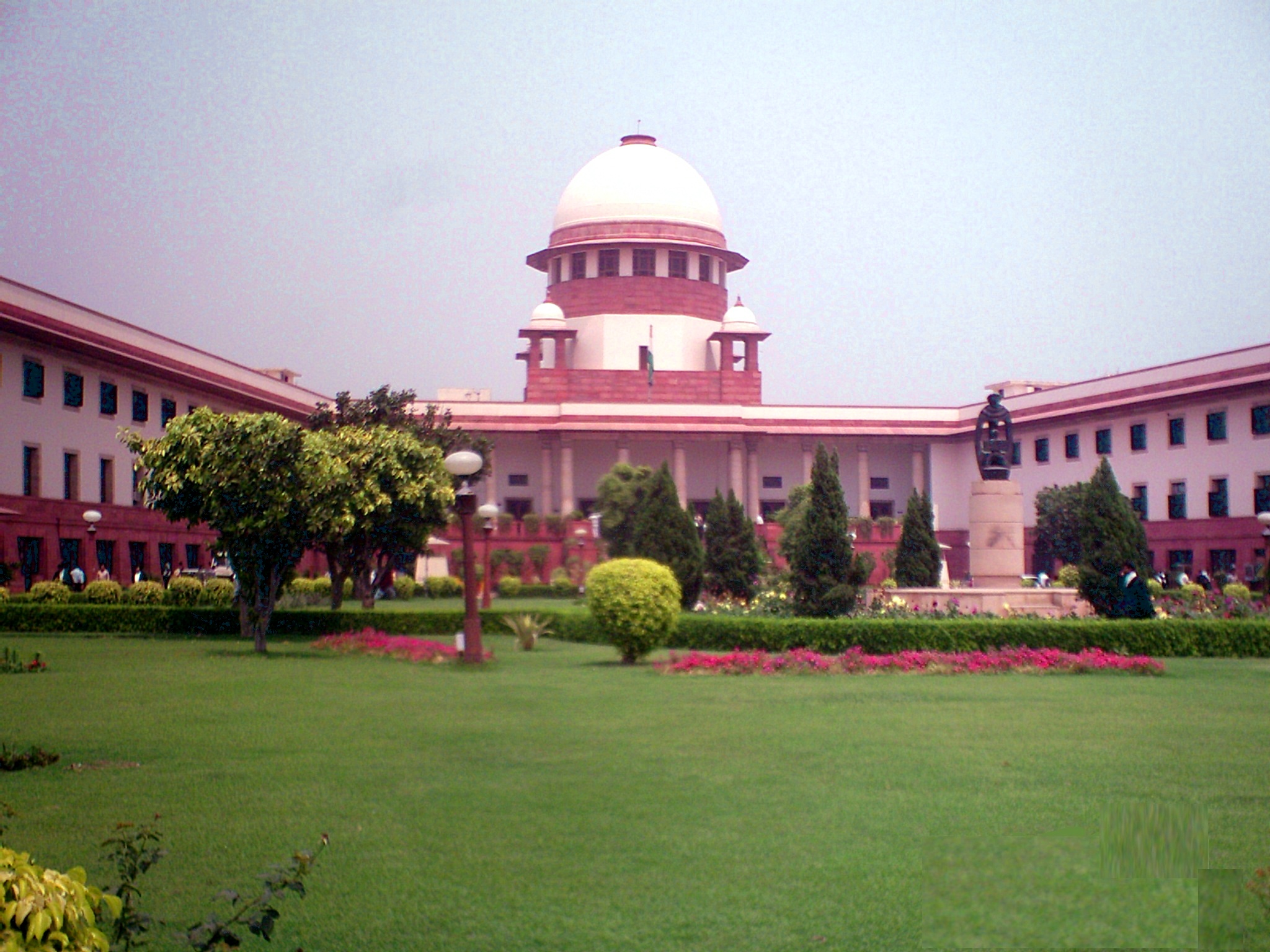
In any democracy, the foundation of the judiciary lies in the sanctity of its orders. If the executive treats the apex court's directives as routine paperwork to be ignored at will, it poses a severe threat to the constitutional framework. Without strict punitive actions against erring officials, the deterrent effect of contempt will completely vanish.
'The Freelance' does not independently verify the claims made in the viral videos discussed on social media platforms. The video remains a subject of widespread public discussion. Video Credit: Respective Social Media Handles / Creators.



National Desk, The Freelance
Verified Editorial DeskPolitics, Governance & Public Interest Reporting Team
The Freelance National Desk provides round-the-clock, verified, and in-depth analytical reporting on Indian politics, governance, policy decisions, parliamentary affairs, and public interest matters. We are committed to unbiased, factual journalism based on verified agencies, official statements, and on-the-ground correspondents.