
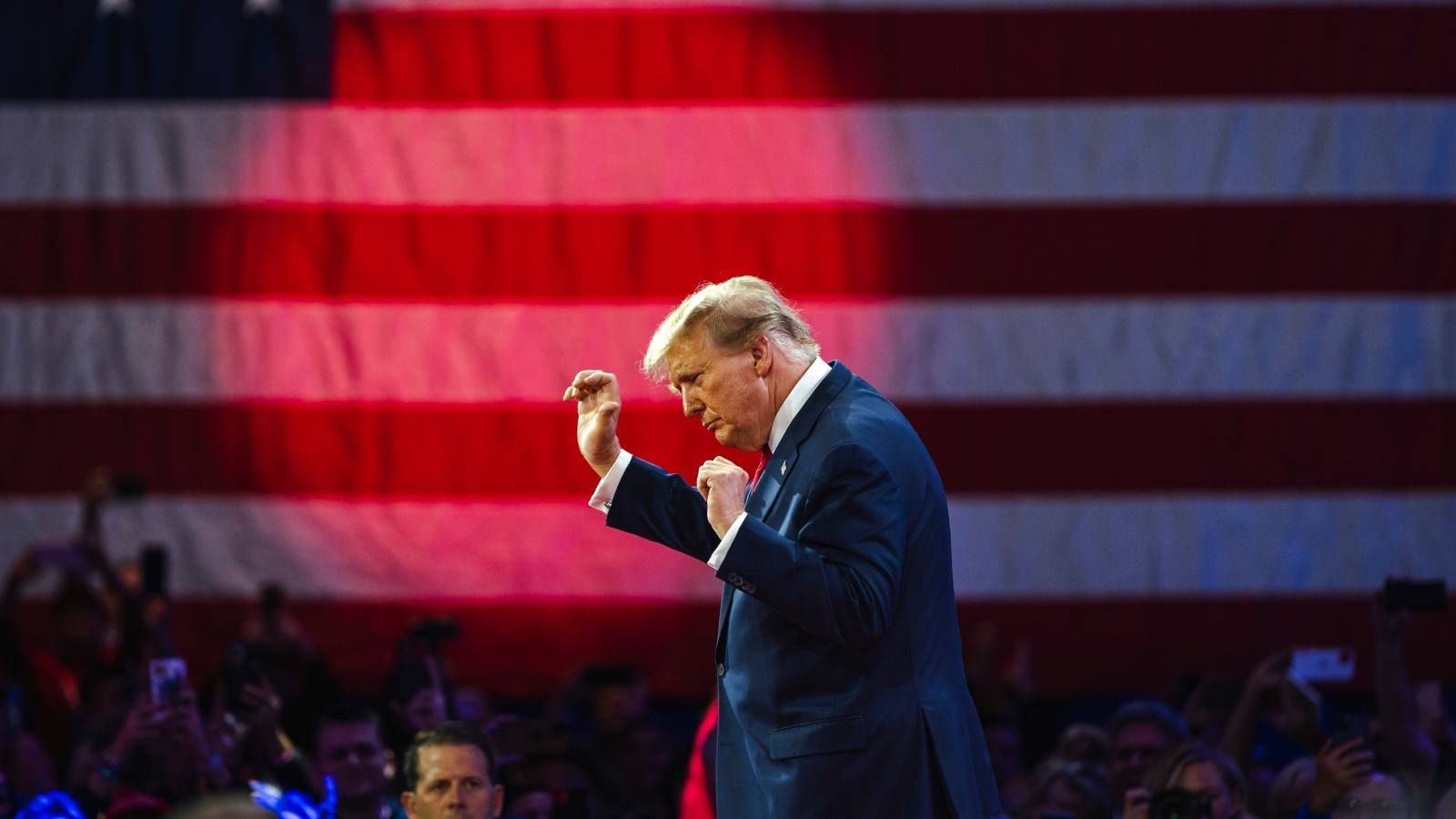
New Delhi/Washington: According to special ground and diplomatic analysis from 'The Freelance' input desk, turbulence has gripped American politics and West Asian diplomatic corridors. Recent statements by US President Donald Trump have sparked global debate. While he has made unexpected remarks regarding Iran's past situation and targeted the US media, a new financial masterplan regarding the future of Gaza and Palestinian funds is also coming to light. Our investigative team has tried to explore the interconnectedness of these statements, the media's role, and diplomatic maneuvers.
'Iran was doing very well': Trump's claims and Washington's dilemma
Donald Trump's statement that 'Iran was doing very well' and that the West Asian crisis will end soon deviates from traditional US foreign policy. Tensions between Iran and Washington have reached their peak in recent months. Recently, Trump claimed that Iran stayed the execution of eight women at his behest, though Tehran flatly rejected the claim. Additionally, Trump launched a scathing attack on domestic US media, accusing them of giving false hope to Iran and indirectly aiding the regime. Senior analysts believe this stance could be a strategic pressure tactic to prepare the ground for upcoming diplomatic negotiations.
Gaza Reconstruction Masterplan: US focus on Palestinian funds
Amidst the West Asian crisis, a new and aggressive economic strategy by the US regarding Gaza's reconstruction is emerging. According to reports, this masterplan focuses on funding Gaza's reconstruction not through external aid, but from Palestine's own funds and assets. The US has its eyes set on this economic blueprint worth approximately $5 billion. Human rights organizations and regional analysts argue that this plan could place an additional economic burden on the people of war-ravaged Gaza, while the US presents it as a pragmatic solution.
Diplomatic conflicts echoing on international platforms
While the US is redefining its economic and military priorities in West Asia, countries like India are articulating their diplomatic priorities on global platforms like the United Nations (UN). Recently at the UN, India delivered a stern message to Pakistan, making it clear that Jammu and Kashmir is an integral part of India, and protests in PoK (PoK Protest) demonstrate Islamabad's failure to ensure human rights and basic needs in occupied territories. In this phase of global diplomacy, the issues of West Asia and South Asia appear to run parallel.
Future impact: Will peace truly prevail in West Asia?
- Economic Pressure: The plan to use Palestinian funds for Gaza's reconstruction could escalate regional tensions.
- Iran-US Relations: Trump's contradictory statements (praise and sharp criticism) are impacting Tehran's strategic moves.
- Media and Public Opinion: The war of words between the US President and mainstream media is shaping public perception of diplomacy differently.
Ultimately, this investigation by 'The Freelance' shows that Donald Trump's statements are not mere rhetoric, but early indicators of major shifts set to reshape West Asian geopolitics in the days to come. The ground reality remains that the scars of war and diplomatic gambits will persist on the global stage for a long time.