
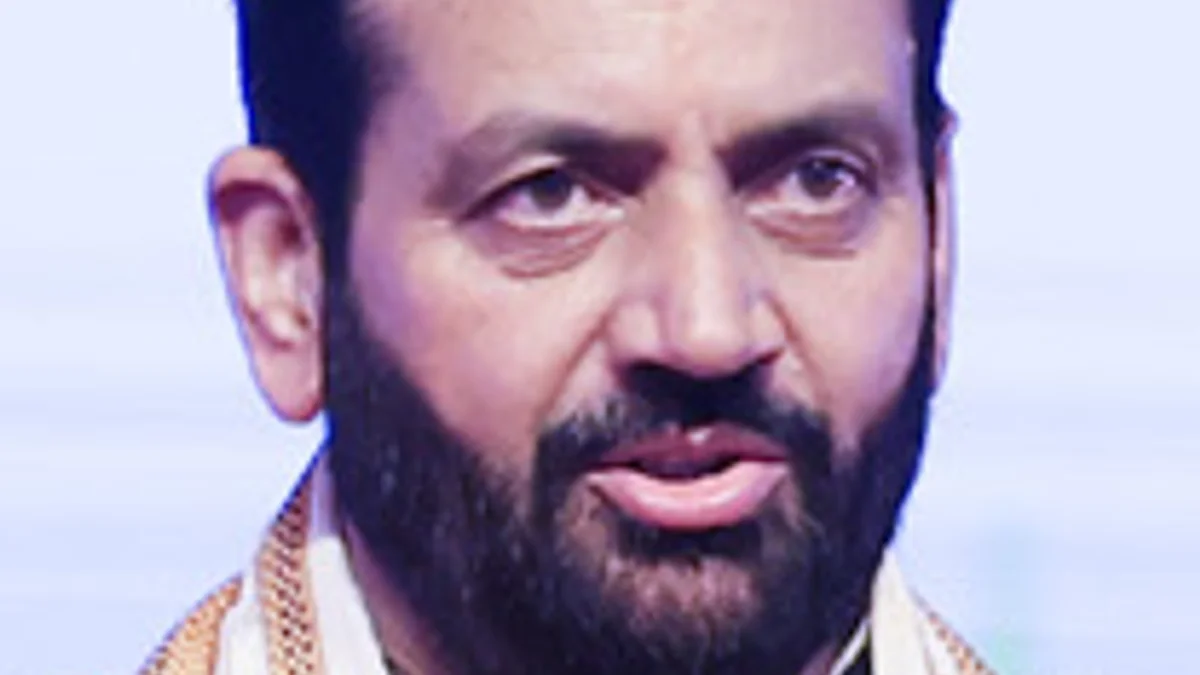
Political temperatures in Haryana soared during a recent media conclave where representatives of the Bharatiya Janata Party (BJP), the Congress, and the Aam Aadmi Party (AAP) locked horns over key developmental, administrative, and law-and-order issues concerning both Haryana and Punjab.
Clash Over Governance, Work Ethic and Drug Menace
Defending the ruling government, BJP national spokesperson Rajiv Joshi highlighted the state's progress and claimed that Chief Minister Nayab Singh Saini works up to 20 hours a day for the welfare of the people. He strongly criticized the AAP government in Punjab, alleging that the drug menace ('chitta') has ruined the state's administrative fabric and crippled economic growth.
On the other hand, Congress national spokesperson Alok Sharma targeted the incumbent government over rising crime rates, extortion calls, and what he termed as an emerging 'gangster raj' in Haryana. He also raised concerns regarding farmers' hardships, procurement delays, and minimum support price (MSP) implementation.
CAG Report and Financial Irregularities Highlighted by AAP
AAP spokesperson Nivan Sharma brought the Comptroller and Auditor General (CAG) report into focus, alleging severe financial discrepancies and corruption within the state administration. The heated debate showcased how opposition parties are gearing up to corner the ruling dispensation on multiple fronts, setting the stage for intense political friction.

Political leaders engage in a heated debate over development, law and order, and policy issues in Haryana. pic.twitter.com/example
— The Freelance (@TheFreelanceIN) Latest News
'The Freelance' does not independently verify the authenticity of the claims made in the viral social media discussions and video reports. Video courtesy: Respective social media handles and creators.




States & Regional Bureau, The Freelance
Verified Editorial DeskState Affairs & Grassroots Reporting Bureau
Delivering verified, on-the-ground reporting on state governance, regional development, grassroots public challenges, and local administrative reforms across India. We are committed to unbiased, factual journalism based on verified agencies, official statements, and on-the-ground correspondents.