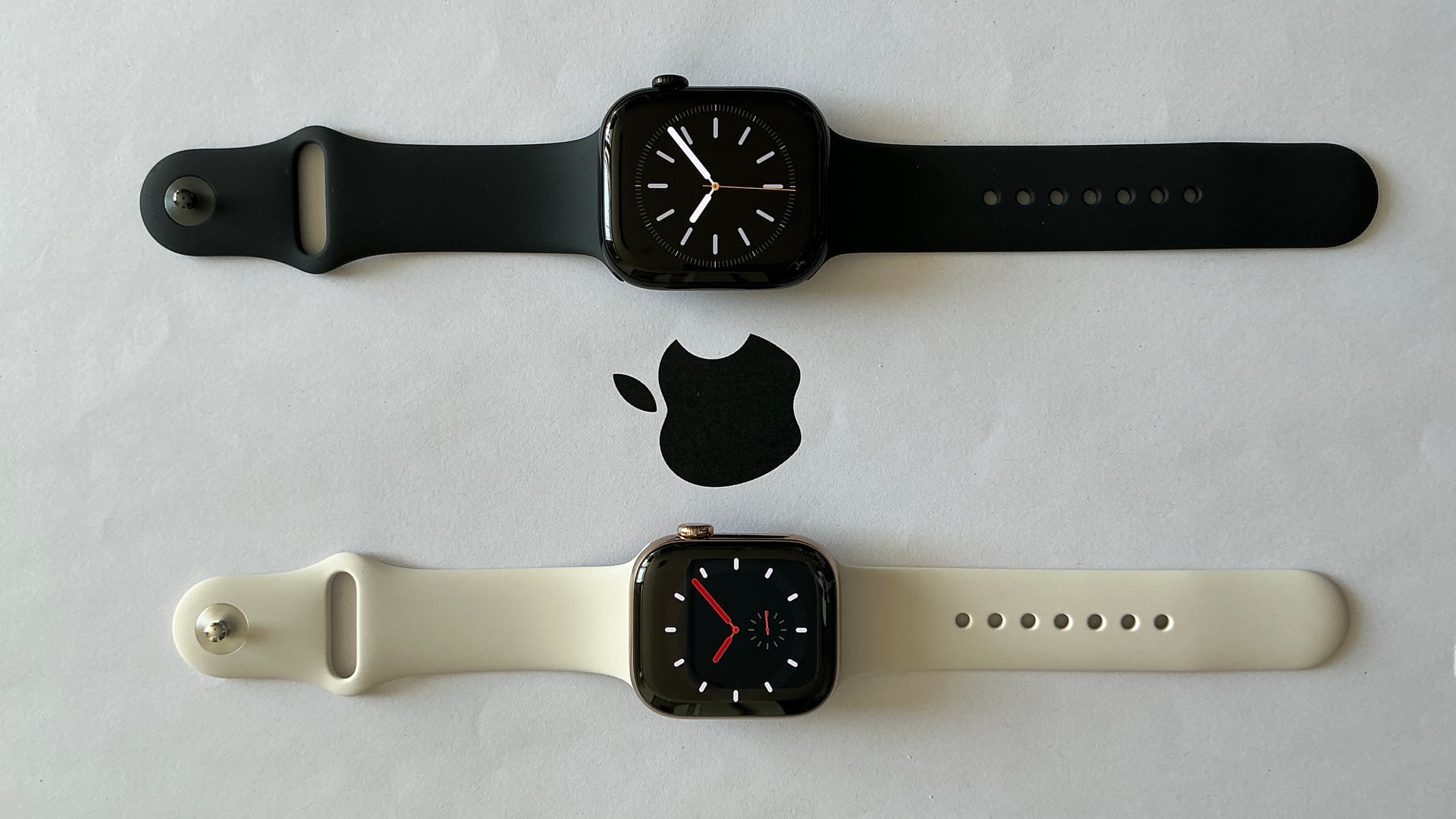
Special Ground Report from New Delhi by The Freelance. A new chapter has begun in India's rapidly evolving fintech ecosystem as Apple officially launched its payment service, Apple Pay, in the country. Backed initially by Axis Bank, the service currently supports Visa and Mastercard credit and debit cards issued by the bank.
Tap-to-Pay Technology vs UPI
Our ground investigation reveals that Apple Pay relies heavily on 'Tap-to-Pay' technology using tokenization. Unlike UPI-based apps like Google Pay and PhonePe which require PINs and QR codes, Apple Pay allows users to simply tap their iPhone or Apple Watch on POS terminals, authenticating payments instantly via Face ID or Touch ID.
Security Concerns: Is No-OTP Payment Safe?
The biggest debate sparked by this launch is the safety of transactions without One-Time Passwords (OTPs). Security experts emphasize that Apple's biometric Face ID protection is far superior and secure compared to traditional OTPs, while tokenization ensures actual card details are never shared with merchants.
Future Impact on Fintech Market
While UPI dominates India's mass market, Apple Pay is set to capture the premium and urban demographic, intensifying competition among existing players. The Freelance will continue to monitor how Indian consumers adapt to this cashless shift.