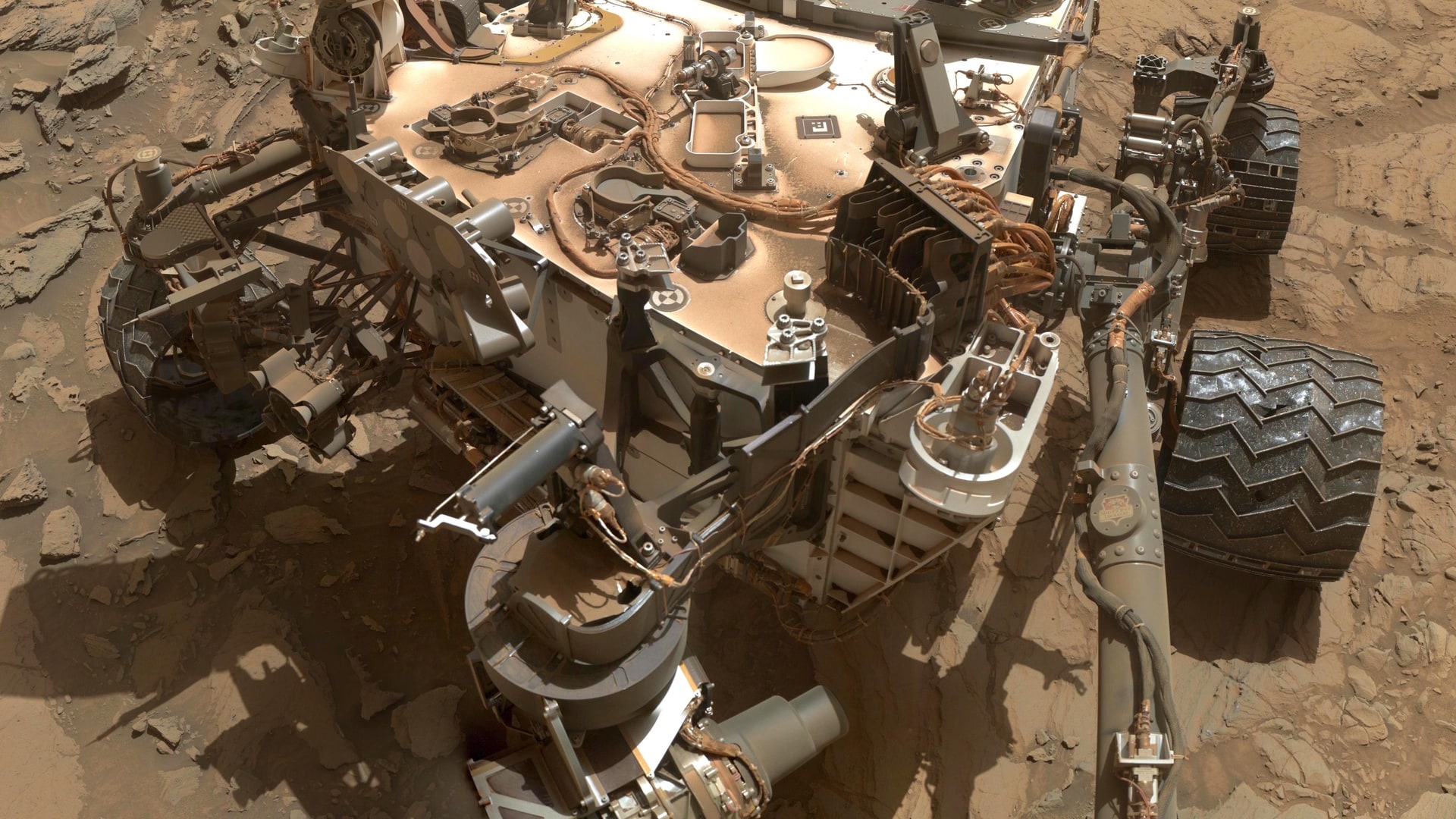
A Historic Milestone in Space Science: Curiosity Completes 5,000 Days on Mars
Humanity's curiosity to explore the cosmos has always driven groundbreaking space missions. Among the most successful of these is NASA's Curiosity rover, which has officially completed over 5,000 Martian days on the Red Planet. What began as a scheduled two-year mission in August 2012 has now blossomed into an extraordinary 14-year saga of scientific discovery, resilience, and technological triumph.
Landing softly inside the Gale Crater, Curiosity immediately began its quest to determine if Mars ever possessed environmental conditions able to support small life forms. Equipped with 17 advanced cameras, the robotic vehicle has captured breathtaking panoramas, rocky outcrops, and atmospheric phenomena, transmitting more than 780,000 raw and calibrated images back to Earth for scientific analysis.
Overcoming Martian Challenges and Traversing Complex Terrains
Operating on Mars is no small feat. The rover has had to endure severe dust storms, extreme temperature fluctuations, and treacherous, abrasive terrain. Despite these formidable hurdles, Curiosity has successfully climbed over 1,000 meters in elevation and traversed more than 38 kilometers across the Martian landscape. Each sol—a Martian day lasting approximately 24 hours and 39 minutes—has brought new geological insights, particularly regarding the presence of ancient lakes and flowing water on the planet.
"Curiosity has given us insights beyond our initial expectations. It serves as our robotic envoy on Mars, unlocking the deep history of our solar system with every photograph and soil sample analyzed." — Dr. Ashwin Vasavada, Curiosity Project Scientist, NASA
As the rover continues its ascent up Mount Sharp, its legacy is already secure. The vast amount of data gathered by Curiosity continues to shape future planetary exploration strategies and deepens our understanding of planetary evolution across the solar system.