
The Evolution of Smartwatches and Health Tracking
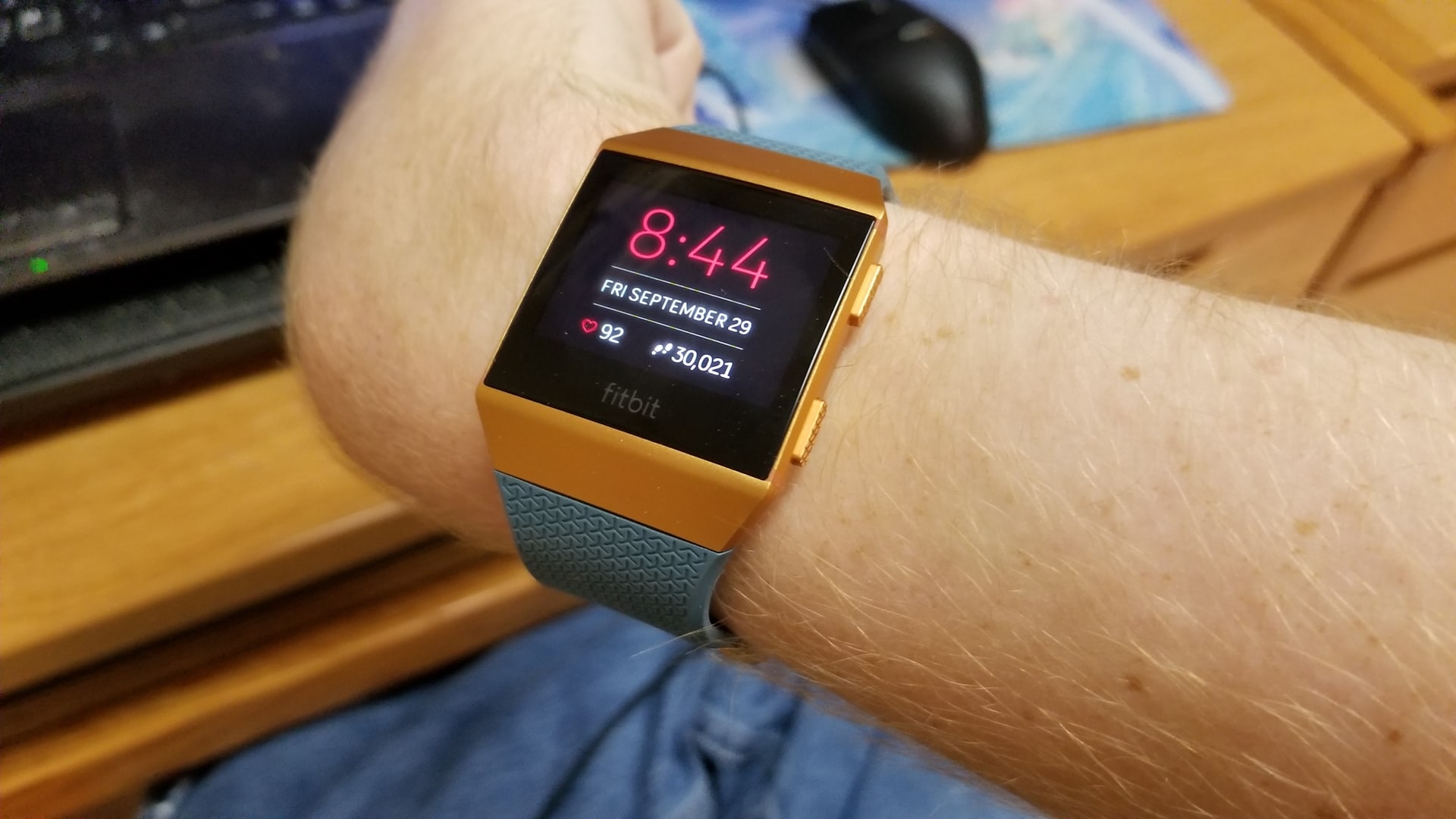
In today's fast-paced digital era, wristwatches have evolved far beyond simply telling time. Modern smartwatches function as personal fitness coaches and health monitors, tracking everything from daily step counts and active calories to continuous heart rate variations. As health awareness grows, the popularity of fitness wearables has surged tremendously, becoming an indispensable part of daily routines for millions of people worldwide.
These advanced wearable devices provide valuable insights into physical activity, helping users monitor their exercise intensity and overall physical well-being. However, a crucial question arises among users: Can a consumer gadget worn on the wrist truly replace a medical professional or a clinical diagnostic tool?
How Fitness Wearables Help During Exercise
For fitness enthusiasts and regular gym-goers, smartwatches serve as excellent companions during cardiovascular workouts. By tracking heart rate data in real time, these devices help individuals understand how their bodies respond to physical exertion. They can instantly alert users if their workout intensity crosses safe thresholds, preventing overexertion and potential exhaustion.
Additionally, wearables record workout duration, activity levels, and estimated calorie expenditure. These metrics empower users to design more effective fitness regimes and maintain a balanced approach toward their physical health goals.
Understanding the Limitations of Smartwatch ECG Features
Recent technological advancements have introduced sophisticated cardiac features into mainstream smartwatches, enabling basic ECG recordings and irregular heart rhythm detection. Some devices can even issue alerts for potential atrial fibrillation, offering users an early warning system for cardiovascular irregularities.
While this technological leap is impressive, medical professionals emphasize that these consumer-grade readings are only preliminary indicators. They do not constitute a definitive medical diagnosis and should never be treated as absolute medical proof of any health condition.
Why Smartwatches Can Never Replace a Doctor
Cardiologists and healthcare experts maintain that smartwatches lack the comprehensive diagnostic capabilities required for accurate medical evaluations. Sensors and algorithms operate within limited parameters and cannot account for a patient's complete medical history, lifestyle factors, or underlying clinical conditions.
"Smartwatches are fantastic tools for raising health awareness and providing early lifestyle indicators, but they can never substitute professional medical diagnosis and expert clinical advice." — Dr. Alok Sharma, Senior Cardiologist
If an individual experiences symptoms like chest pain, shortness of breath, or dizziness, relying solely on a smartwatch reading is dangerous. Immediate consultation with a certified medical practitioner and standard clinical diagnostic tests remain the only safe course of action.
Conclusion
Smartwatches are remarkable technological tools that encourage proactive health management and fitness tracking. However, they must be used as supplementary aids rather than primary medical diagnostic devices. When it comes to heart health and medical concerns, professional medical guidance is always irreplaceable.


