The software landscape is facing a profound ideological and commercial challenge as an ambitious artificial intelligence developer boldly proclaims that 'software is over.' Alongside this provocative manifesto, the startup has released a suite of high-performance, open-source AI clones directly targeting established creative suites, most notably industry giant Adobe.
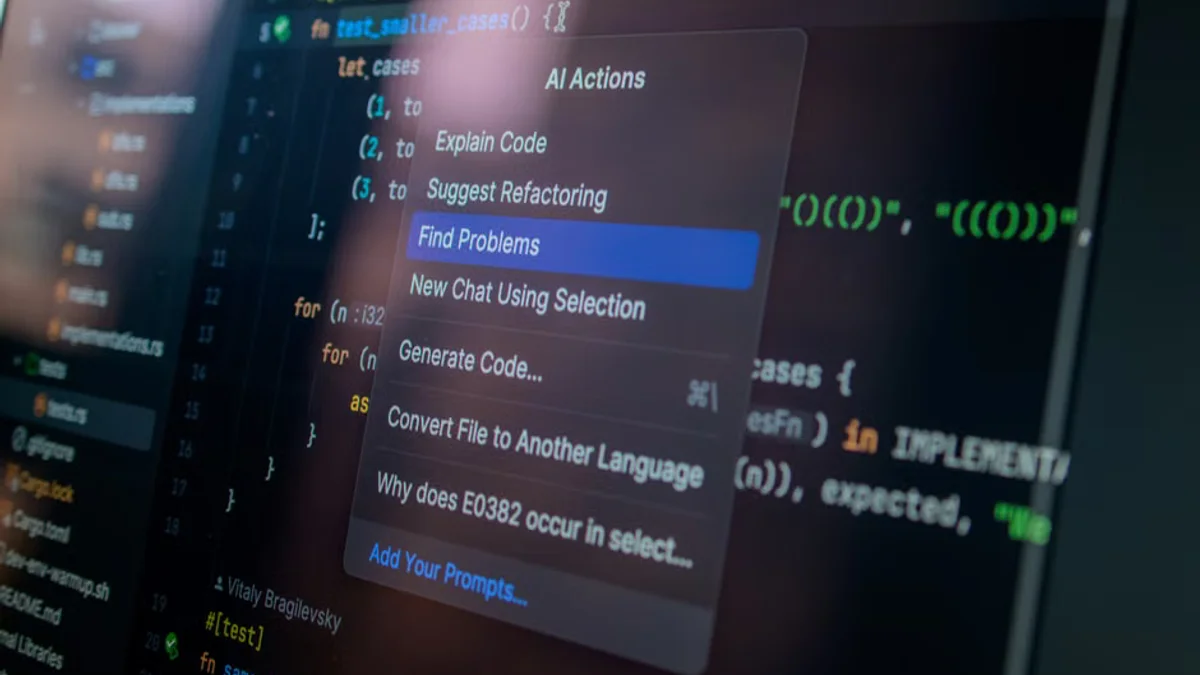
By leveraging generative diffusion models and real-time neural rendering, these open-source tools promise to execute complex graphic design, vector editing, and video post-production tasks through simple natural language prompts or instantaneous multimodal interactions. The developer argues that traditional software interfaces—characterized by cluttered menus, steep learning curves, and rigid toolsets—are relics of the pre-AI computing era. In their vision, users will no longer manipulate pixels manually; instead, they will act as directors guiding intelligent generative models.
Adobe and other legacy software conglomerates have faced mounting scrutiny over subscription-only pricing models, creating a fertile breeding ground for open-source insurgencies. Industry analysts note that while these early open-source clones may lack the exhaustive feature sets of professional-grade applications, their rapid iteration speed and zero-cost accessibility pose a formidable long-term threat to traditional software revenue streams.
Key Highlights
- AI startup launches open-source alternatives to flagship Adobe creative tools.
- Developer argues generative models render traditional software interfaces obsolete.
- Move capitalizes on growing user backlash against mandatory software subscriptions.
As the open-source community rallies behind these neural alternatives, legacy software giants must accelerate their own AI integrations to defend their market dominance.