
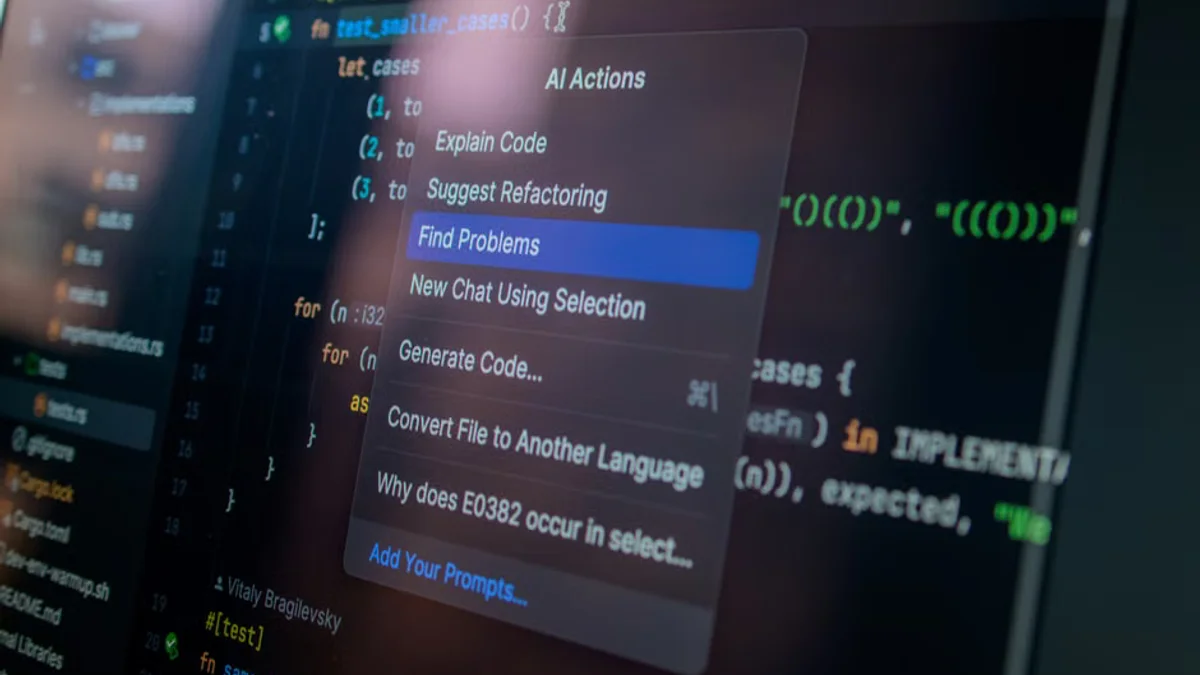
In an effort to combat the rising tide of unverified synthetic media and automated text, Google has rolled out a dedicated AI detection platform accessible to the broader public. The tool aims to provide reliable indicators regarding whether specific content was crafted by human authors or generated by artificial intelligence algorithms.
The launch comes at a critical juncture for digital publishing, academic institutions, and media organizations grappling with authenticity concerns. As generative models become increasingly sophisticated—producing hyper-realistic imagery, audio, and prose—distinguishing between human and machine output has emerged as a paramount challenge for internet governance and digital literacy.

Industry experts have praised the initiative for promoting transparency, though they also caution that AI detection technologies remain an evolving science subject to false positives and ongoing evasion tactics by sophisticated bad actors. Google has emphasized that the portal will be continuously updated to adapt to the rapid iterations of foundational machine learning models.
Key Highlights
- Google launches a public-facing web platform aimed at detecting AI-generated content.
- The tool addresses growing concerns over authenticity in digital publishing and education.
- Experts highlight both the utility and the ongoing technical challenges inherent in AI detection.
As this technology permeates daily digital interactions, platforms like Google's new detection portal will play a pivotal role in shaping trust and accountability across the global internet ecosystem.