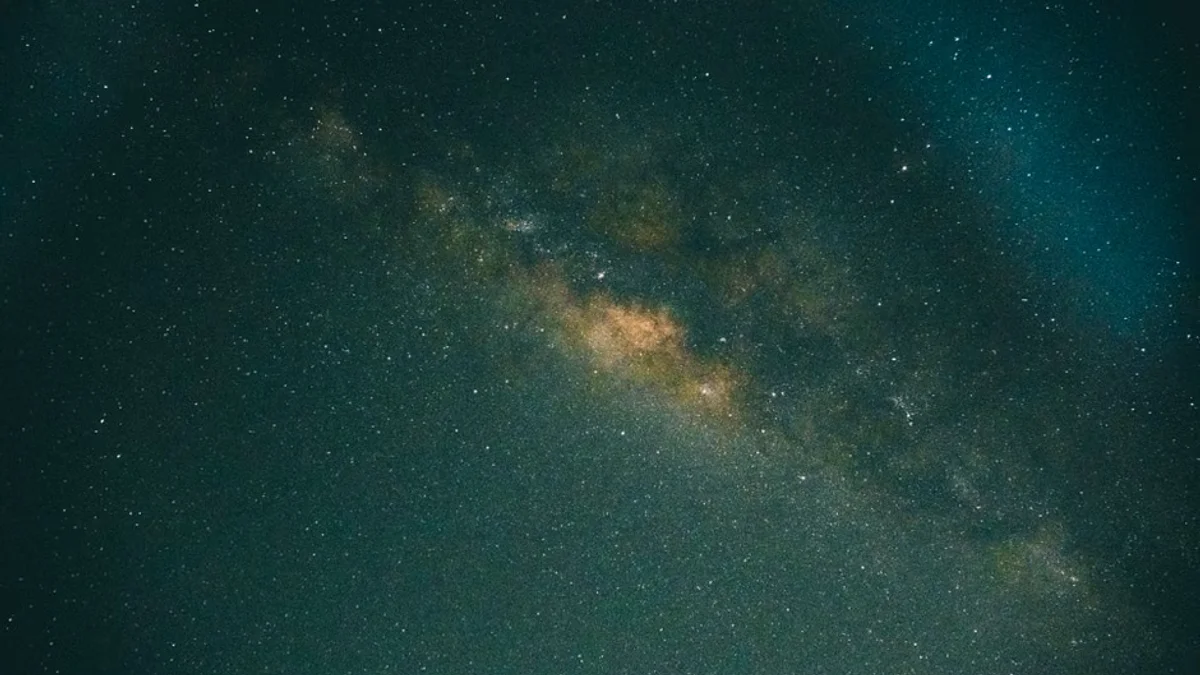
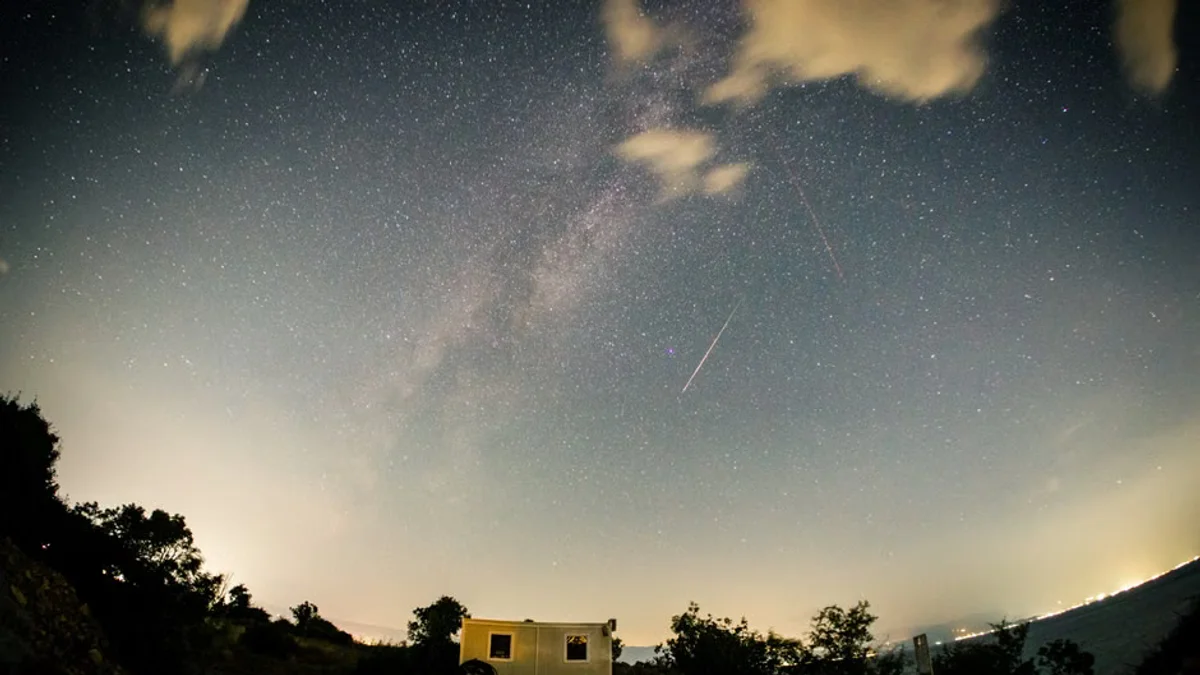
Night skies across Canada provided an awe-inspiring backdrop as the annual Draconid meteor shower reached its peak activity window. Astronomy enthusiasts and casual skywatchers alike ventured outdoors to catch a glimpse of the shooting stars streaking across the autumn firmament.
Unlike many meteor showers that require late-night or pre-dawn vigils, the Draconids are unique because they are best viewed during the early evening hours just after dusk. Originating from debris left behind by comet 21P/Giacobini-Zinner, the shower dazzles observers when Earth passes through the dense particle trail.
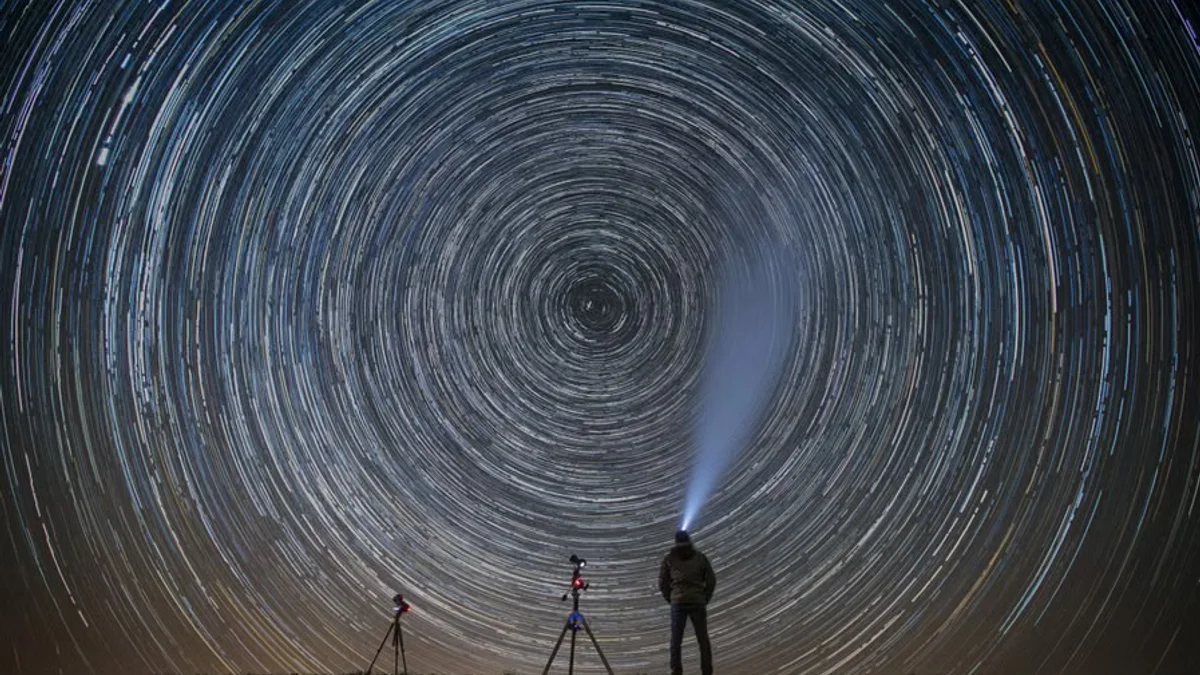
Stargazing clubs and planetariums across the country reported high turnout for public viewing events, though optimal visibility required escaping urban light pollution. Astrophotographers captured stunning long-exposure images of glowing meteors cutting through constellations.
Space agencies and amateur astronomers remind the public that celestial calendar events provide accessible gateways into scientific curiosity and public engagement with astronomy.
Key Highlights
- Annual Draconid meteor shower peaks across North American skies.
- Unique evening viewing window makes the shower popular among casual stargazers.
- Comet 21P/Giacobini-Zinner identified as the source of the cosmic debris trail.
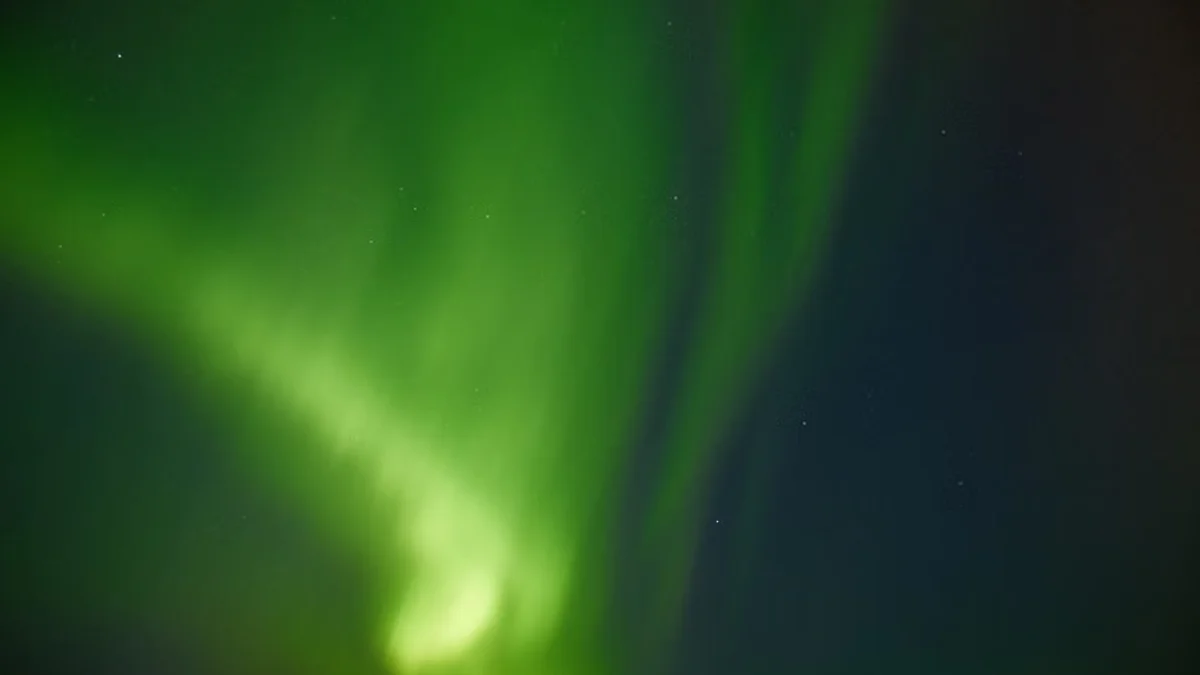
As the cosmic dust trail moves past Earth, astronomy enthusiasts now turn their attention toward the upcoming Orionid meteor showers later this month.