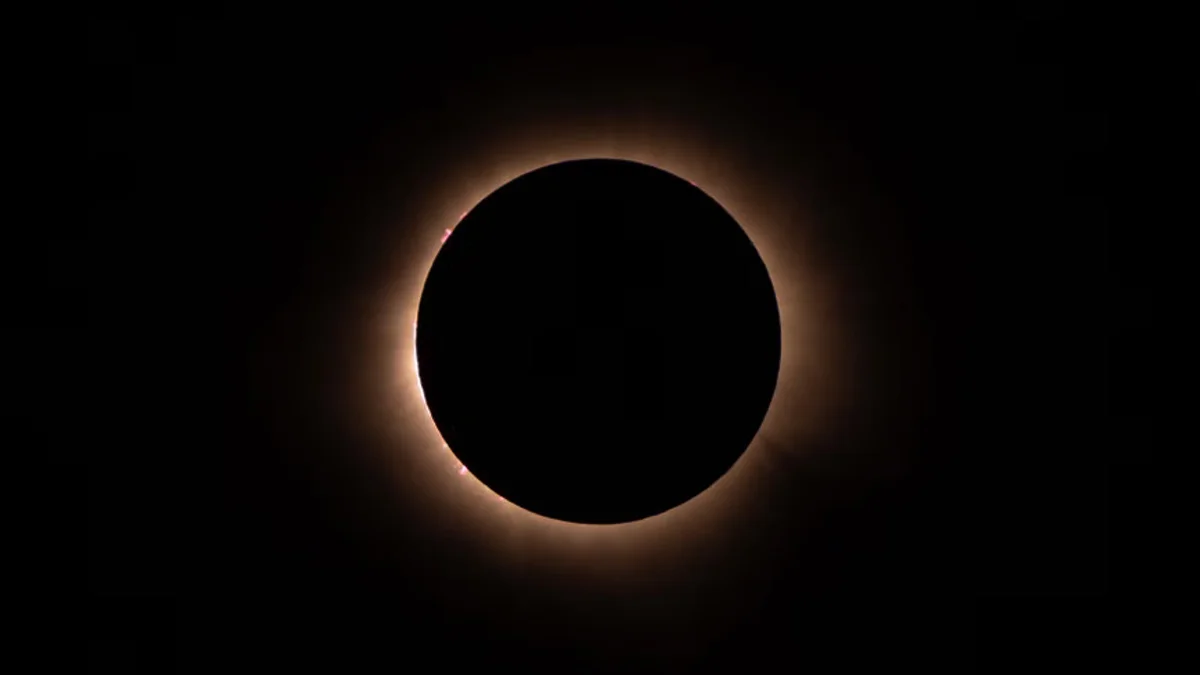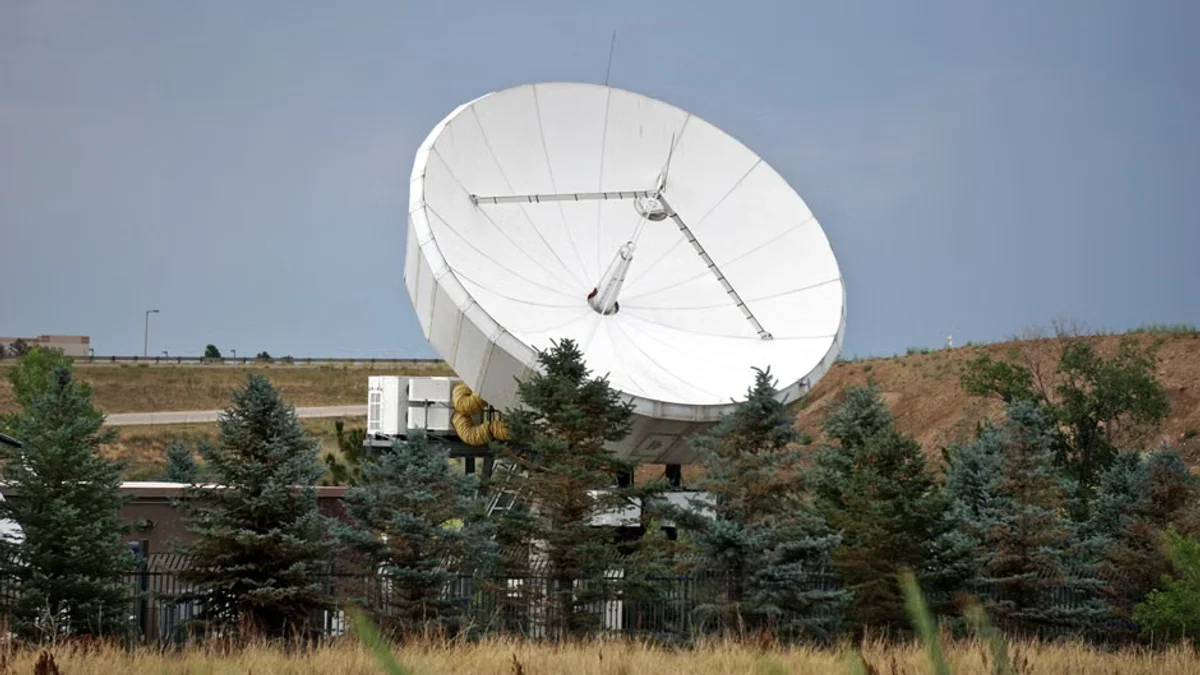
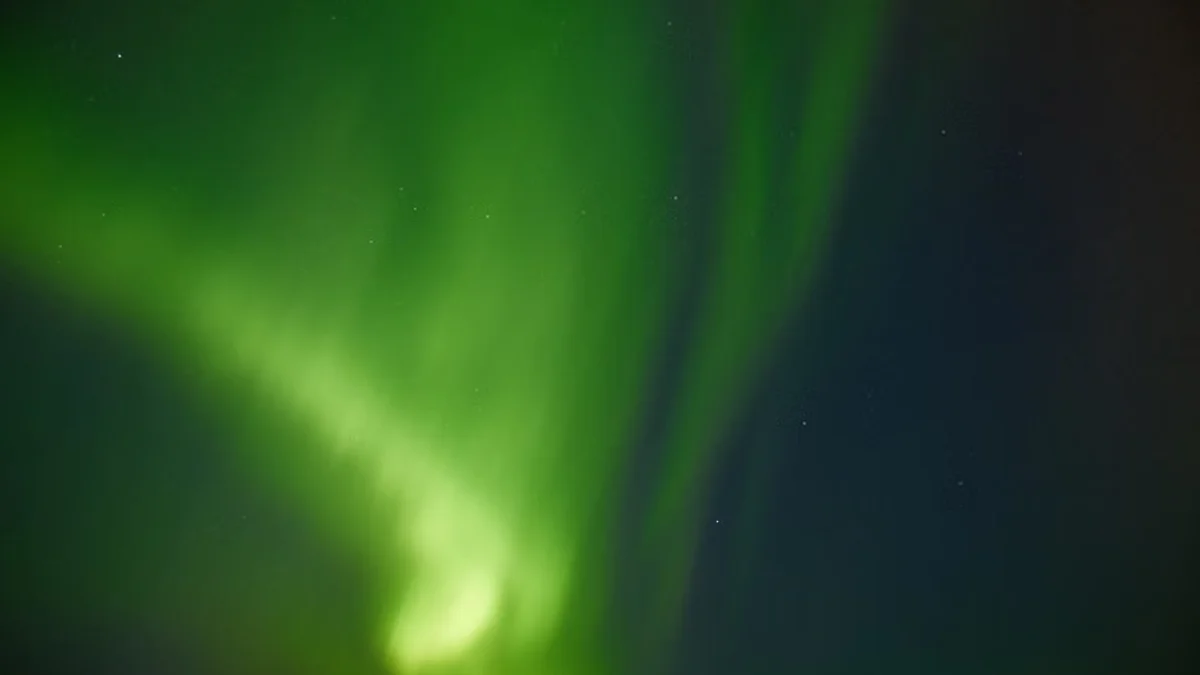
Astronomers and space weather agencies worldwide are closely monitoring a significant solar flare event that has sent powerful geomagnetic waves toward Earth. The eruption, captured by solar observatory satellites, has generated brilliant auroral displays across northern latitudes while putting power grids and satellite operators on heightened alert.
Experts note that while the current geomagnetic storm falls within manageable thresholds for modern engineered systems, it serves as a stark reminder of our vulnerability to space weather. Power transmission companies and telecommunication providers in North America and Europe have executed standard mitigation protocols to prevent voltage irregularities.
The spectacular northern lights resulting from the event have captivated millions, turning night skies into vibrant canvases of green, pink, and violet. However, beneath the aesthetic appeal lies a complex scientific undertaking aimed at protecting orbital infrastructure worth billions of dollars.
Key Highlights
- Powerful solar eruption prompts international space weather monitoring agencies to issue advisories.
- Widespread and vivid aurora borealis sightings reported across high-latitude regions.
- Critical infrastructure operators successfully maintain grid stability amid geomagnetic fluctuations.
As the sun approaches the peak of its current activity cycle, scientists anticipate further solar events, emphasizing the growing importance of advanced forecasting and space weather preparedness.