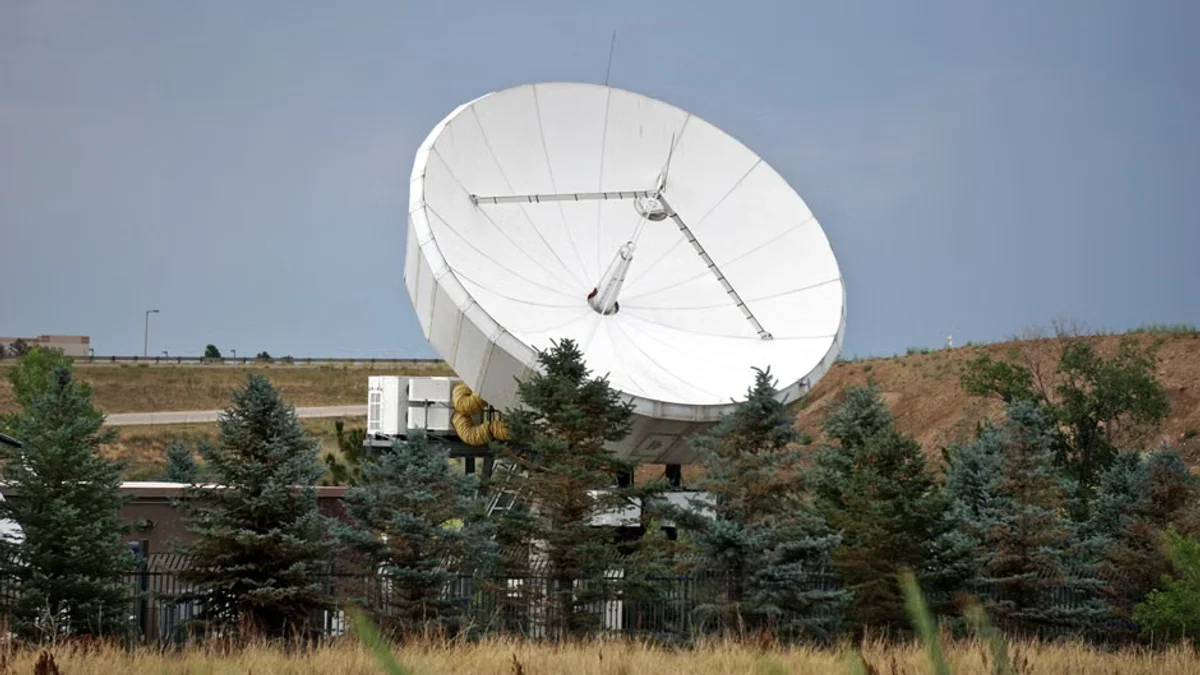
The National Oceanic and Atmospheric Administration (NOAA) has captured widespread international attention following the release of critical updates regarding solar and atmospheric conditions. As technological dependency on orbiting satellite constellations reaches unprecedented heights, NOAA's real-time monitoring of space weather has become a vital safeguard for global communications, power grids, and aviation routes.
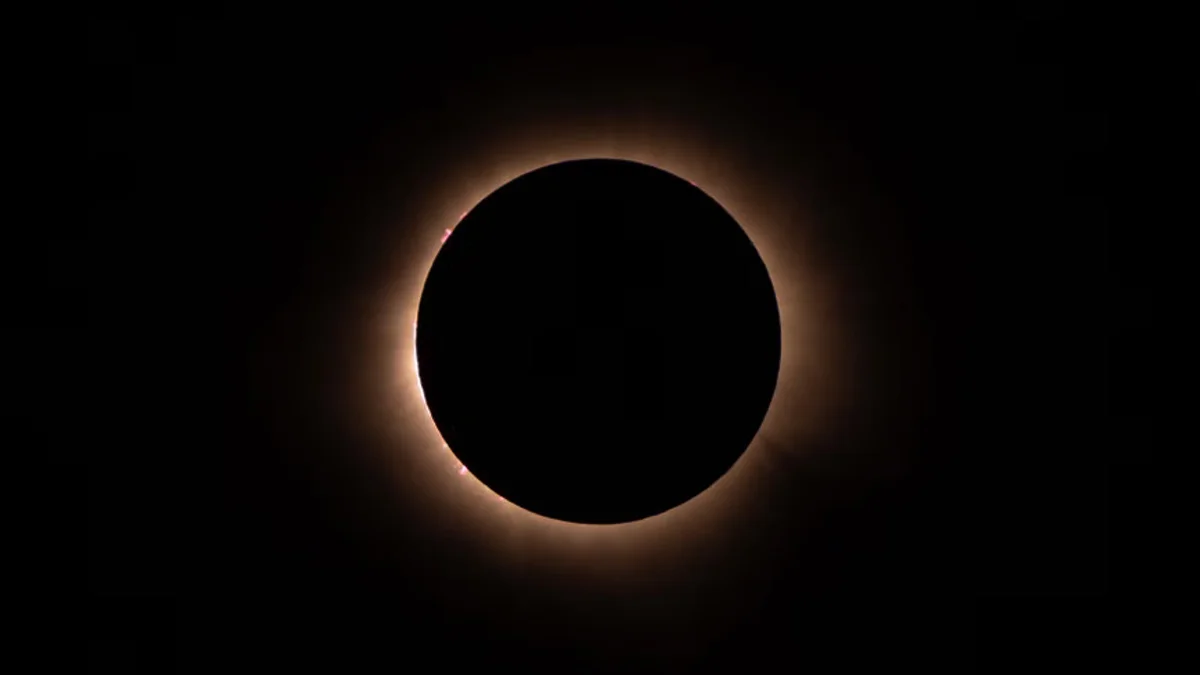
Recent solar flare activity detected by NOAA's advanced instrumentation has prompted space weather forecasters to issue heightened alerts. These phenomena, while often producing spectacular auroral displays visible at lower latitudes than usual, pose genuine operational challenges to orbital assets, high-frequency radio communications, and precision navigation systems.
In an official briefing, senior atmospheric scientists emphasized the necessity of robust infrastructure hardening against space weather anomalies. 'As our society becomes increasingly interconnected and dependent on precision satellite timing and communication, understanding and forecasting solar activity is no longer just an academic exercise—it is a critical national security and economic imperative,' noted lead forecaster Dr. Elena Vance.
Key Highlights
- NOAA issues updated space weather advisories concerning active solar flare phenomena.
- Global telecommunications and satellite operators implement precautionary mitigation protocols.
- Enhanced monitoring underscores humanity's growing reliance on resilient space infrastructure.
As space exploration and commercial satellite deployment accelerate globally, NOAA's continuous observation remains foundational to mitigating disruptions in our modern technological ecosystem.