Silicon Valley and the global PC gaming community have been thrown into a state of speculation following NVIDIA's sudden removal of its flagship GeForce RTX 5090 graphics card listings from its primary online marketplace. The abrupt disappearance has ignited a flurry of rumors across technology forums regarding potential hardware revisions, supply chain bottlenecks, or a quiet discontinuation of the consumer-tier powerhouse.
Industry analysts observing the semiconductor sector suggest that the move may reflect NVIDIA's intense balancing act between supplying high-end gaming hardware and fulfilling lucrative enterprise AI infrastructure orders. With global demand for advanced tensor-core chips remaining at an all-time high, manufacturing allocation heavily favors server-grade processors like the H100 and upcoming Blackwell architecture over consumer graphics cards.

Retail partners and distributors have reported unprecedented volatility in pre-order fulfillment schedules, with prices on secondary markets surging in response to perceived scarcity. NVIDIA representatives have yet to issue a comprehensive clarifying statement, leaving consumers and hardware reviewers scrambling for official guidance.
The situation highlights the growing tension within the semiconductor market, where consumer electronics often take a backseat to enterprise-scale artificial intelligence investments. Tech enthusiasts await official word to determine whether the RTX 5090 will return to shelves or if a revised iteration is on the horizon.
Key Highlights
- NVIDIA removes RTX 5090 listings from its official web marketplace.
- Rumors mount regarding discontinuation or major hardware revisions.
- Enterprise AI chip demand continues to squeeze consumer supply chains.
- Secondary market prices surge amid anticipated hardware scarcity.
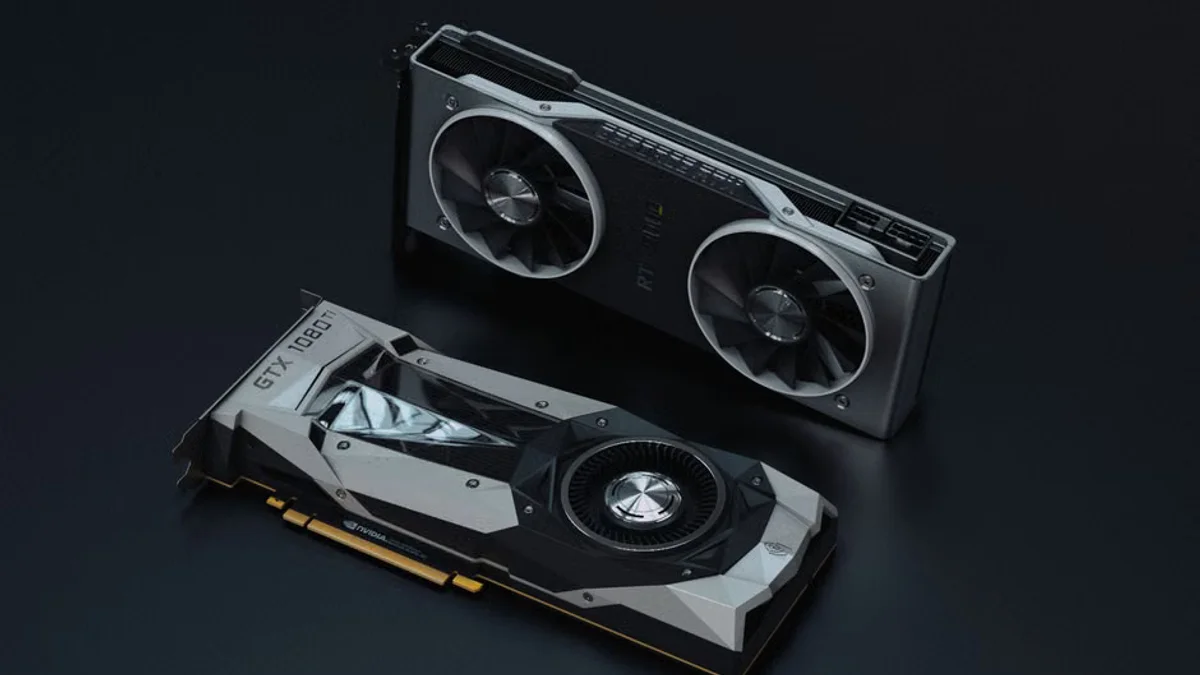
As semiconductor fabrication capacity remains constrained, NVIDIA's strategic choices regarding high-end silicon allocation will heavily influence the trajectory of enthusiast PC hardware markets.