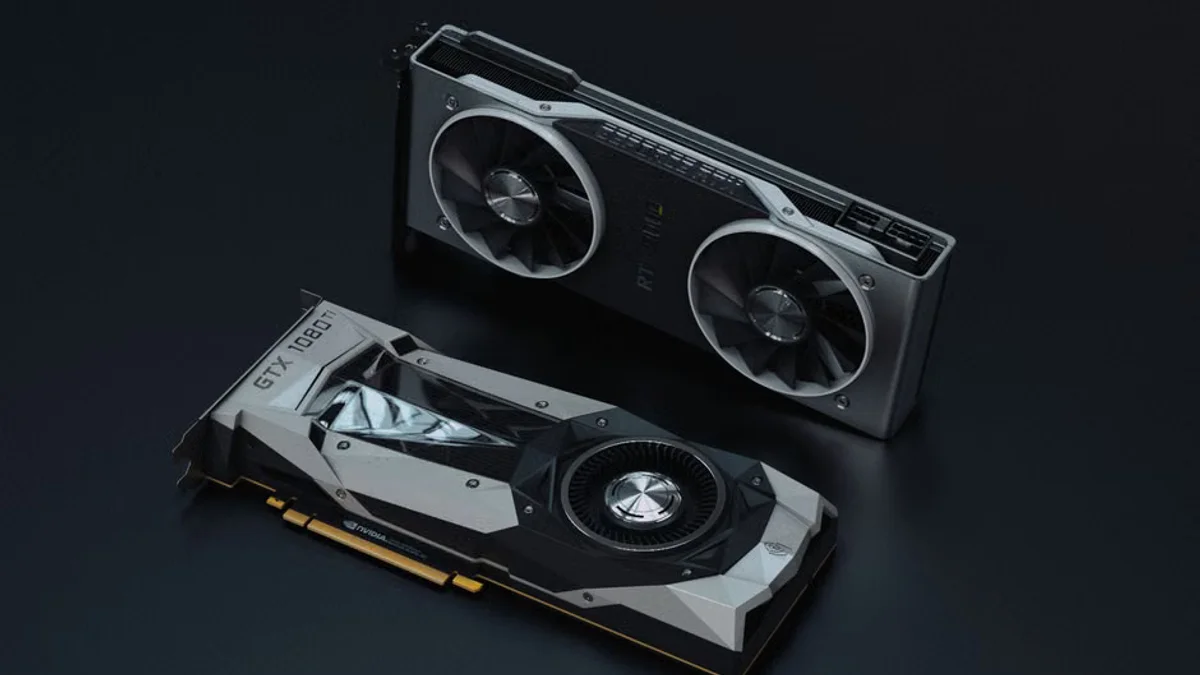
Nvidia has once again captured the attention of the tech industry with the introduction of its RTX Spark PC architecture, a development analysts believe could permanently alter the design and performance standards of modern laptops. By combining high-efficiency graphical processing units with advanced artificial intelligence acceleration directly on the motherboard, the hardware aims to deliver desktop-grade performance within ultra-portable form factors.
Industry experts emphasize that the shift is not merely incremental; it represents a fundamental rethinking of how everyday computing devices handle demanding workloads, from real-time ray tracing in gaming to complex machine learning tasks and local generative AI applications. Manufacturers are currently racing to integrate the new architecture into upcoming product lineups, signaling a broader industry pivot toward AI-native personal computers.
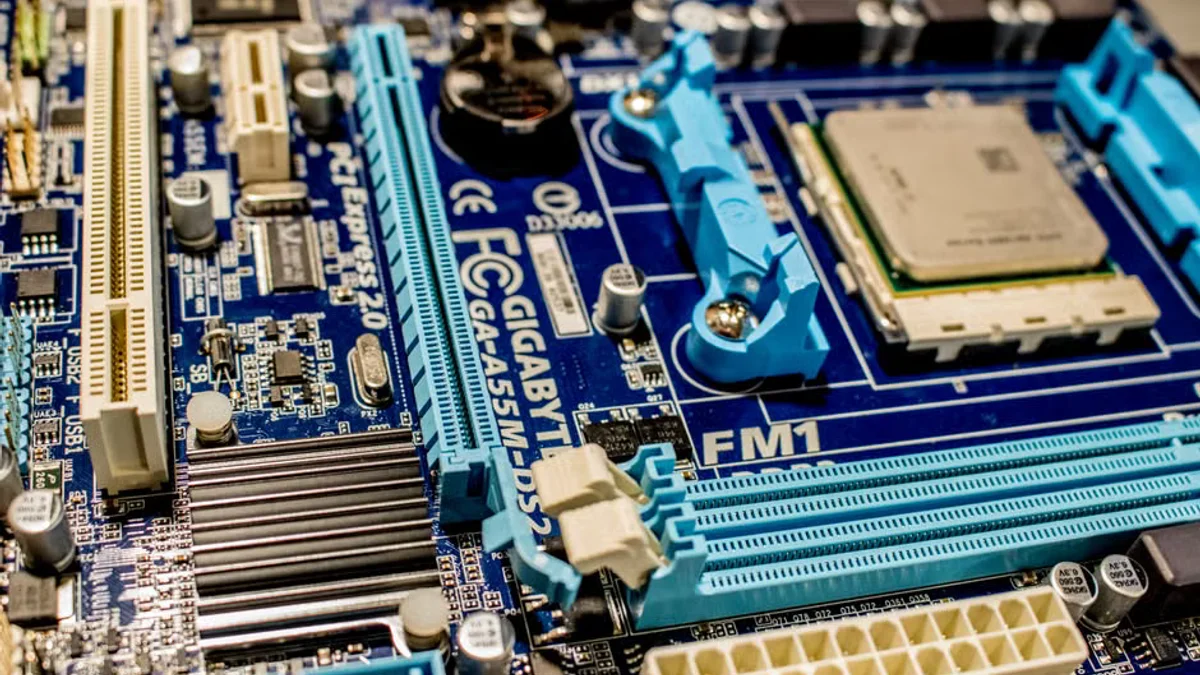
As consumers increasingly demand devices capable of running sophisticated AI models locally without relying entirely on cloud infrastructure, innovations like RTX Spark provide a compelling solution. The technological leap is expected to intensify competition among semiconductor giants and PC makers alike, driving rapid advancements throughout the consumer electronics sector.
Key Highlights
- RTX Spark architecture brings desktop-grade graphics and AI to laptops.
- Focus on local execution of generative AI workloads without heavy cloud dependency.
- Intensified competition among major semiconductor and hardware manufacturers.

This hardware evolution marks a significant milestone in mobile computing, bridging the gap between portability and high-performance workstation capabilities.