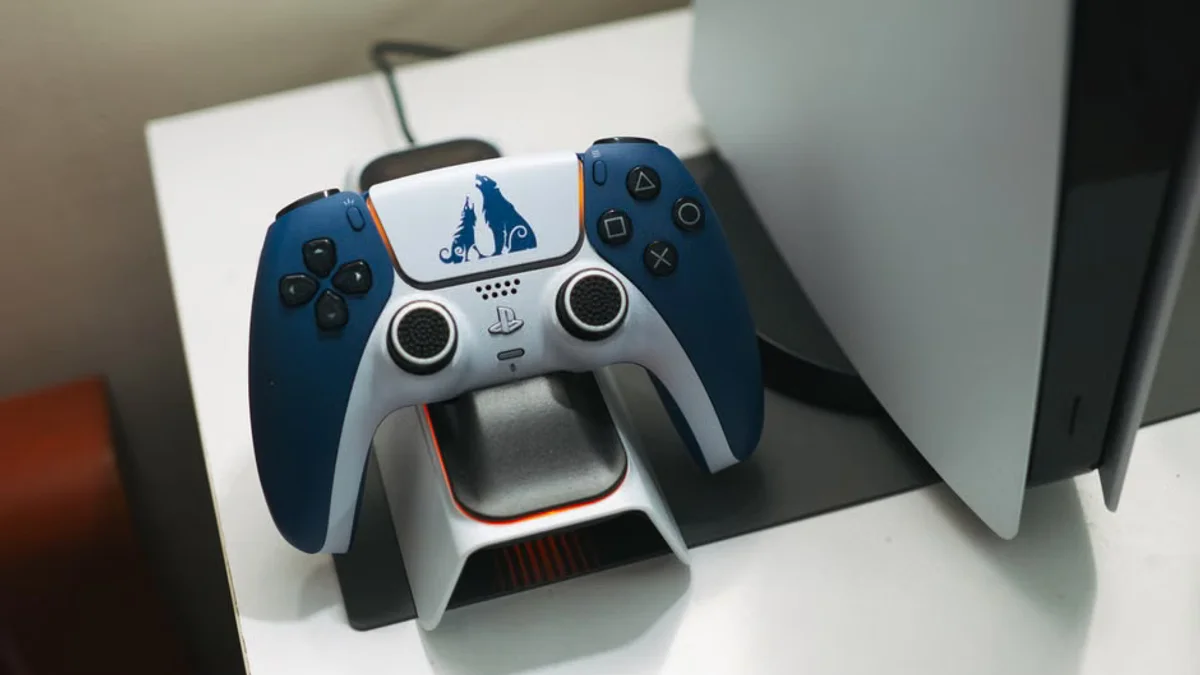
LOS ANGELES — As the consumer technology landscape continues to navigate post-pandemic economic realities, hardware pricing remains a critical metric for gamers worldwide. A comprehensive market review comparing the cost of Sony’s PlayStation 5 at its late-2020 debut to current 2026 market pricing reveals fascinating insights into inflation, supply chain maturation, and hardware iteration strategies.
When Sony originally launched the PS5 in November 2020, the gaming industry was crippled by global semiconductor shortages, scalper networks, and unprecedented logistics bottlenecks. Despite standard launch pricing, acquiring a console at retail MSRP proved nearly impossible for millions of consumers during the initial years of the generation.
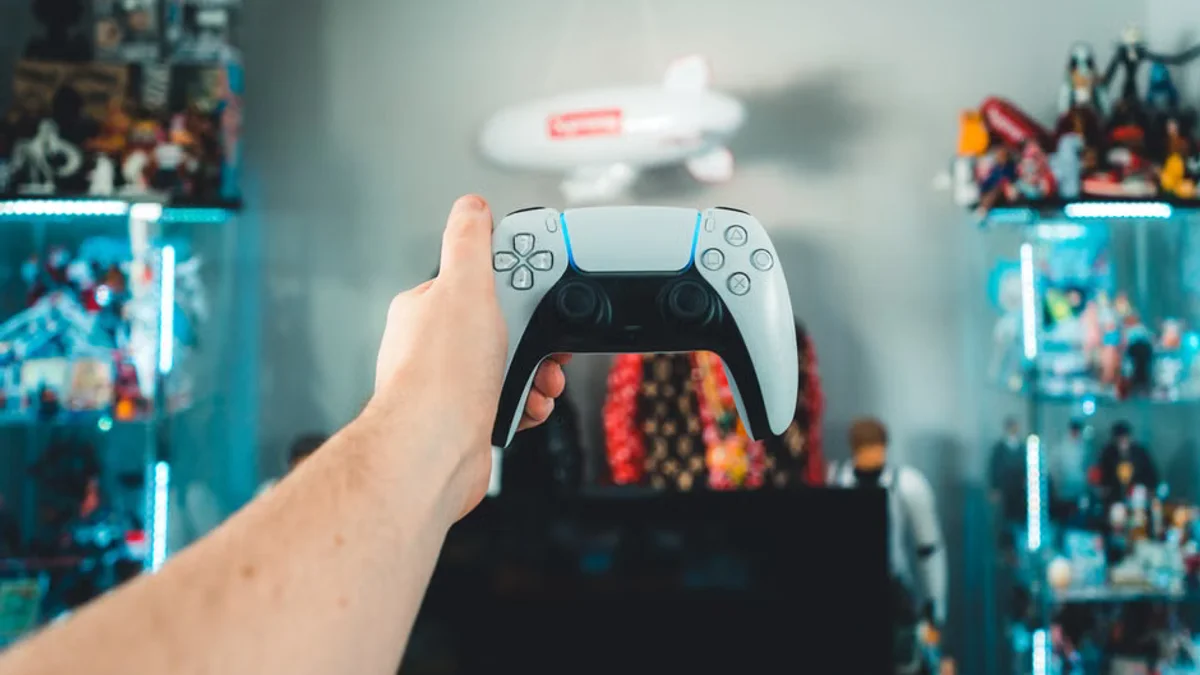
Fast-forward to 2026, subsequent hardware revisions—including slimmer chassis designs and modular disc drives—alongside persistent global inflation have altered the financial equation for prospective buyers. Industry analysts point out that while historical electronics typically depreciate rapidly over a multi-year lifecycle, modern gaming consoles have defied traditional depreciation curves due to rising component costs and advanced architectural upgrades.
Consumers evaluating the current gaming market must weigh these shifting price points against an increasingly robust software library. Understanding how hardware economics have shifted over this six-year window provides valuable perspective on the broader consumer electronics ecosystem.
Key Highlights
- Comprehensive price comparison between the 2020 PS5 launch and 2026 hardware market.
- Impact of semiconductor shortages, inflation, and hardware redesigns on retail costs.
- Evolution of consumer affordability and console lifecycle economics over six years.
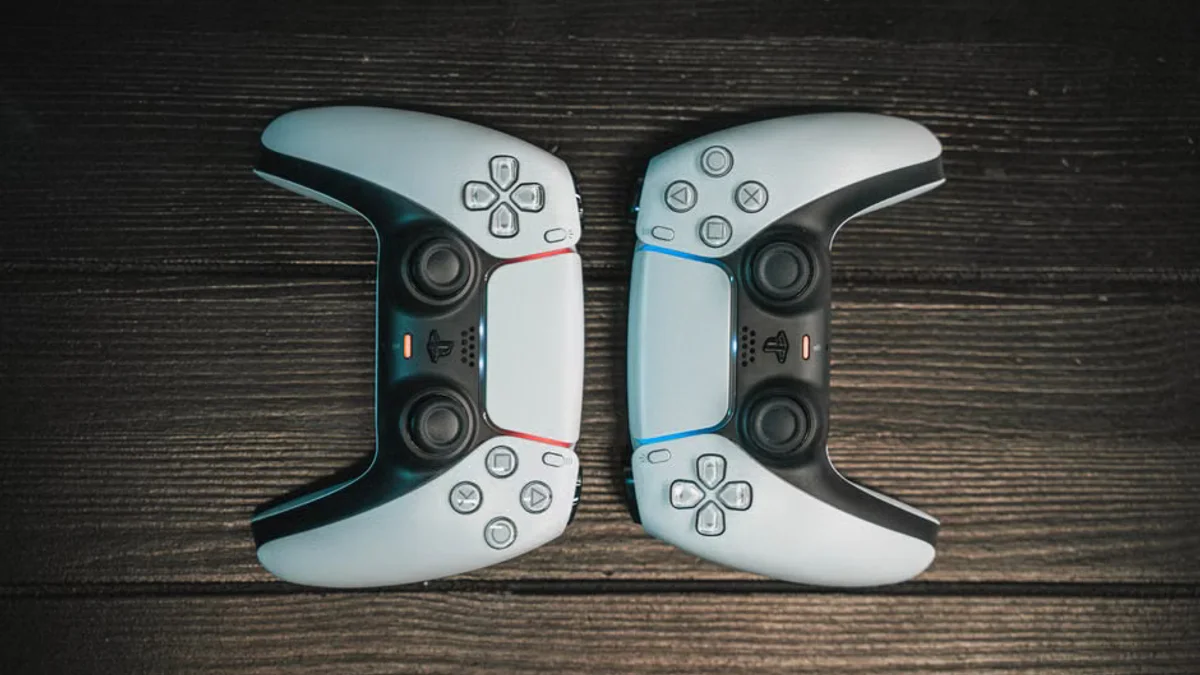
As hardware manufacturers look toward future console generations, the lessons learned from the PS5 pricing lifecycle will undoubtedly influence global manufacturing and pricing strategies.