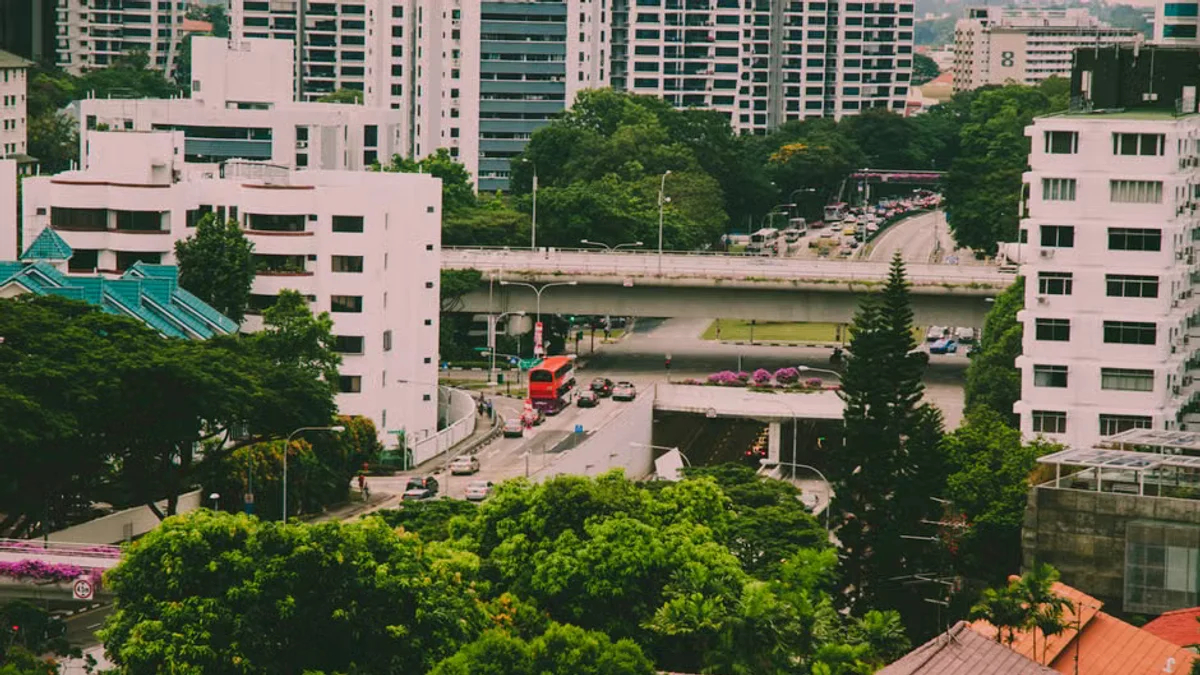
SINGAPORE — In a bold step toward the future of urban mobility, Singapore has announced a major expansion of its autonomous bus trials across designated public routes. The Land Transport Authority (LTA) confirmed that next-generation self-driving fleets equipped with advanced LiDAR, artificial intelligence neural networks, and redundant safety systems will begin operating in select residential districts.
This strategic expansion is designed not only to test technological readiness under high-density tropical weather conditions but also to address a chronic labor shortage within the public transport sector. Transport economists note that deploying driverless heavy vehicles could drastically reduce long-term operational costs while optimizing route scheduling during off-peak hours.

Commuters have expressed a mix of curiosity and cautious optimism. While tech enthusiasts welcome the innovation, safety advocates emphasize the necessity of rigorous human oversight, especially given Singapore's complex traffic environment. The LTA has assured the public that safety drivers will remain onboard during the initial phase of deployment to monitor system responses and manually override controls if necessary.
Industry analysts view Singapore’s progressive regulatory framework as a global benchmark for autonomous transport adoption. By streamlining approval processes and collaborating closely with tech firms, the island nation is positioning itself at the forefront of urban technology deployment in Southeast Asia.
Key Highlights
- LTA expands driverless bus routes to high-density residential districts.
- Advanced LiDAR and AI integration ensure high safety standards in tropical weather.
- Aims to mitigate labor shortages and enhance public transport efficiency.
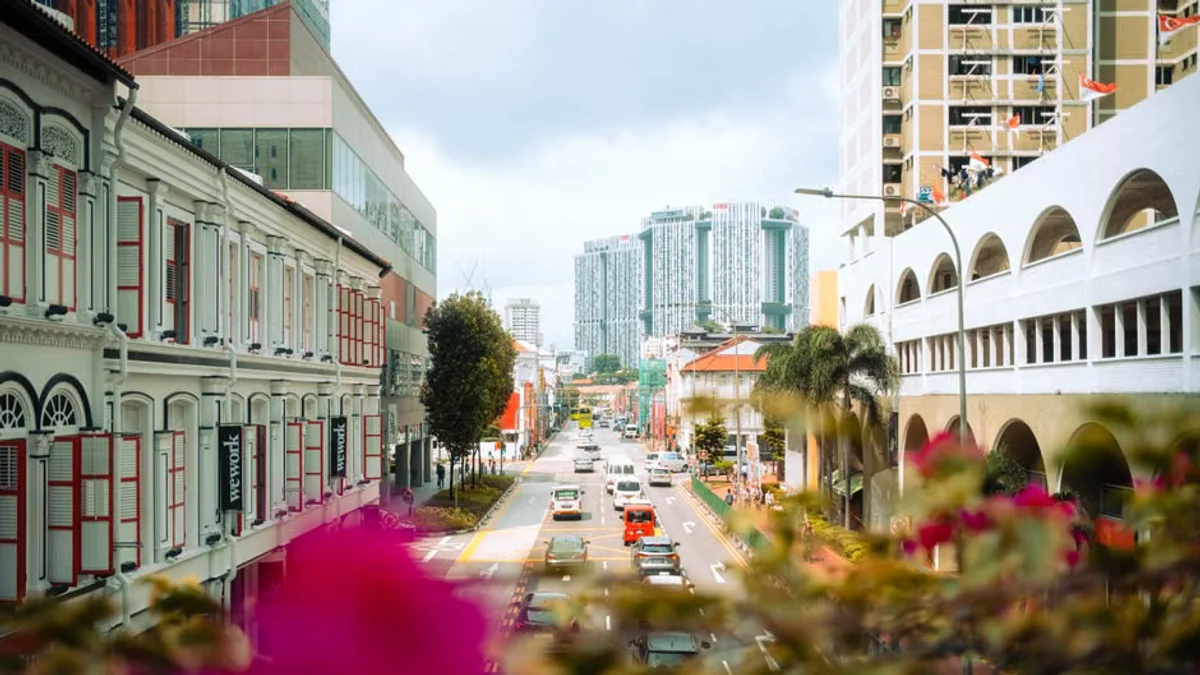
As these trials progress toward full commercial integration, the lessons learned in Singapore are expected to serve as a blueprint for mega-cities worldwide grappling with congestion and demographic shifts.