The Political Landscape of Uttar Pradesh Ahead of 2027

Political momentum in Uttar Pradesh is steadily picking up pace well ahead of the 2027 assembly elections. Amid ongoing strategic moves by various political parties, a comprehensive mega survey has brought fresh insights into voter sentiment across the state. The survey covers all 75 districts, attempting to gauge the public mood regarding governance, leadership, and critical socio-economic issues.
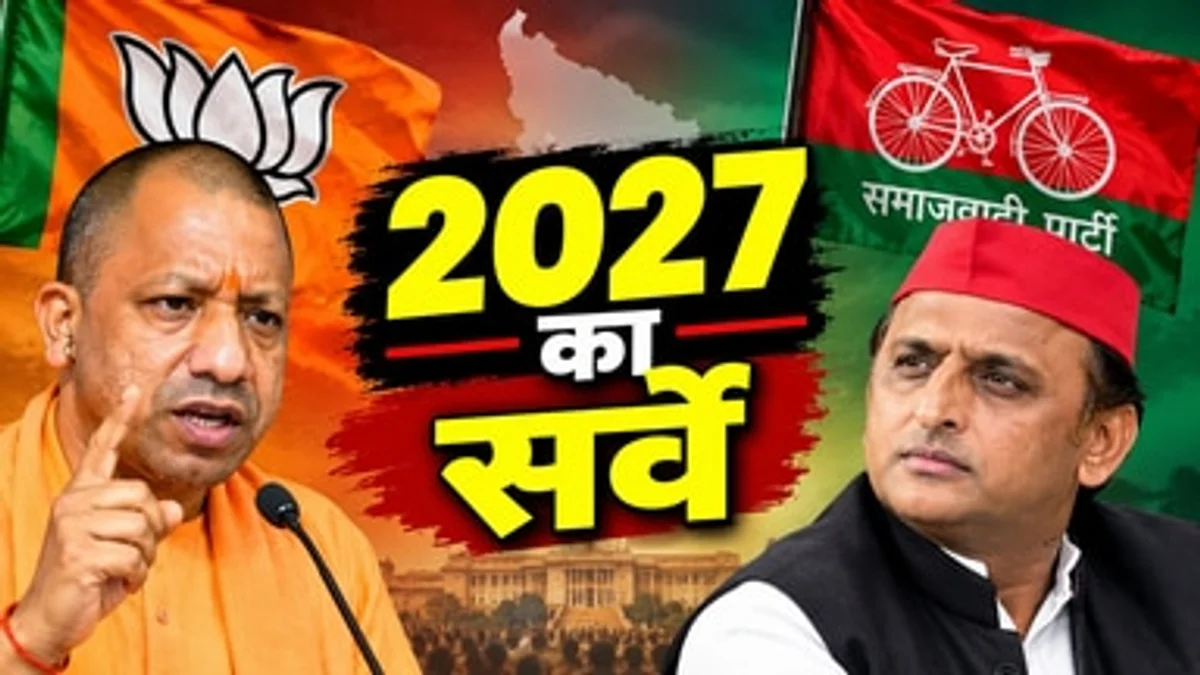
Both the ruling coalition and opposition parties are gearing up for a high-stakes contest. While Chief Minister Yogi Adityanath's administration points to its track record on law and order and infrastructure development to seek a third consecutive term, the Samajwadi Party and its allies are emphasizing employment concerns and social coalition equations to mount a strong challenge.
Survey Findings: Voter Preferences and Leadership Ratings
According to the survey findings, the BJP-led NDA maintains a strong position among respondents, with approximately 66.6 percent of those surveyed indicating a preference for the ruling alliance. Meanwhile, the alliance between the Samajwadi Party and Congress captures about 26.4 percent of projected support, with regional players aiming to carve out their respective vote banks.

When it comes to leadership preferences for the Chief Minister's office, Yogi Adityanath continues to lead by a significant margin. Around 66.2 percent of participants expressed support for him, compared to 24.4 percent favoring opposition leader Akhilesh Yadav. These numbers underscore the persistent influence of incumbent leadership among a major section of the electorate.
Law and Order Remains a Pivotal Electoral Factor
Governance and public safety consistently rank among the most crucial parameters for voters. In this assessment, law and order emerged as a top priority for over 33 percent of respondents. Notably, around 74 percent of participants expressed satisfaction with the administration's handling of security and crime prevention.
Infrastructure expansion and the delivery of welfare schemes also received favorable reviews, with satisfaction ratings hovering above 65 percent. However, employment generation remains an area where public expectations are high, prompting increased focus from policymakers and political observers alike.