The intersection of partisan politics and premier cultural institutions has once again moved to the forefront of public discourse, following renewed attention surrounding Donald Trump and the John F. Kennedy Center for the Performing Arts. The discussions have triggered widespread debate among cultural critics, policy makers, and the public regarding the governance and ideological neutrality of national arts organizations.
Critics and supporters alike are sharply divided over the historical appointments and policy stances associated with political leadership involvement in federal cultural endowments. While defenders argue that executive oversight ensures broad representation and fiscal accountability within national monuments, opponents contend that political interference threatens the independent artistic integrity of such prestigious institutions.
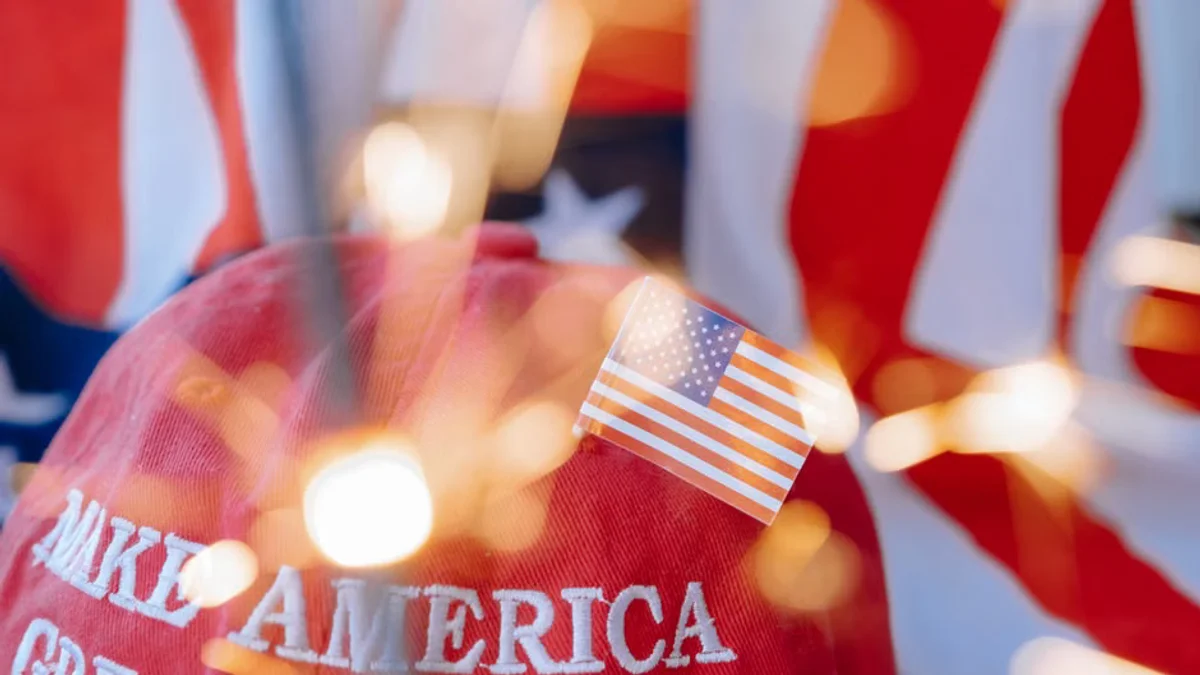
As these cultural policy debates unfold, arts administrators and congressional committees are closely monitoring public sentiment. The ongoing discussions underscore the broader cultural polarization currently influencing institutional leadership across Western democracies.
Key Highlights
- Renewed debate focuses on political influence within national cultural institutions.
- Cultural critics and political figures clash over the mandate of federal arts centers.
- Institutional governance and artistic independence remain central talking points.
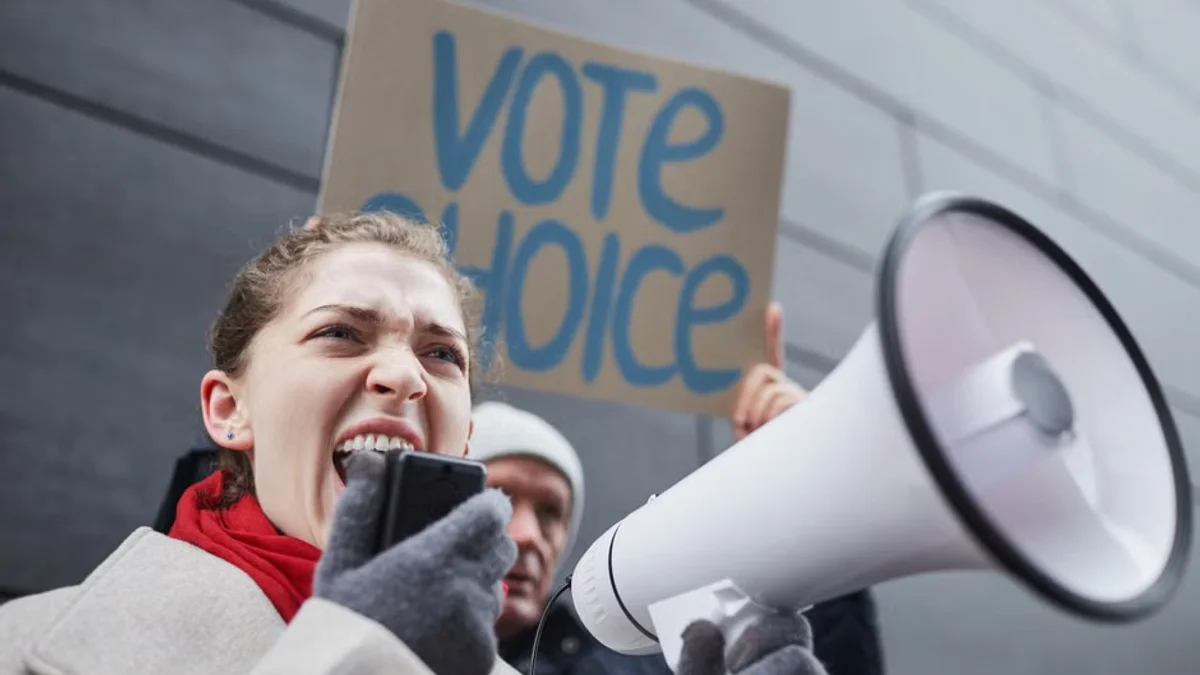
Ultimately, the controversy highlights the delicate balance required when managing publicly funded cultural entities in an era of heightened political division.