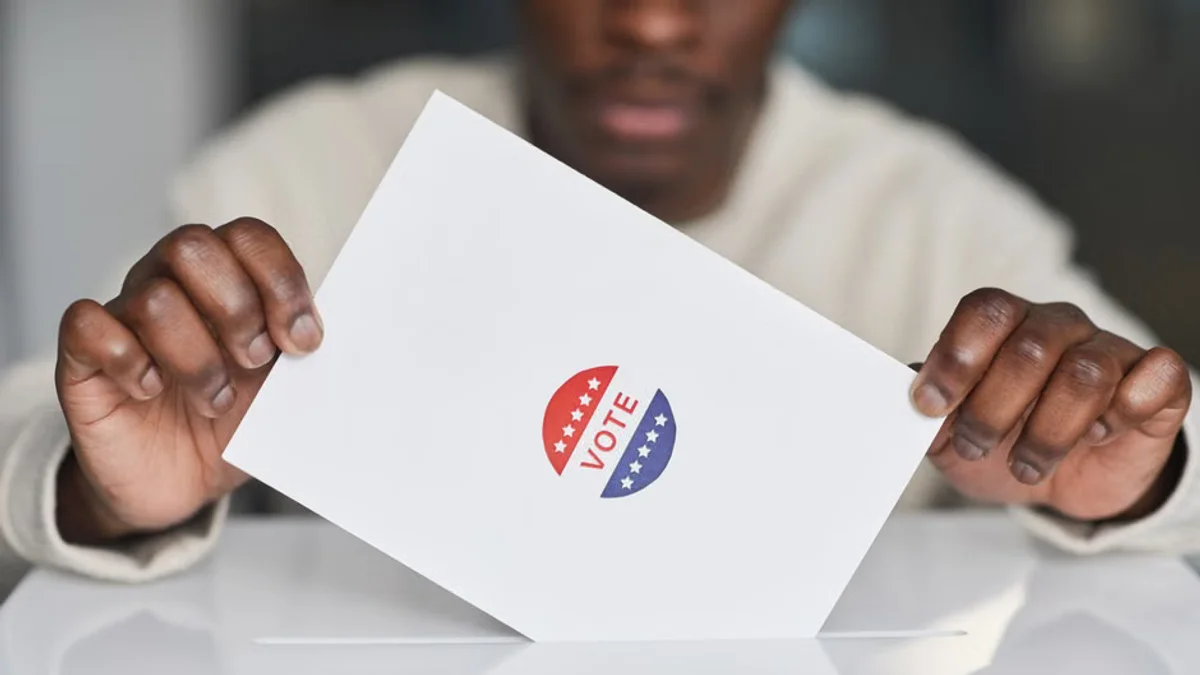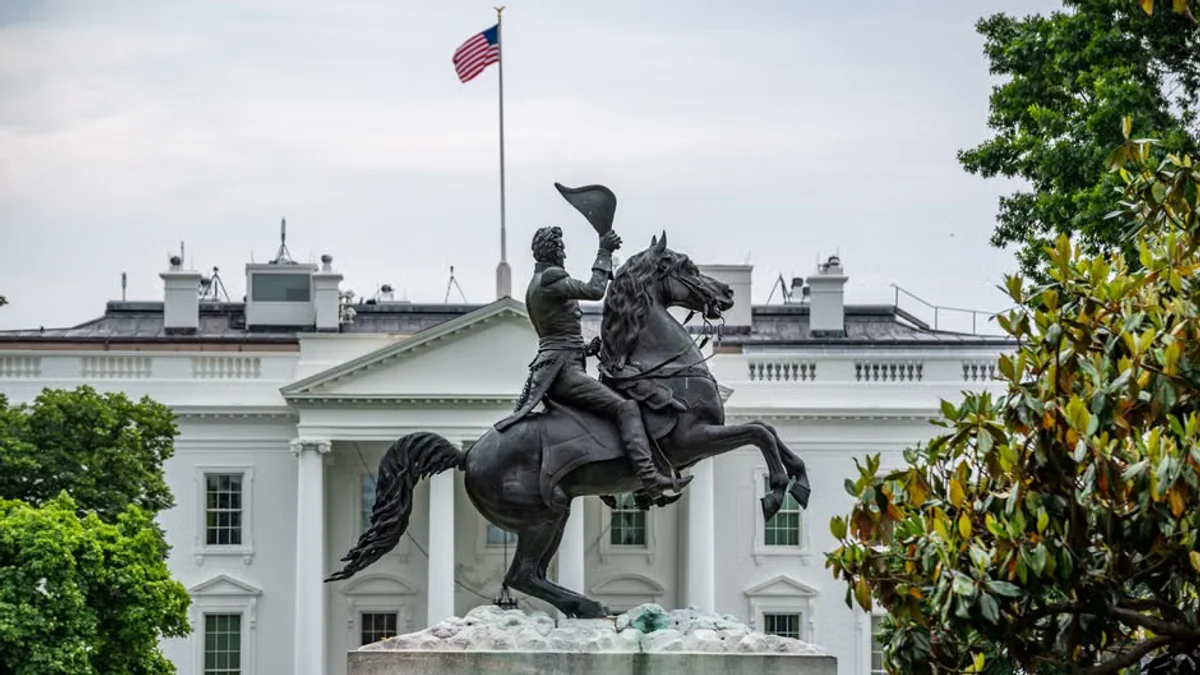
Political strategist circles in Washington and across the United States are intensely focused on the evolving political landscape as the Donald Trump administration lays the foundational groundwork for the upcoming midterm elections. With legislative control of Congress hanging in the balance, both major political parties are recalibrating their messaging to address pressing economic anxieties, immigration policies, and national security concerns.
The administration's core economic agenda, centering on tax reforms, domestic manufacturing incentives, and trade tariff adjustments, is anticipated to serve as the central pillar of the upcoming electoral campaigns. Supporters argue that these policies have stimulated domestic job growth and fortified American industrial independence. Conversely, critics raise concerns regarding potential inflationary pressures and international trade frictions.
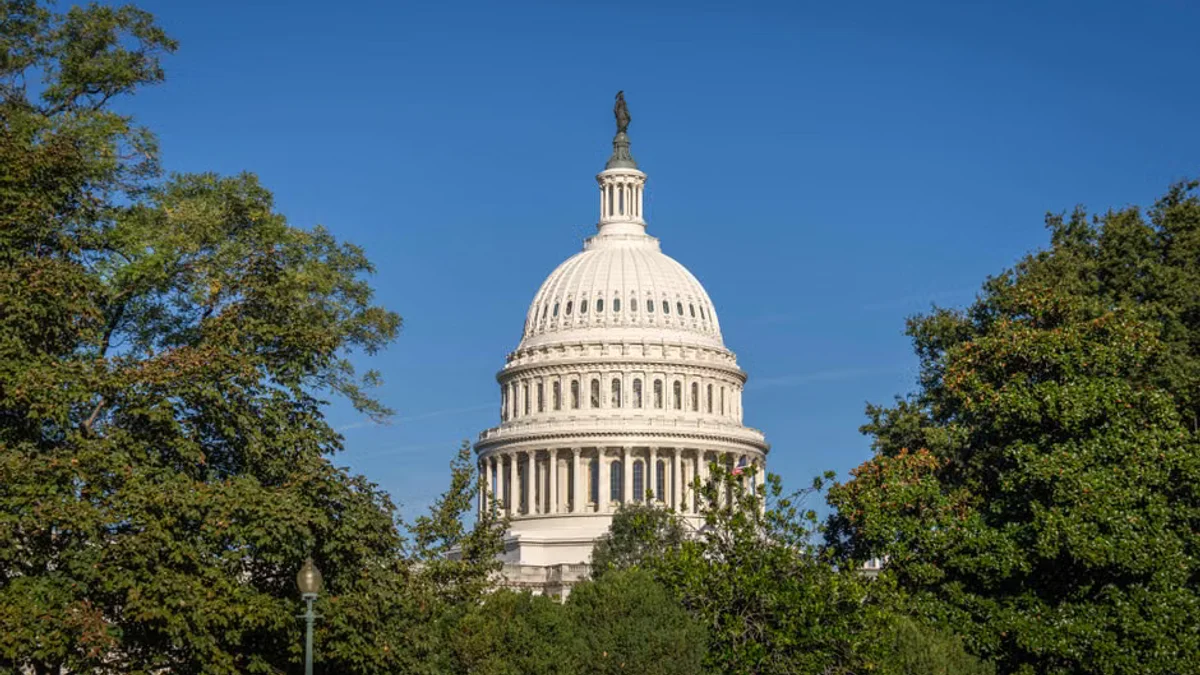
Electoral analysts emphasize that midterm elections historically serve as a referendum on the sitting executive branch. Turnout dynamics in critical swing states will likely dictate the legislative majority in both the House of Representatives and the Senate. Campaign fundraising operations have already commenced at a historic pace, reflecting the immense stakes involved for both conservative and progressive factions.
As candidates begin positioning themselves across districts nationwide, voters can expect a highly polarized political environment driven by intense media scrutiny, grassroots mobilization, and digital advertising campaigns.
Key Highlights
- Midterm elections set to determine legislative control of US Congress.
- Economic policy and national security emerge as primary campaign themes.
- Swing states expected to play a decisive role in final electoral outcomes.
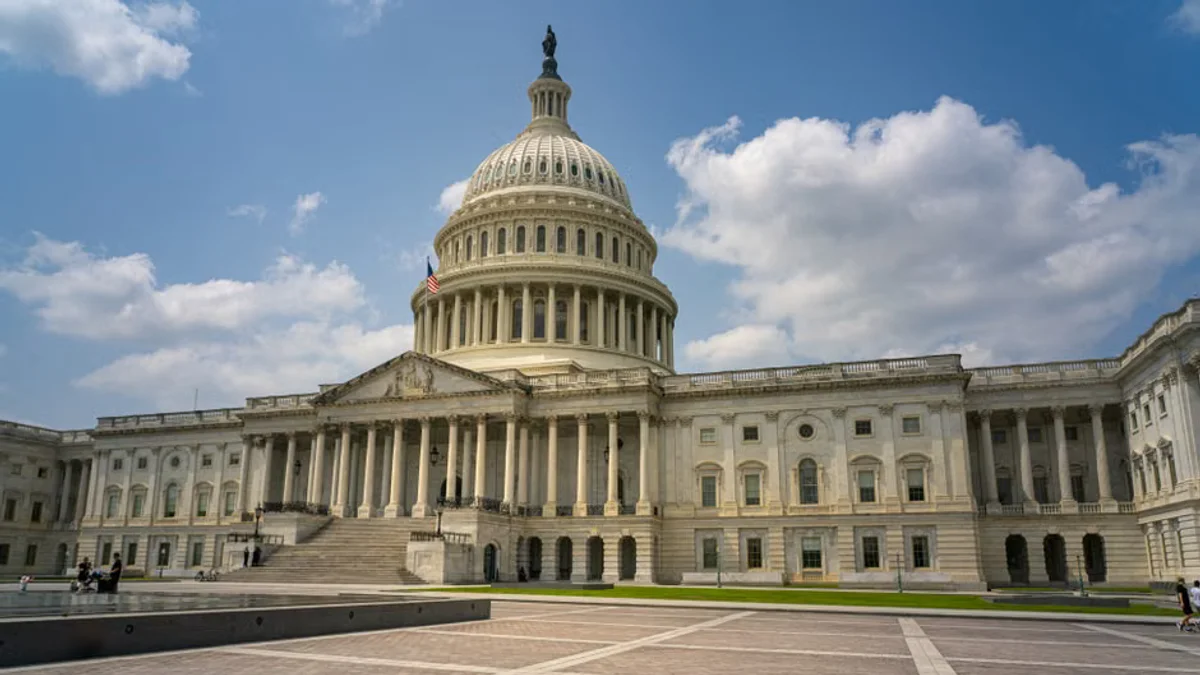
The coming months will test the political resilience and legislative efficacy of the administration as it seeks to maintain its momentum on Capitol Hill amidst shifting voter demographics.