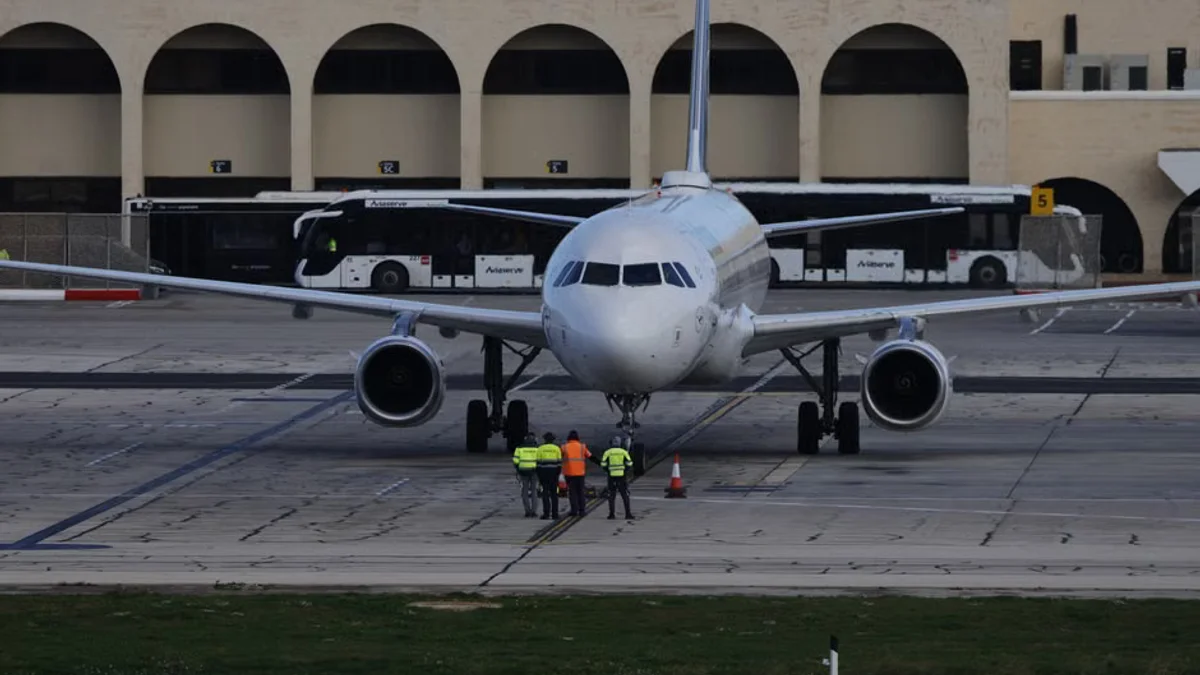
A commercial flight scheduled to depart from London Gatwick Airport experienced a dramatic security incident when a passenger's portable phone charger caught fire inside the aircraft cabin during pre-flight boarding. Quick-thinking cabin crew members deployed specialized thermal containment bags and fire extinguishers, successfully extinguishing the flames before the fire could spread to surrounding seating materials.
Emergency response teams met the aircraft on the tarmac as a precautionary measure, and all passengers were safely evacuated back to the terminal with only minor smoke inhalation reports treated on-site. Aviation authorities immediately launched an inquiry into the incident, focusing on the safety certification and wattage limits of commercial lithium-ion power banks permitted in carry-on luggage.

The event has reignited urgent debates among international aviation safety regulators regarding whether current restrictions on lithium-ion batteries are sufficient. Industry experts note that thermal runaway in high-capacity portable chargers poses unique firefighting challenges in pressurized aircraft environments at high altitudes.
Airlines worldwide are expected to issue renewed guidance regarding the proper storage of electronic accessories during transit.
Key Highlights
- London Gatwick flight evacuated after a passenger's portable charger caught fire in the cabin.
- Cabin crew successfully utilized onboard thermal containment equipment to avert disaster.
- Aviation regulators are reviewing safety standards for lithium-ion power banks in aircraft cabins.
- Airlines urge stricter passenger compliance regarding electronic device storage during flights.

As reliance on personal mobile technology grows, this incident serves as a stark reminder of the hidden hazards airborne lithium batteries present to commercial aviation security.