The High-Stakes US Midterm Elections and Trump's Campaign Trail

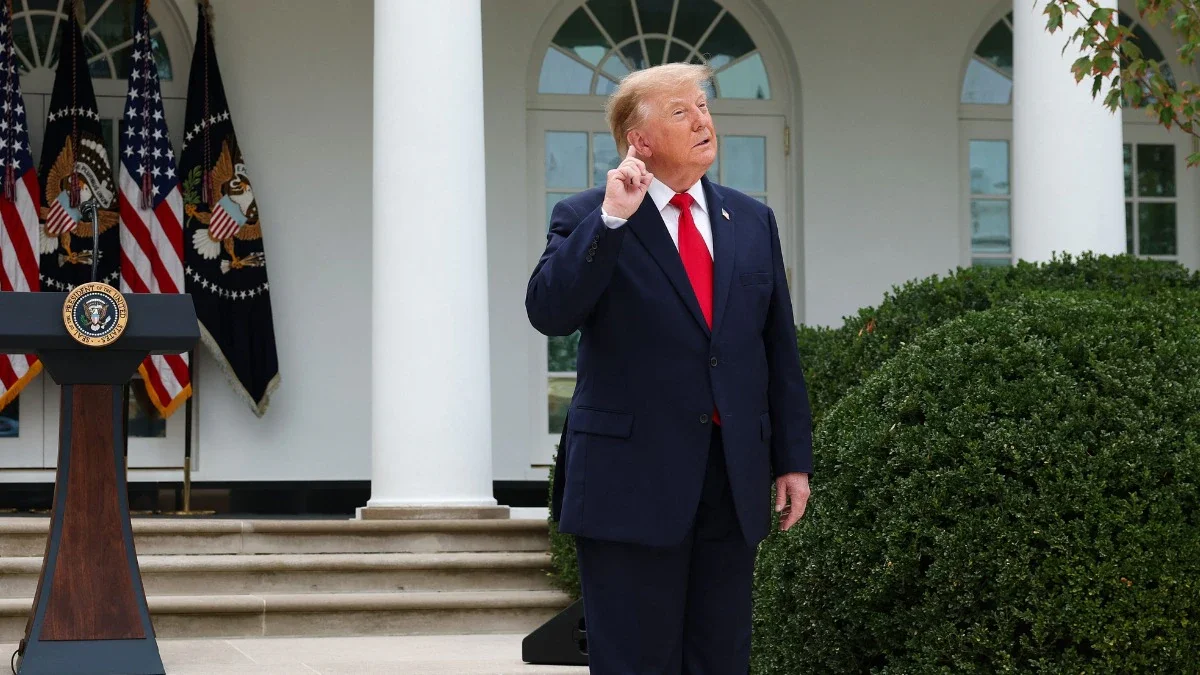
The political landscape in the United States is heating up as President Donald Trump steps up his campaign ahead of the crucial midterm elections. Traveling across key states, Trump is rallying his base to ensure that the Republican Party retains its grip on Congress, which will ultimately shape the remaining tenure of his administration.
During a high-energy rally in Dalton, Georgia, President Trump emphasized the monumental significance of this electoral battle. He urged voters to turn out in massive numbers, famously remarking that they should treat the election as if he himself were running directly on the ballot. Political observers note that midterm elections historically pose a challenge for the sitting president's party, making aggressive grassroots mobilization vital.
The Battle for Control of Congress
Midterm elections take place midway through a president's four-year term, deciding all 435 seats in the House of Representatives and roughly 35 seats in the Senate, alongside several gubernatorial races. Currently, the Republican Party holds majorities in both chambers of Congress, but the Democrats need only a handful of seats to flip the House.

If the opposition manages to secure control of even one chamber of Congress, advancing legislative priorities and presidential policies will become exceptionally difficult for the White House. This underlying political friction explains why the administration is leaving no stone unturned in rallying conservative voters nationwide.
Economic Claims and the Proposed 'Trump Dividend'
Stumping on the economy, Trump highlighted robust employment figures, rising personal incomes, and a historic decline in poverty rates under his watch. He touted aggressive manufacturing growth and new investments by major corporations as evidence of successful economic governance.
In a related development during an Alaska rally, Trump dangled a major economic incentive, promising that every adult American would receive a 5,000 dollar payout funded by tariff revenues if Republicans successfully maintain control of Congress. While economists debate the feasibility of such proposals without congressional sign-off, the announcement has added significant momentum to the campaign trail.