
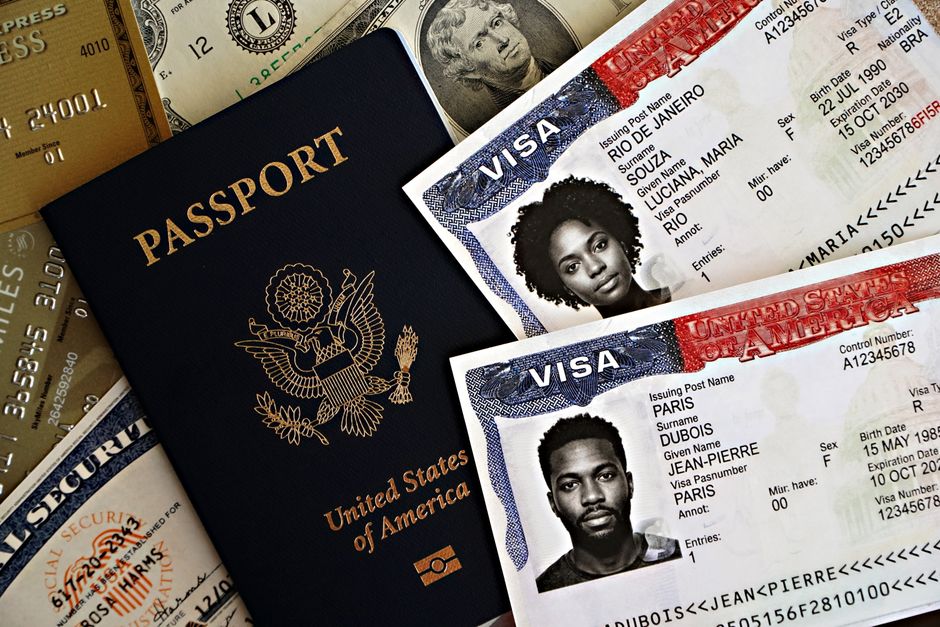
In recent months, several developed nations have announced sweeping revisions to their immigration and visa frameworks, citing security concerns, labor market adjustments, and infrastructure strains. These policy shifts are already creating significant bottlenecks for multinational corporations seeking to relocate skilled tech and engineering talent, as well as international students planning their higher education pathways.
Governments in North America and Europe argue that modernized verification systems and stricter eligibility thresholds are necessary to protect domestic labor markets and maintain national security standards. However, economists and industry leaders warn that overly restrictive visa policies could stifle innovation, exacerbate acute labor shortages in key sectors such as healthcare and technology, and diminish international competitiveness.
Furthermore, diplomatic channels are under pressure as countries negotiate reciprocal travel agreements and address backlogs in consular processing. The ripple effects of these regulatory changes extend deep into the global tourism sector, where hospitality industries rely heavily on unhindered visitor flows from emerging markets.
Key Highlights
- Stricter visa criteria introduced across major Western economies to manage immigration flows.
- Multinational corporations raise concerns over talent acquisition bottlenecks and delays.
- Balancing national security with economic competitiveness remains a primary policy challenge.
As these new measures take effect, international stakeholders will need to adapt swiftly to a more fragmented and scrutinized global mobility environment, potentially altering migration patterns for the coming decade.


