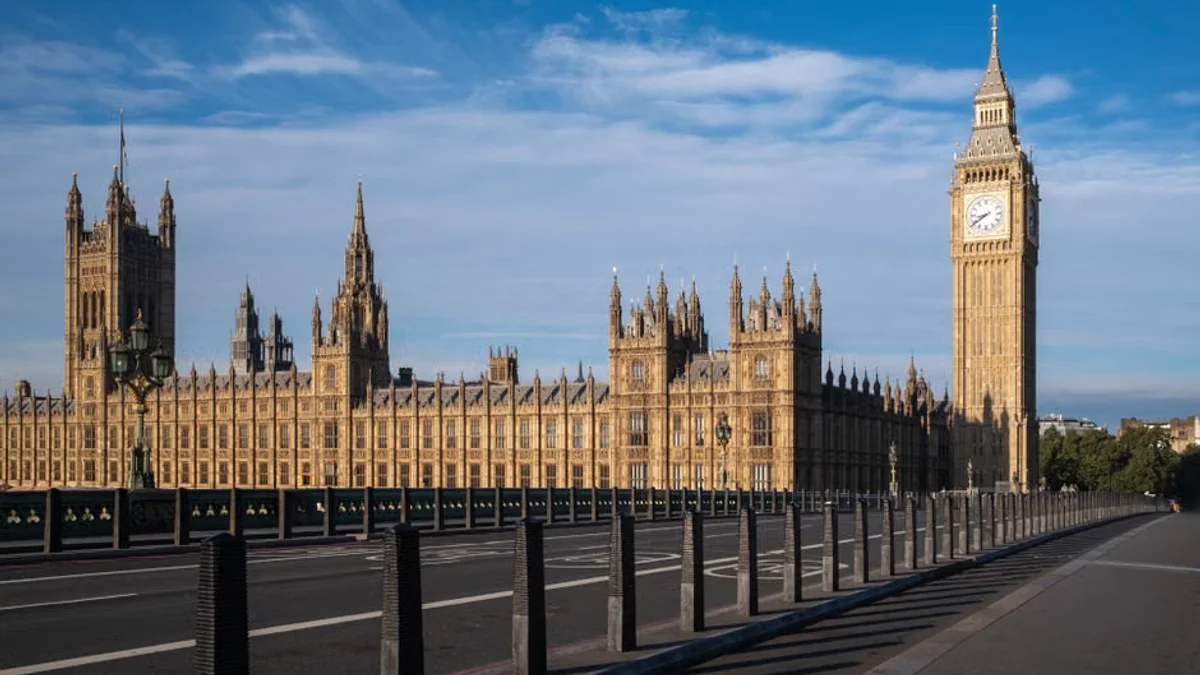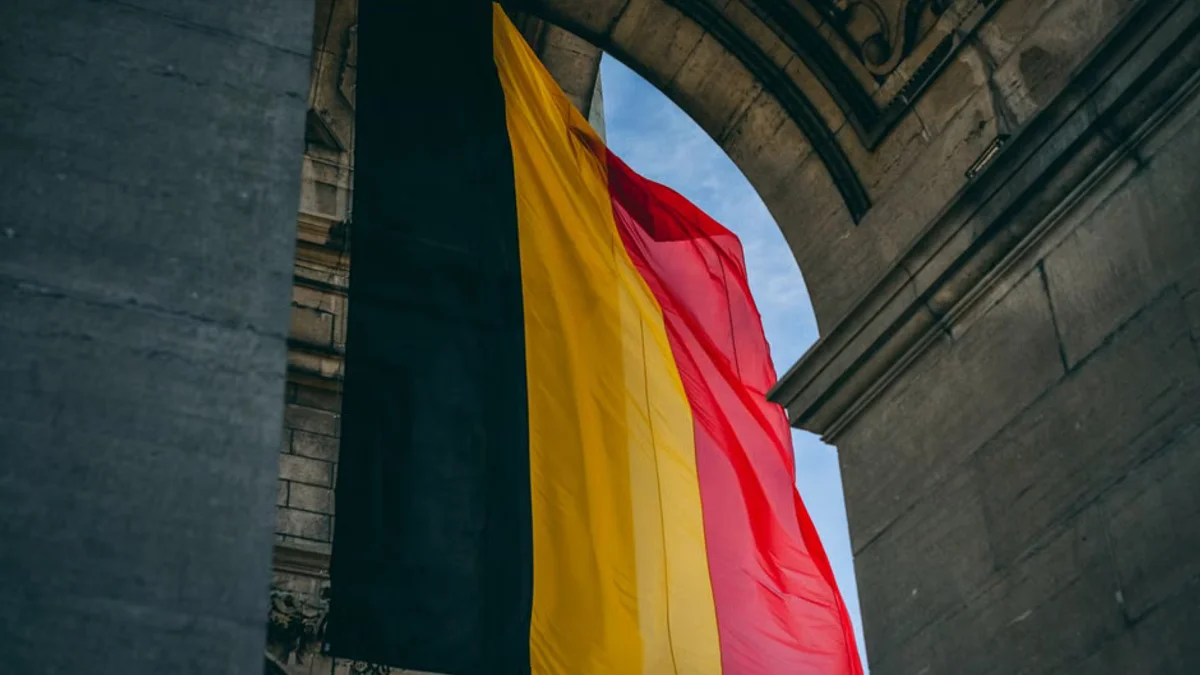
As European Union leaders grapple with prolonged fiscal negotiations, French President Emmanuel Macron and German conservative leader Friedrich Merz find themselves at the center of a high-stakes diplomatic standoff. Analysts suggest that while both leaders possess the political keys necessary to unlock a comprehensive budget agreement, their respective domestic political weaknesses may hinder decisive action.
Brussels insiders report that mounting economic pressures and fragmented parliaments in both Paris and Berlin have left both leaders with diminished capital. Consequently, ambitious reforms required to stabilize the bloc's long-term financial framework face severe headwinds from populist factions and domestic budget watchdogs.
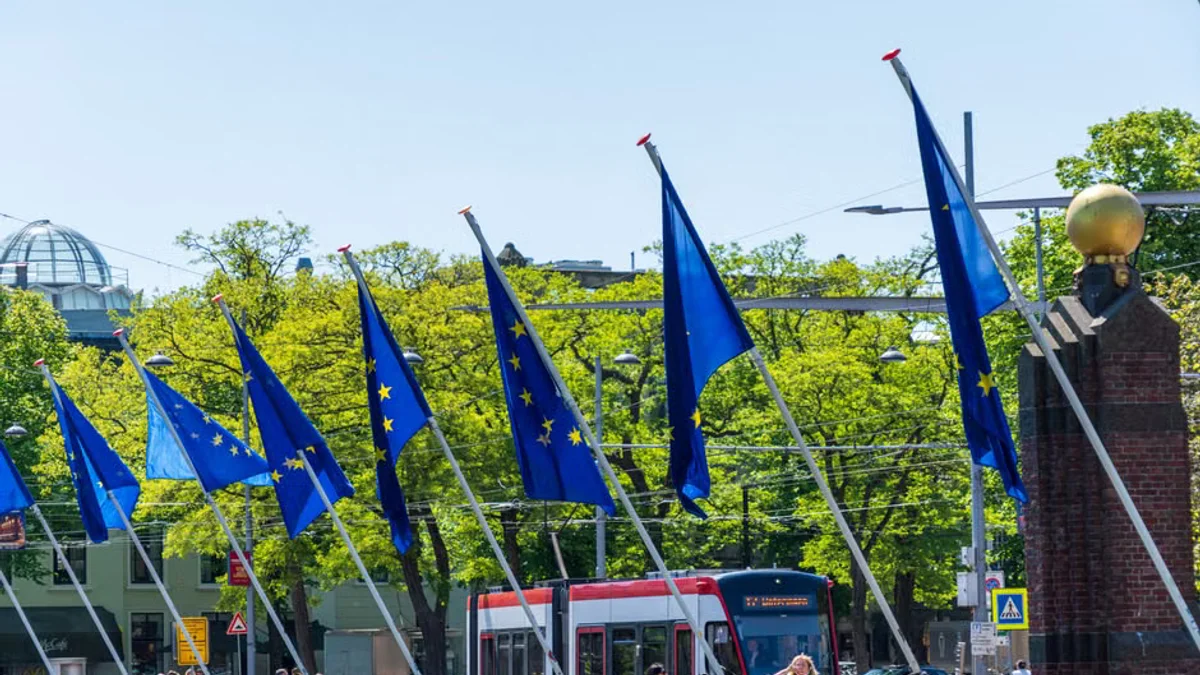
The impasse threatens to delay critical funding allocations for green energy transitions, defense cooperation, and regional development initiatives across member states. Diplomats continue behind-the-scenes negotiations in an effort to forge a compromise before upcoming European Council deadlines.
Key Highlights
- Macron and Merz hold crucial influence over upcoming EU budget negotiations.
- Domestic political weaknesses complicate their ability to enforce sweeping compromises.
- Delays threaten vital funding for defense and green transition projects.
The resolution of this budget impasse will serve as a definitive test of Franco-German leadership strength within an increasingly fractured European political landscape.