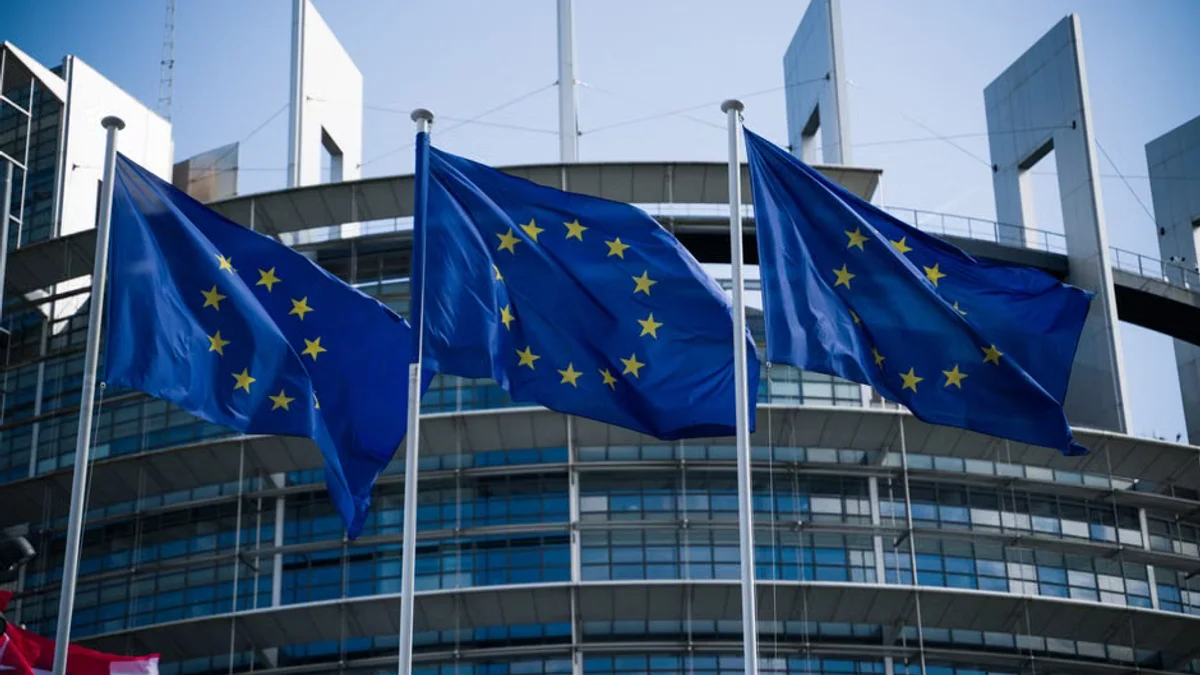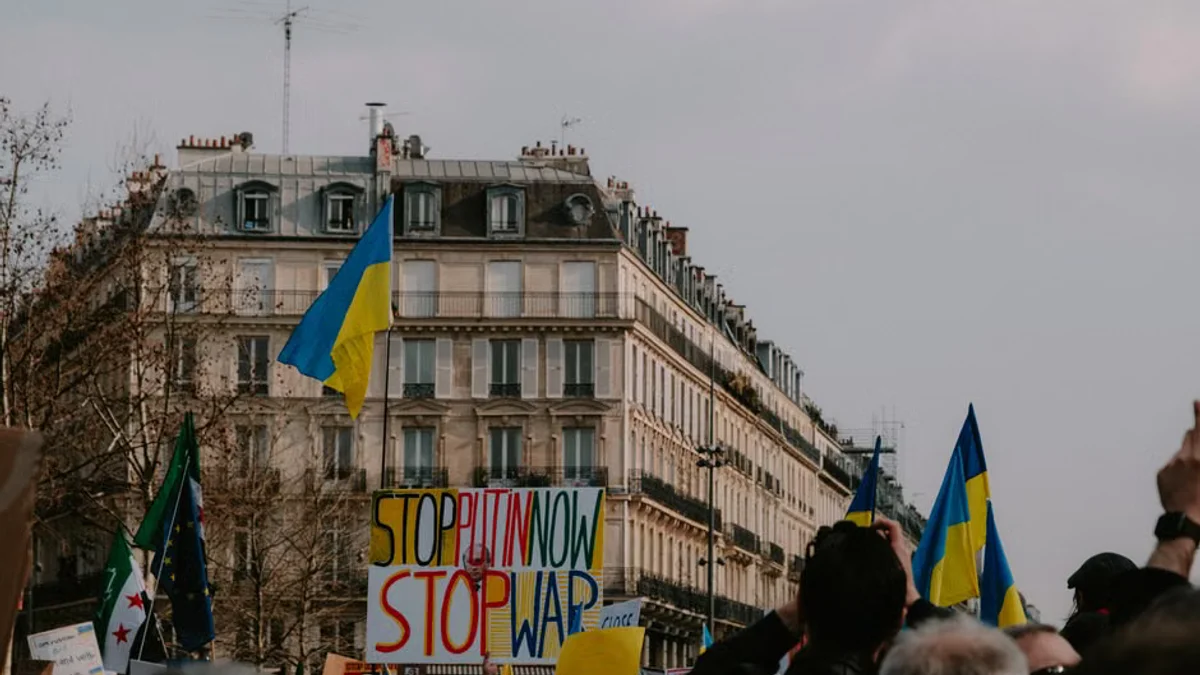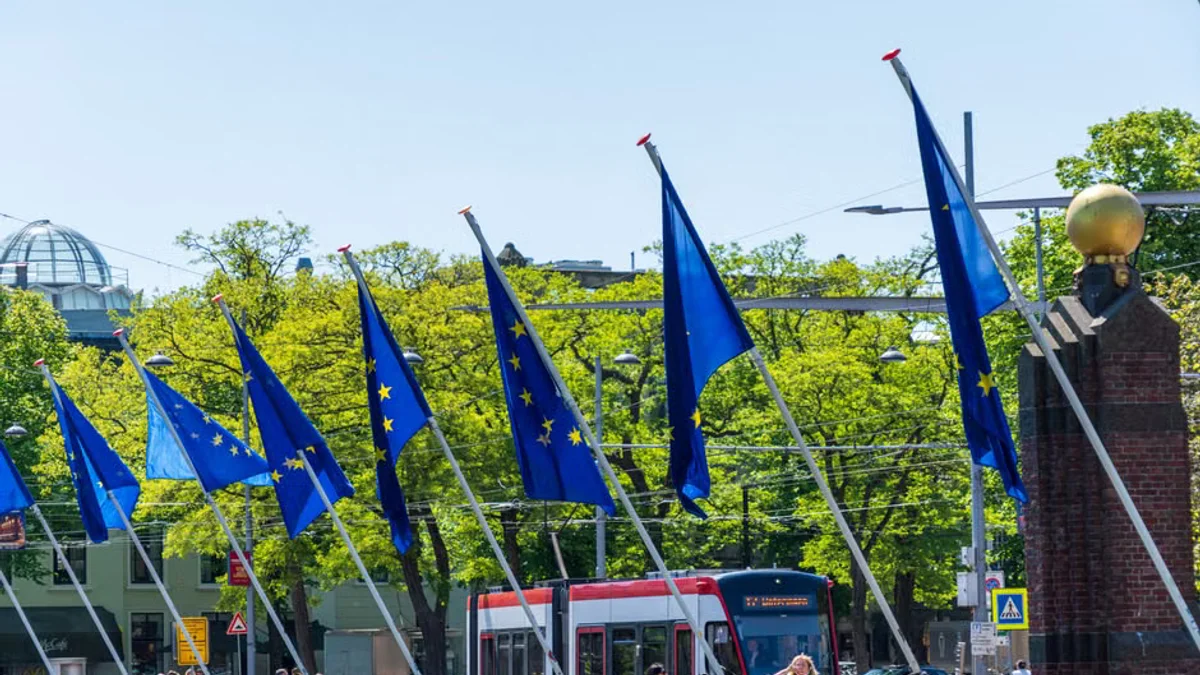
The European Union has formally adopted a sweeping new sanctions package, introducing nearly 1,600 additional listings aimed directly at crippling Russia's military-industrial complex, financial networks, and key commodity export routes. The unprecedented legislative step represents one of the most comprehensive economic volleys launched by Brussels since the conflict in Ukraine began.
Diplomatic sources indicate that the latest restrictions close numerous loopholes that allowed dual-use technologies and sanctioned goods to flow through third-party intermediaries. The measures also expand asset freezes and travel bans on high-ranking Russian officials, oligarchs, and defense contractors deemed responsible for sustaining military operations in Ukraine.
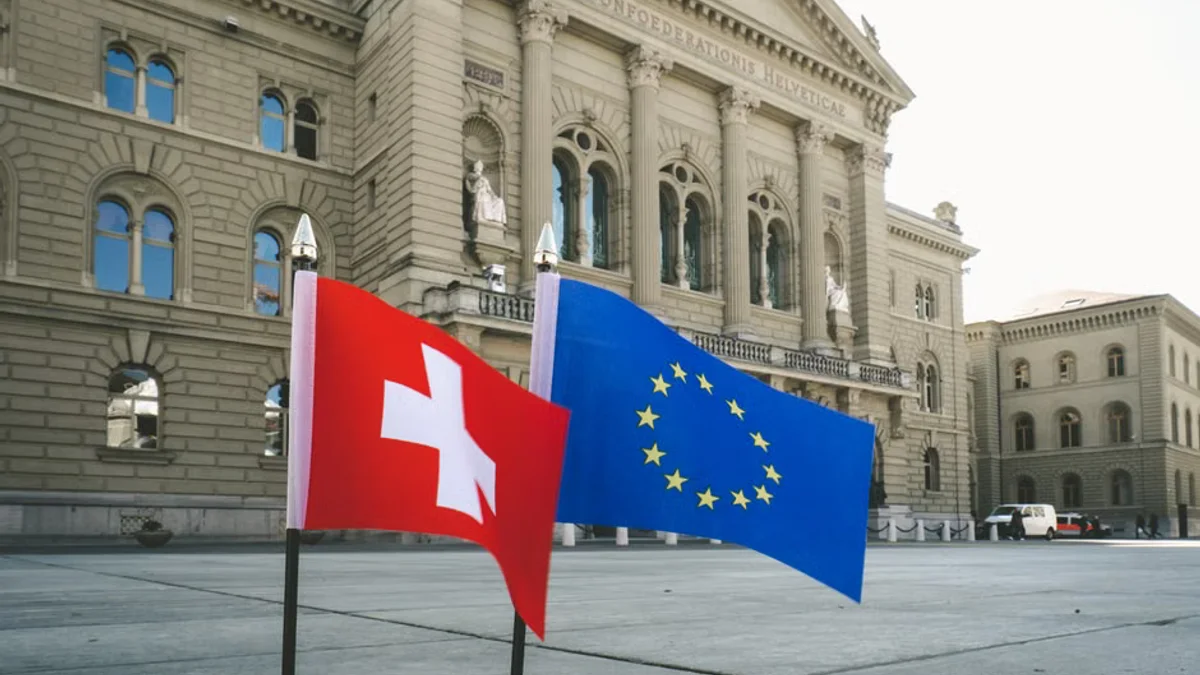
Economic researchers suggest that while Russian state revenues have adapted through alternative trade channels in Asia, these tightened European restrictions will increase transaction costs, strain supply chains, and further isolate Moscow from advanced Western technologies. Member states remain steadfast in their commitment to maintaining economic pressure despite domestic inflation and energy cost challenges across the continent.
Key Highlights
- EU adopts nearly 1,600 new sanctions listings targeting Russia's war machinery.
- Measures specifically close loopholes involving dual-use tech and third-party trade.
- Sanctions broaden asset freezes and travel restrictions on key Russian officials.
The aggressive expansion of these economic penalties underscores the EU's unwavering resolve to sustain long-term pressure on the Kremlin's financial foundations.