The possibility of Formula 1 roaring back to the Sepang International Circuit has gained significant momentum following recent statements from Malaysian sports officials exploring a collaborative co-hosting model. Under the proposed framework, Malaysia would share hosting duties and financial commitments with a neighboring Southeast Asian country, alternating Grand Prix weekends every few years.
Malaysia famously hosted iconic F1 races from 1999 to 2017 before escalating hosting fees and shifting government expenditure priorities led to the event's discontinuation. By partnering with a regional stakeholder—such as Singapore, Thailand, or Vietnam— Kuala Lumpur hopes to distribute the substantial capital investment required by Liberty Media while creating an attractive, multi-destination fan experience for international motorsport enthusiasts.
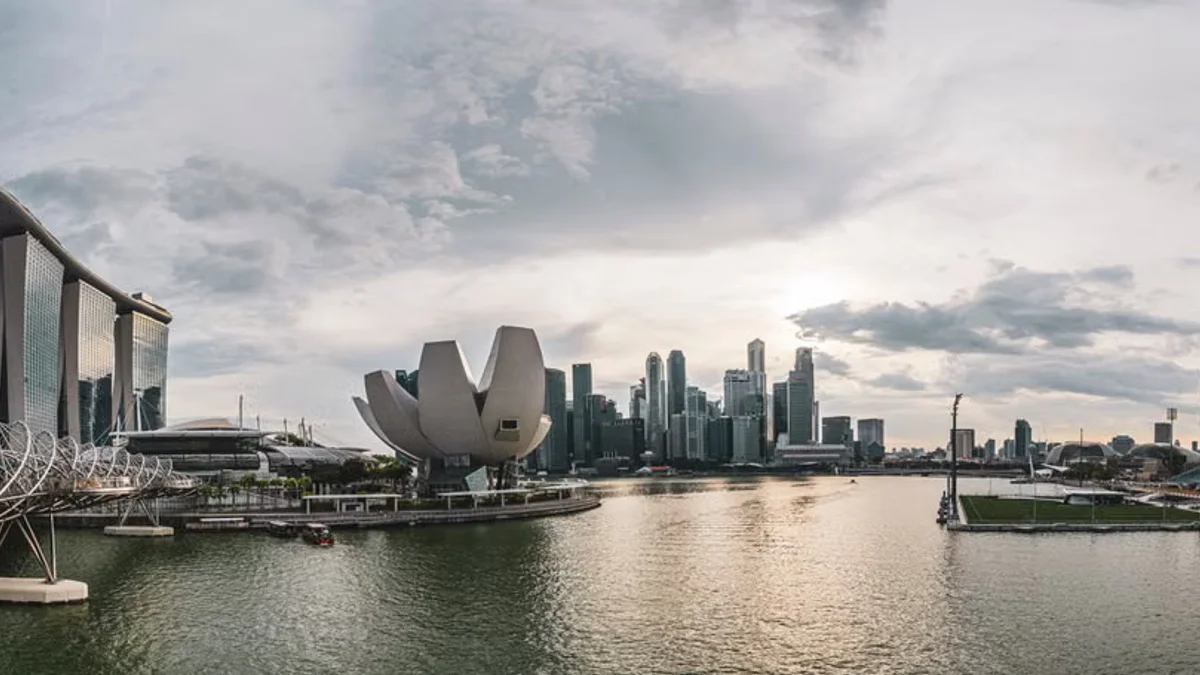
Commercial analysts point out that such regional cooperation could redefine how high-cost global sporting events operate in emerging markets, maximizing tourism revenue while mitigating financial risk. Formula One Group has consistently expressed openness to expanding its calendar in Southeast Asia, provided long-term economic sustainability can be guaranteed.
Key Highlights
- Malaysia explores a rotational co-hosting agreement to bring Formula 1 back to Sepang.
- The collaborative model aims to share hosting costs and financial risks with regional partners.
- Sepang previously hosted highly praised F1 grands prix from 1999 until 2017.
- F1 leadership remains receptive to innovative scheduling that expands the sport's Asian footprint.
As discussions progress between sports ministries and racing promoters, motorsport fans across Asia are watching eagerly for signs that the iconic Malaysian Grand Prix could soon secure a triumphant return to the global racing calendar.