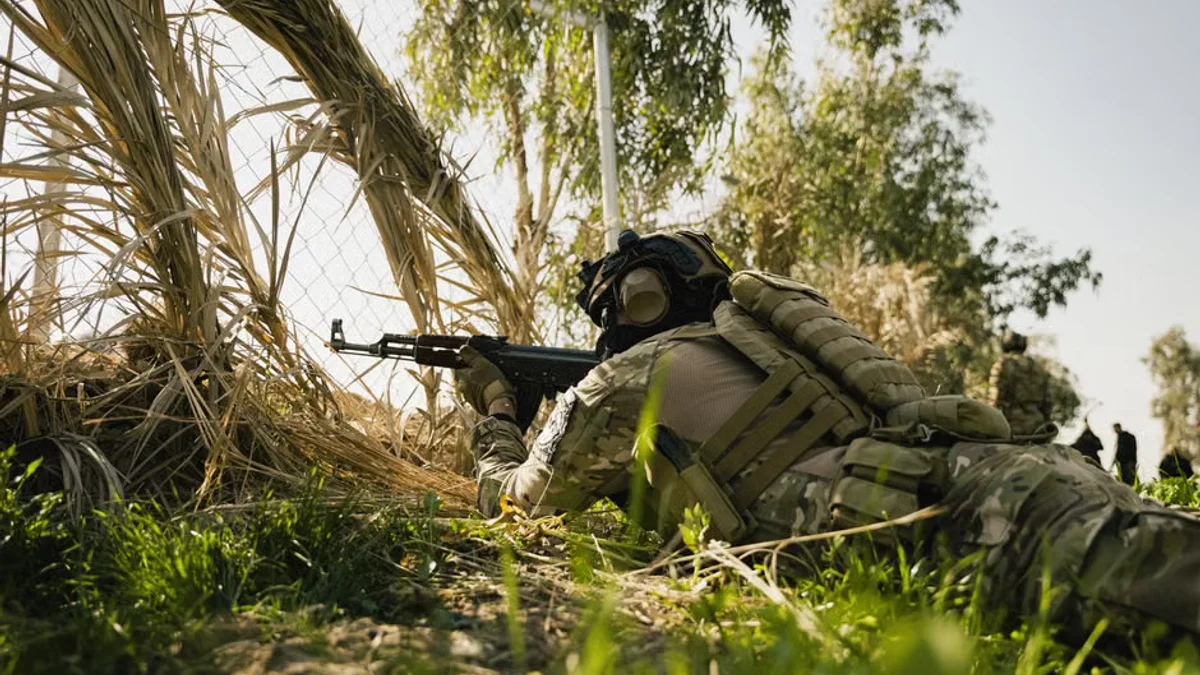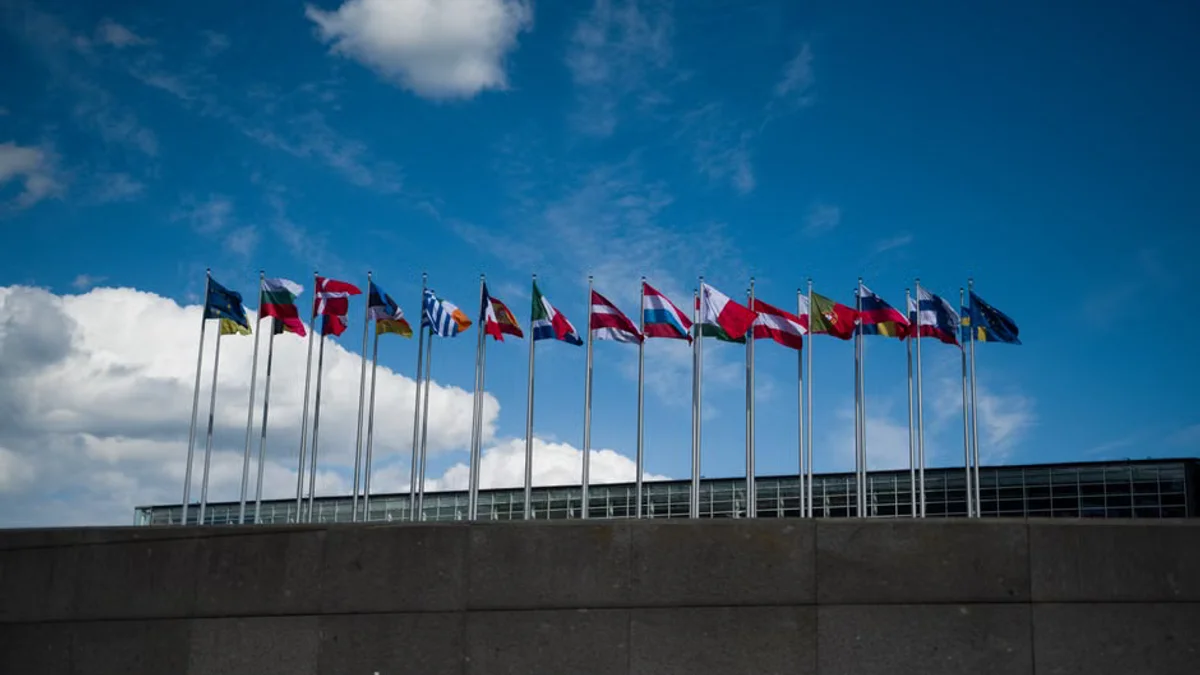
International diplomatic corps and global energy markets have entered a state of heightened alert following reports of military strikes involving Iran, sending shockwaves through foreign policy circles. Allied governments in North America and Europe have convened emergency security briefings to evaluate the geopolitical fallout and coordinate defensive measures across the region.
The escalation has immediately impacted global crude oil benchmarks, with traders pricing in potential disruptions to vital maritime transit corridors and energy infrastructure. Economic ministers have expressed concern over potential supply shocks that could derail fragile global economic recovery efforts and rekindle inflationary spikes in energy-dependent nations.

United Nations officials and regional intermediaries have intensified calls for immediate de-escalation, urging all sovereign actors to exercise maximum restraint. However, entrenched strategic rivalries and complex military alliances continue to complicate diplomatic breakthroughs, leaving the immediate security outlook precarious.
Key Highlights
- Military strikes involving Iran prompt international security briefings in Western capitals.
- Global crude oil prices fluctuate sharply amid fears of supply route disruptions.
- United Nations calls for urgent de-escalation and diplomatic restraint.

The unfolding crisis highlights the fragility of regional security architecture and the interconnected nature of global geopolitical stability.