In a controversial diplomatic development that has sent shockwaves through Southeast Asia, Myanmar’s military junta leader, Senior General Min Aung Hlaing, has touched down in Malaysia for formal state discussions. The visit marks one of the few high-profile international engagements undertaken by the embattled general since the 2021 military coup that violently overthrew the democratically elected government led by Aung San Suu Kyi.
Human rights advocates, refugee communities, and several regional parliamentarians have voiced unreserved condemnation regarding Kuala Lumpur's decision to host the junta chief. Chief among their concerns is the perilous fate of thousands of displaced Myanmar nationals residing in Malaysia, particularly ethnic minorities and political dissidents who face imminent danger of arbitrary arrest, torture, or execution should they be subjected to forced repatriation agreements.

During closed-door diplomatic sessions, ASEAN (Association of Southeast Asian Nations) member states have struggled to maintain a unified front against the military regime's ongoing civil war atrocities. While Malaysia has traditionally maintained a more outspoken stance against the junta's human rights abuses compared to some of its regional neighbors, this high-level summit has raised alarming questions about shifting strategic calculus and humanitarian compromises.
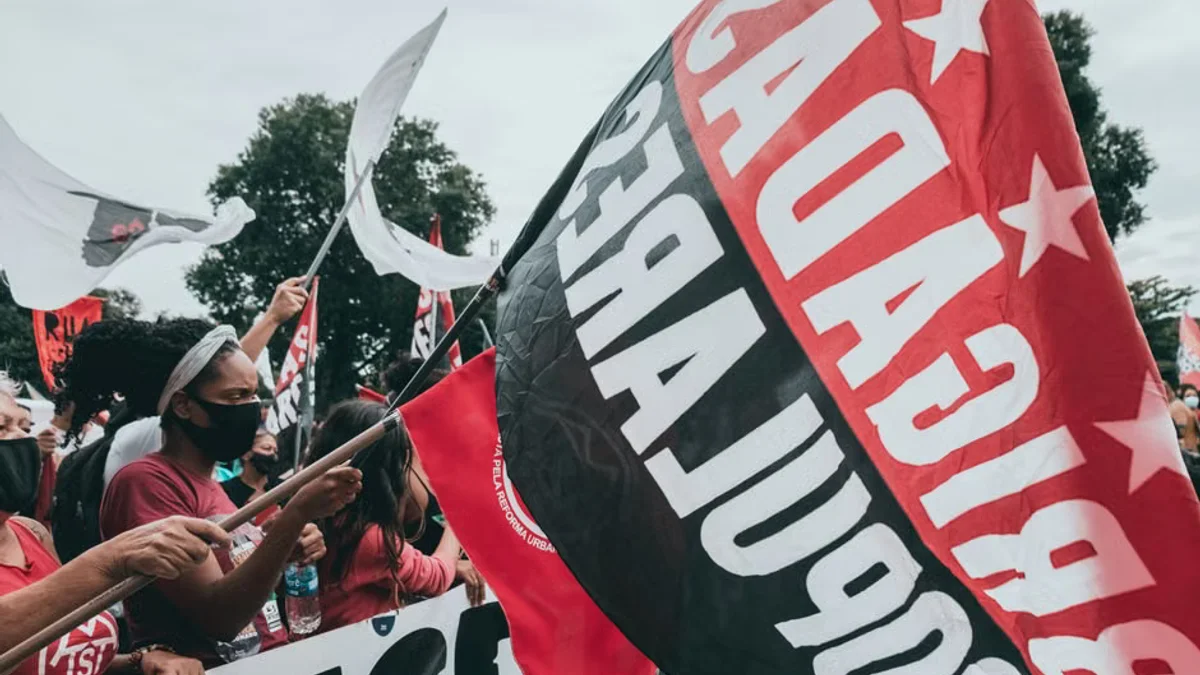
'Hosting a leader accused of widespread crimes against humanity undermines ASEAN’s credibility and inflicts profound distress on the millions suffering under military rule in Myanmar,' remarked a prominent regional human rights representative. Protests erupted outside governmental administrative complexes in Kuala Lumpur, with demonstrators demanding absolute transparency and ironclad protections for vulnerable refugee populations.
Key Highlights
- Senior General Min Aung Hlaing arrived in Malaysia for high-level state talks.
- Civil society and human rights groups fear compromised agreements on refugee repatriation.
- The visit highlights deep divisions within ASEAN regarding engagement with Myanmar's military junta.

As international scrutiny intensifies, diplomatic analysts warn that regional institutions risk further irrelevance if economic and political pragmatism continues to supersede fundamental human rights commitments in the handling of the Myanmar crisis.