
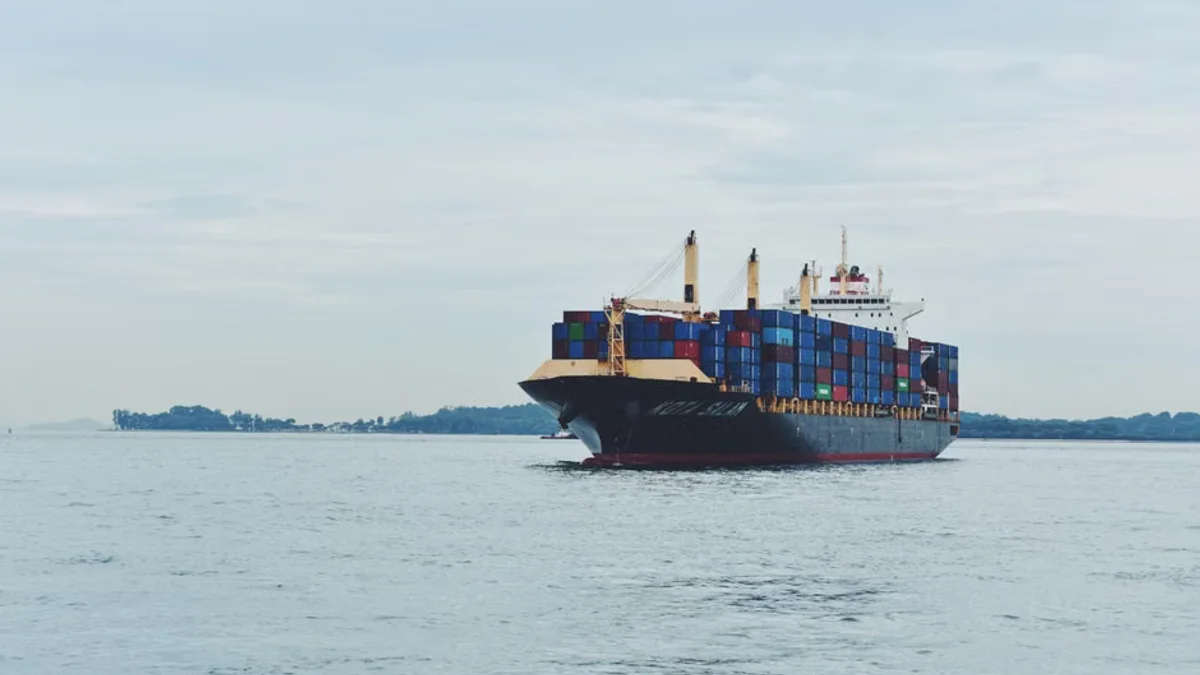
Maritime tracking data released this week indicates that vessel transits through the Strait of Hormuz have fallen to their lowest levels in more than two months. The steep decline follows a wave of security incidents and attacks in the vital waterway, prompting major shipping companies to reevaluate routes and exercise extreme caution.
The Strait of Hormuz handles roughly a fifth of the world's petroleum consumption, making it one of the most strategically critical chokepoints on the globe. Energy markets have reacted nervously to the disruption, with crude futures experiencing volatility as traders assess potential supply chain bottlenecks and rising insurance premiums for tankers operating in the Persian Gulf region.
International naval coalitions have increased patrols in the area to secure commercial shipping lanes, but shippers remain deeply unsettled. Industry associations are urging enhanced diplomatic efforts to restore stability and protect civilian crews navigating these troubled waters.
Key Highlights
- Ship transits through the Strait of Hormuz hit a two-month low.
- Disruption follows recent regional attacks causing anxiety in global energy markets.
- Crude oil futures experience volatility amid concerns over petroleum supply chains.

The ongoing maritime crisis highlights the extreme vulnerability of global trade routes to geopolitical conflict in the Middle East.