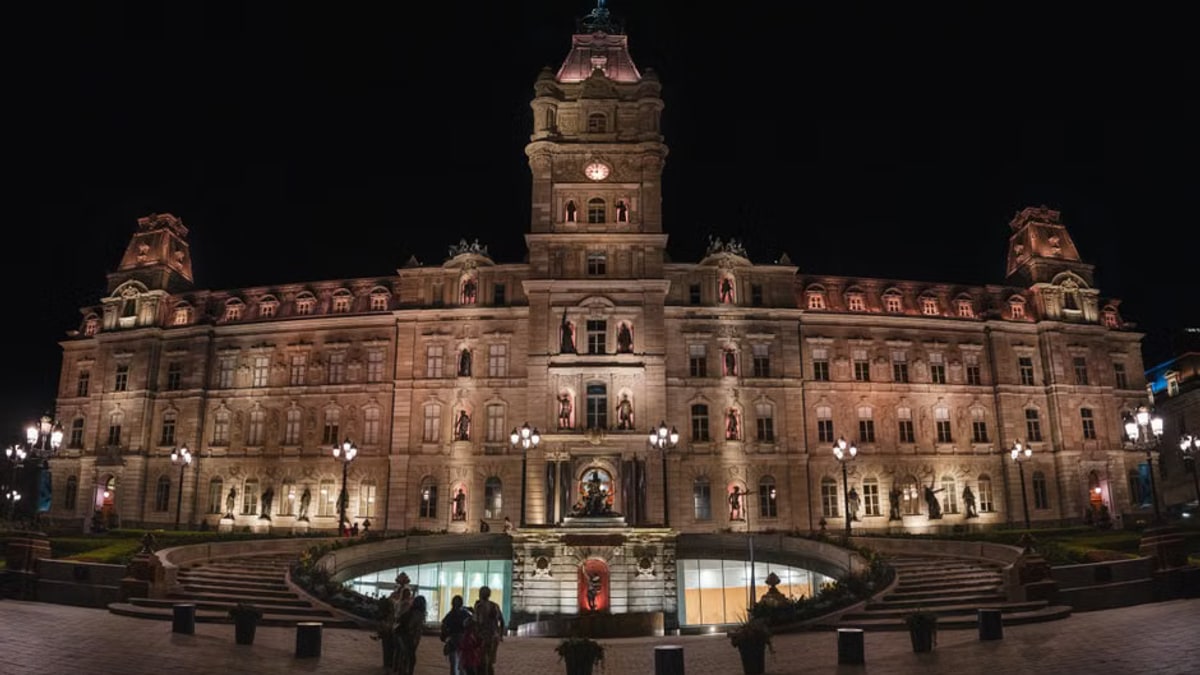
MONTREAL — The political battlegrounds of Quebec are heating up as provincial parties position themselves for a high-stakes electoral showdown. Centered around pressing voter anxieties regarding inflation, healthcare system strain, and the preservation of French language and culture, the campaign is shaping up to be one of the most fiercely contested in recent memory.
Incumbent leadership faces robust challenges from opposition parties promising aggressive economic relief and structural reforms to public services. Identity politics and provincial autonomy remain central pillars of debate, with nationalist rhetoric frequently clashing with federalist positions on how Quebec should manage immigration and economic powers.
Political analysts note that the electorate is increasingly volatile, with swing voters proving decisive in suburban ridings surrounding Montreal and Quebec City. The results will not only dictate provincial policy for the next term but could also send shockwaves through federal Ottawa politics as Prime Minister Justin Trudeau’s government navigates federal-provincial friction.
Key Highlights
- Quebec political parties are ramping up campaigns focusing on healthcare, inflation, and language identity.
- Electoral volatility in suburban ridings makes the outcome difficult to predict.
- The election results are expected to have significant repercussions for federal-provincial relations in Canada.
As campaigns enter their decisive phases, party leaders must balance appeals to their core ideological bases with pragmatic solutions to everyday economic hardships faced by Quebec families.