
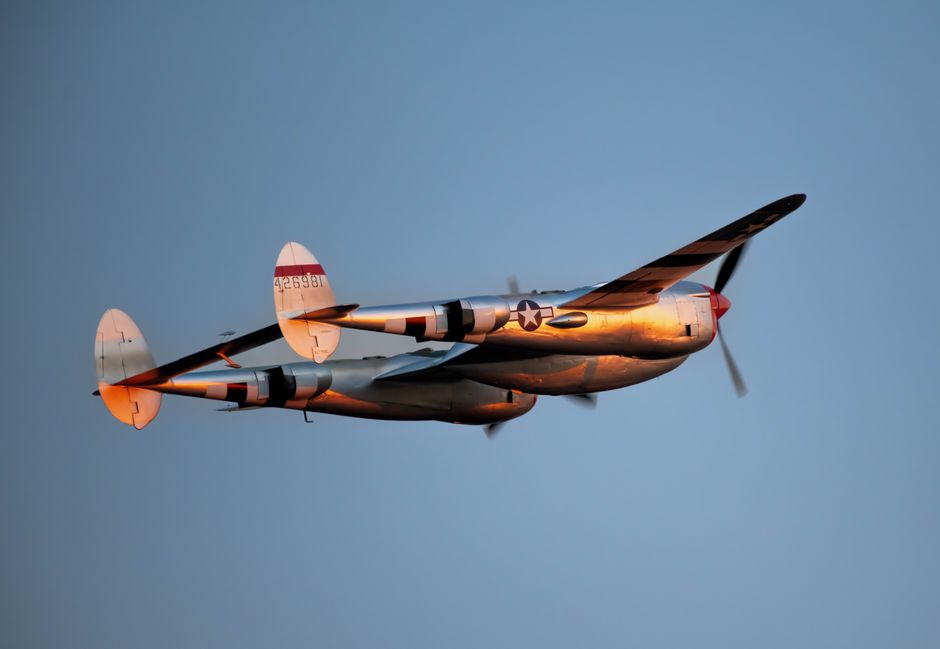
The continued strategic deployment and operational readiness exercises involving the Rockwell B-1 Lancer supersonic strategic bomber remain a focal point for international defense observers. Designed for long-range, high-payload missions, the aircraft continues to serve as a critical instrument of global power projection and allied deterrence.
Defense officials in Washington and allied capitals emphasize that these routine yet highly visible deployments demonstrate the capability to project combat power rapidly anywhere across the globe. Amid persistent geopolitical friction points in Eastern Europe, the Indo-Pacific, and the Middle East, the B-1 Lancer's flexibility in carrying both precision-guided conventional munitions and strategic cruise missiles provides commanders with vital operational options.
Aviation and security experts point out that maintaining aging strategic platforms requires sophisticated logistical frameworks and continuous modernization programs. Air Force commands are currently prioritizing avionics upgrades and structural enhancements to ensure these supersonic platforms remain viable in contested airspace environments well into the next decade.
Key Highlights
- Rockwell B-1 Lancer deployments reinforce strategic deterrence and rapid-response capabilities for Western alliances.
- The supersonic bombers offer crucial flexibility with heavy conventional payload capacities.
- Ongoing modernization efforts aim to extend the operational lifespan of the strategic fleet in contested zones.
Ultimately, the sustained operational tempo of the B-1 Lancer fleet serves as a clear signal of alliance cohesion and unwavering global defense commitments in an increasingly volatile security environment.


