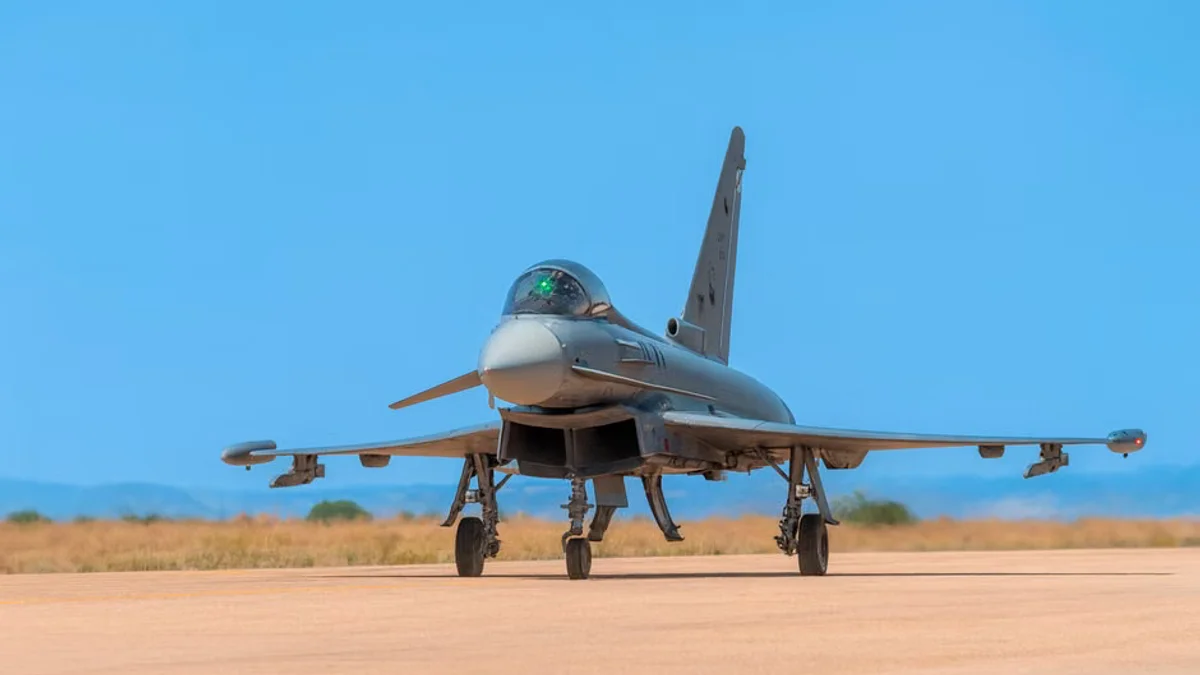
Intense aerial combat and precision long-range air defense engagements over eastern and southern Ukrainian frontlines have thrust Russia’s Sukhoi Su-34M strike fighter into international military spotlights this week. Defense intelligence briefings from the UK Ministry of Defence and NATO operational commands indicate that Russian aerospace forces (VKS) have suffered mounting losses of the modernized multirole twin-engine platform, which serves as Moscow’s primary delivery vehicle for devastating UMPK standoff glide bombs.
The Su-34M, an upgraded variant featuring upgraded radar suites, digital cockpit avionics, and electronic countermeasure systems, was designed to penetrate heavily contested airspace to conduct precision strikes against logistical supply depots and defensive fortresses. However, the deployment of advanced Western-supplied surface-to-air missile systems—including Patriot PAC-3 and NASAMS batteries—alongside deep-strike drone raids on Russian air bases in Morozovsk and Lipetsk has strained Moscow's operational tempo.

Aviation analysts estimate that Russia possesses fewer than 100 operational Su-34 airframes in active service, with replenishment rates severely constrained by international semiconductor sanctions targeting Russian defense conglomerate Rostec. Each airframe loss represents not merely an estimated $40 million financial deficit, but the attrition of highly trained flight crews who cannot be easily replaced amidst an intense war of attrition.
As Western allies accelerate pilot conversion training for Ukrainian F-16 squadrons and prepare deliveries of French Mirage 2000-5 fighters, the battle for frontline air denial enters an unpredictable new phase. Moscow’s reliance on standoff glide weapons launched dozens of kilometers behind the contact line reflects an increasingly cautious tactical posture aimed at preserving its dwindling fleet of modern strike bombers.
Key Highlights
- Russia's modernized Su-34M strike bombers face heightened attrition against integrated Ukrainian air defense networks.
- The aircraft is pivotal to Moscow’s operational doctrine of deploying heavy guided glide bombs along frontline trenches.
- Sanctions against Russian defense industrial manufacturing continue to slow replacement production rates for advanced avionics.
- Deep-strike drone attacks against regional military airfields have forced Russian commanders to disperse aviation assets.

The operational struggles of Russia's premier tactical bomber highlight the decisive role of modern electronic warfare and integrated air defense in blunting traditional air superiority doctrines.