In what Ukrainian military officials are describing as one of the most concentrated aerial assaults since the 2022 invasion began, Russian armed forces launched a wave of more than 850 loitering munitions and long-range strike drones across Ukraine over a 48-hour period. President Volodymyr Zelenskyy addressed the nation, highlighting the strain placed on interceptor reserves and urging Western allies to immediately expedite shipments of Patriot, NASAMS, and IRIS-T air defense munitions.
The coordinated bombardment primarily targeted high-voltage electrical substations, transportation hubs, and municipal energy distribution facilities across central and western Ukraine, including Kyiv, Lviv, and Kharkiv. Regional grid operators reported widespread rolling blackouts as emergency engineering units scrambled to contain fires and restore emergency power generation to hospitals and water treatment plants amid freezing late-season temperatures.

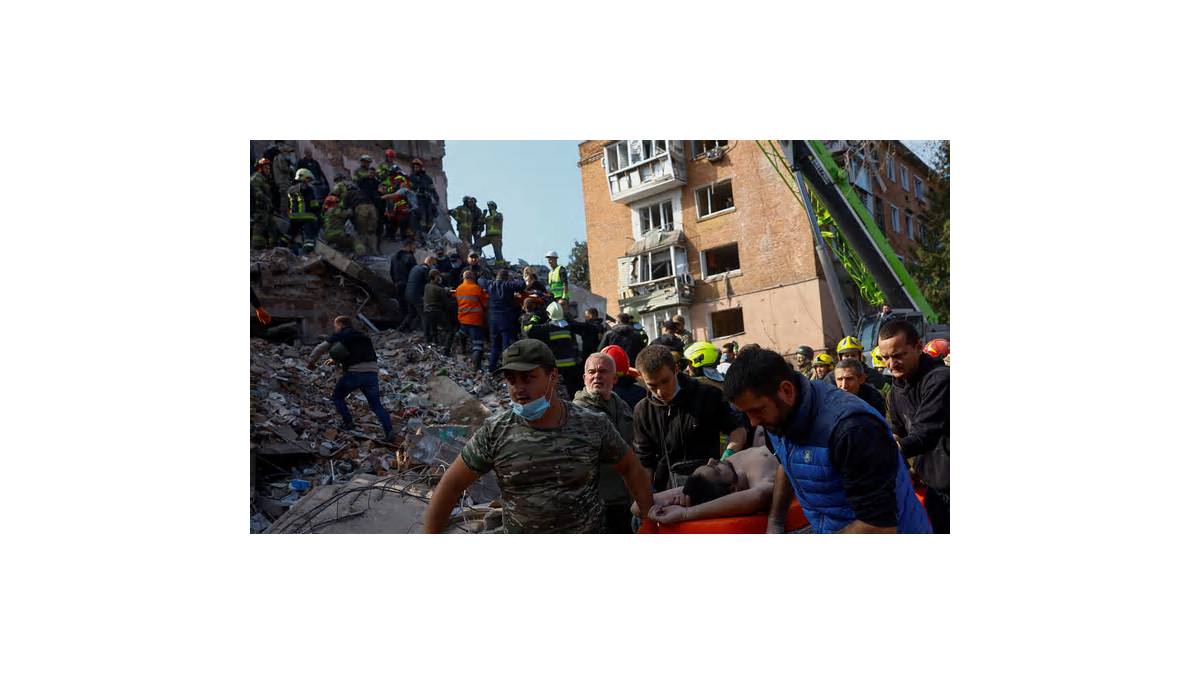
According to the Ukrainian Air Force command, air defense units, mobile drone-hunting teams, and electronic warfare battalions successfully neutralized the majority of incoming Shahed-type drones. However, saturation tactics allowed dozens of high-explosive warheads to slip through protective envelopes, damaging civilian apartment blocks and commercial logistics complexes.
Key Highlights of the Assault
- Massive Drone Saturation: Over 850 unmanned aerial vehicles deployed in sequential waves to overwhelm domestic air defense arrays.
- Critical Infrastructure Hit: Thermal power plants and key transmission junctions in three major administrative regions sustained severe structural damage.
- Diplomatic Pressure on Washington and Brussels: Ukrainian diplomats issued urgent appeals for replenishment of precision interceptors and enhanced electronic jamming hardware.
- Civilian Toll: Emergency services reported multiple casualties and significant residential destruction across frontline and inland cities.
The escalation comes at a pivotal diplomatic juncture as European leaders confer in Brussels to finalize long-term military assistance packages and the United States Congress navigates contentious debates regarding supplemental defense funding. Security analysts warn that Moscow's intensified reliance on swarm drone tactics reflects a strategic doctrine intended to exhaust Ukrainian ammunition stockpiles ahead of anticipated spring ground offensives.
As international observers monitor the deteriorating humanitarian conditions in urban centers, NATO leadership reiterated its commitment to fortifying Ukraine's sovereign airspace. Nonetheless, defense experts emphasize that sustained defense against saturation attacks requires not only ground-based interceptors, but also the rapid deployment of modern multirole fighter aircraft and deep-strike strike systems capable of degrading drone launch platforms before deployment.