
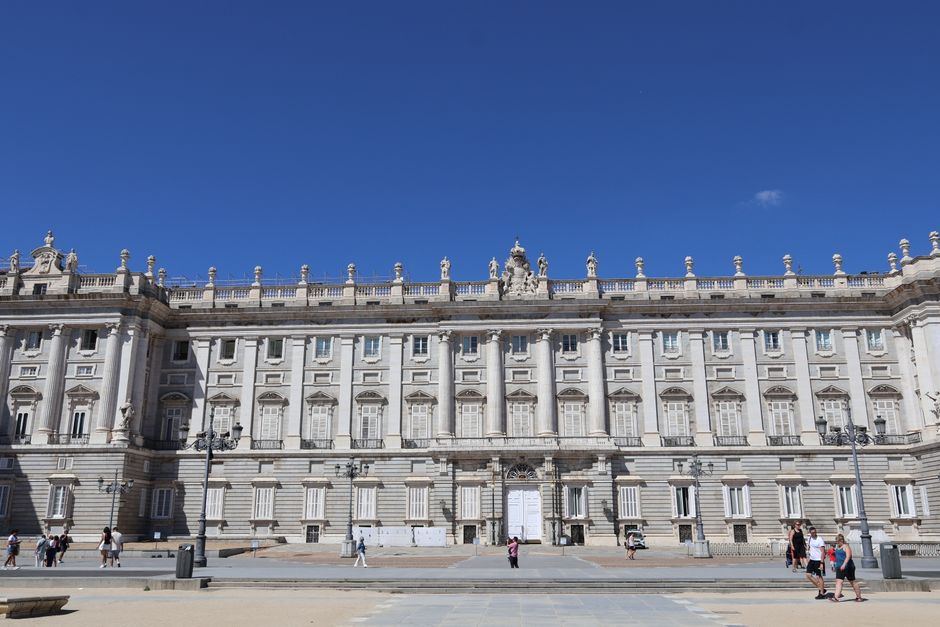
MADRID — Spanish Prime Minister Pedro Sánchez announced on Tuesday that he is dissolving parliament and calling a snap general election for November 29. The decision follows weeks of mounting political turbulence sparked by a severe nationwide housing affordability crisis that has strained his coalition government and ignited widespread public protests.
Addressing the nation from the Moncloa Palace, Sánchez defended his administration's record while acknowledging that systemic economic pressures require a direct mandate from the electorate. The housing crisis, characterized by skyrocketing rental costs in major urban centers like Madrid and Barcelona alongside stagnant wage growth, has become the dominant flashpoint in Spanish domestic politics.
Opposition parties have seized upon the government's handling of the crisis, accusing officials of failing to implement effective structural reforms. Political analysts suggest the snap election represents a high-stakes gamble for Sánchez, who hopes to consolidate support and bypass legislative gridlock before municipal discontent further erodes his party's standing across the European Union's southern anchor.
Key Highlights
- Prime Minister Pedro Sánchez dissolves parliament, setting an election date for November 29.
- Soaring housing costs and rental inflation serve as the primary catalyst for the political shift.
- Opposition leaders criticize government policies while preparing for an accelerated campaign cycle.
The outcome of the upcoming vote will have significant implications not only for Spain's domestic socioeconomic policy but also for the broader political equilibrium within the European Union.


