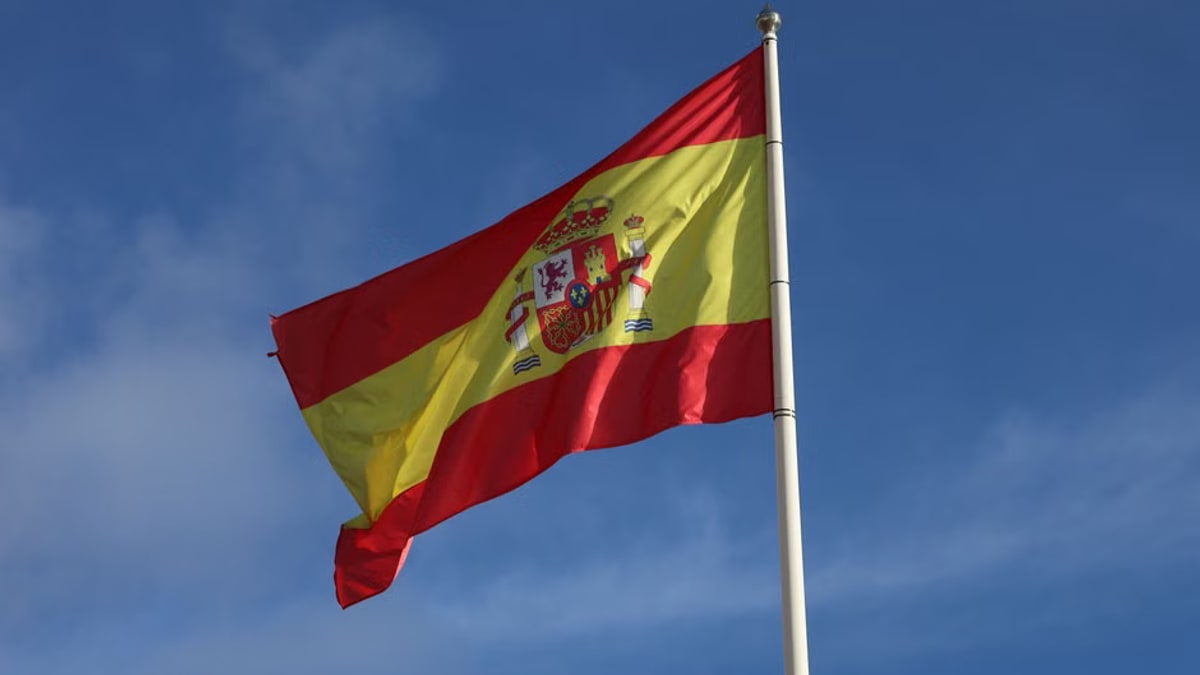
MADRID — Spanish Prime Minister Pedro Sánchez announced a surprise snap general election for November 29, a move that dramatically alters the country's immediate political landscape and sends ripple effects across the European Union. Speaking from the Moncloa Palace, Sánchez cited mounting legislative hurdles and an unsustainable parliamentary gridlock as the primary catalysts for his decision to dissolve the Cortes Generales.
The announcement comes at a critical juncture for Madrid, which holds a prominent voice in broader EU fiscal and security policy debates. Opposition leaders immediately slammed the timing of the vote, accusing the Socialist leader of attempting to outmaneuver political rivals amid cooling economic growth and persistent inflation pressures across the Iberian Peninsula. Financial markets reacted with cautious stability, though analysts warn of heightened volatility as the campaign season officially kicks off.
Political analysts note that Sánchez’s coalition government has faced immense pressure from both regional independence parties and conservative factions, making cohesive governance increasingly difficult. The upcoming electoral battle is expected to center heavily on economic reforms, housing affordability, and Spain's stance on international migration and foreign policy.
Key Highlights
- Prime Minister Pedro Sánchez dissolves parliament, setting a general election for November 29.
- Decision triggered by severe legislative gridlock and shifting coalition alliances.
- Markets and EU officials closely monitor the snap vote amid broader continental economic pressures.
As Spain prepares for an intense weeks-long campaign, the outcome could redefine the balance of power in Southern Europe and heavily influence broader European integration strategies.