
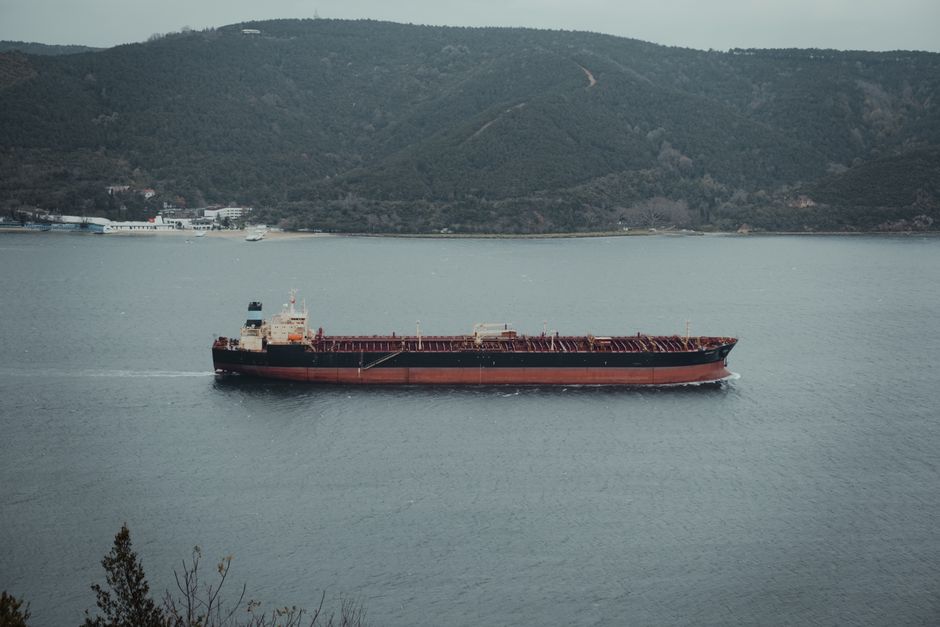
International maritime authorities have escalated security warnings for commercial vessels navigating the Strait of Hormuz, following a series of tense encounters and heightened military posturing in the vital waterway. The strait, which handles roughly a fifth of the world's petroleum consumption, serves as a critical artery for global energy trade.
Energy analysts and shipping insurers are closely monitoring the situation as military vessels from multiple allied nations increase patrols to safeguard passage. Any sustained disruption in this corridor risks immediate spikes in global crude prices, threatening fragile economic recoveries across Europe, Asia, and North America.
Diplomatic channels remain active as regional and Western governments urge restraint to prevent miscalculations that could spiral into a broader military confrontation. Maritime trade associations have advised operators to maintain heightened readiness and implement advanced security protocols.
Key Highlights
- Strait of Hormuz handles approximately 20% of global petroleum supplies.
- International maritime authorities issue heightened security protocols for commercial tankers.
- Global energy markets react nervously to escalating military patrols in the region.
As the standoff persists, the international community faces the delicate task of balancing freedom of navigation with the prevention of regional escalation, keeping global economic stability hanging in the balance.


