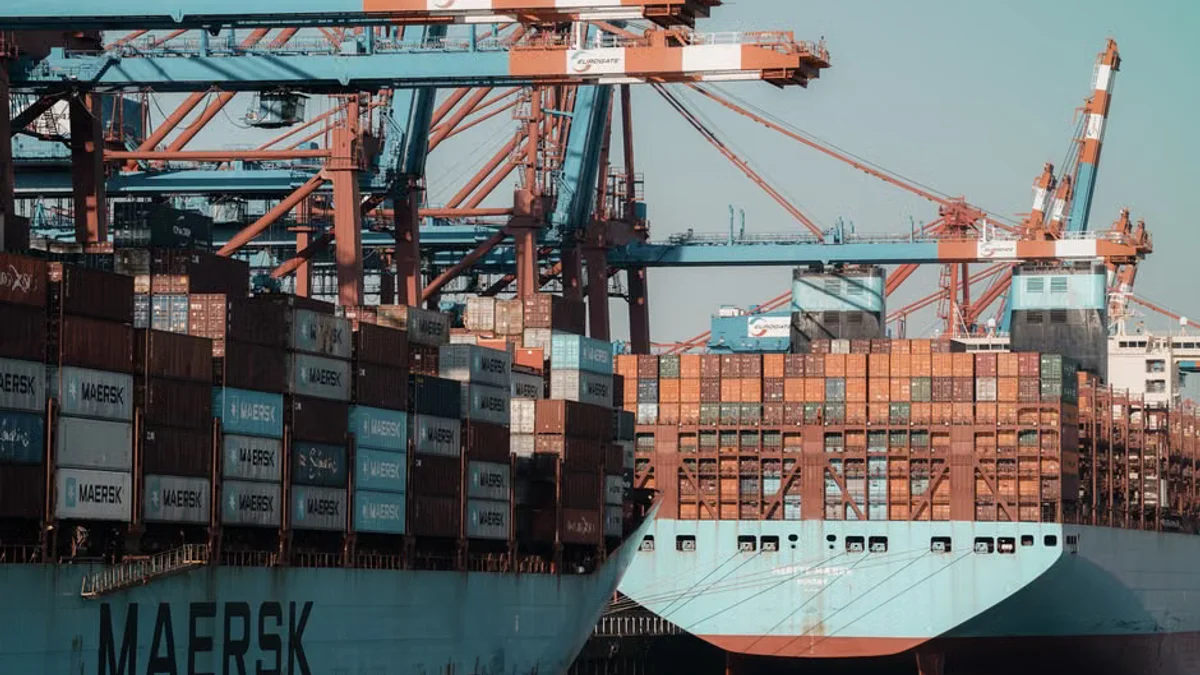
International maritime security monitors have issued renewed, high-level warnings regarding ongoing threats to commercial shipping in the critical Strait of Hormuz. Despite international naval patrols and diplomatic interventions, cargo vessels and oil tankers continue to face severe risks of indiscriminate attacks in the vital trade corridor.
The Strait of Hormuz handles roughly a fifth of the world's petroleum supply, making any sustained disruption an immediate catalyst for global energy market volatility. Recent incidents involving drone and missile threats have forced major shipping conglomerates to reevaluate routes, increase insurance premiums, and coordinate closely with regional defense coalitions.

Defense analysts emphasize that escalating geopolitical tensions involving Iran and regional proxies have transformed the narrow waterway into one of the most volatile geopolitical flashpoints on Earth. Naval forces stationed in the region remain on heightened alert, escorting vulnerable vessels through contested maritime zones.
Global leaders and trade organizations have called for immediate de-escalation and enhanced freedom of navigation safeguards to prevent catastrophic impacts on international commerce and fuel prices worldwide.
Key Highlights
- Maritime monitors warn of ongoing indiscriminate attacks on ships in the Strait of Hormuz.
- The strategic waterway handles a significant portion of global oil and cargo shipments.
- Shipping firms face soaring insurance costs and are forced to adjust transit routes.
- International naval coalitions maintain heightened security postures to protect trade.

As diplomatic efforts stall, the enduring vulnerability of maritime trade underscores the fragile interdependence of global energy markets and geopolitical security.