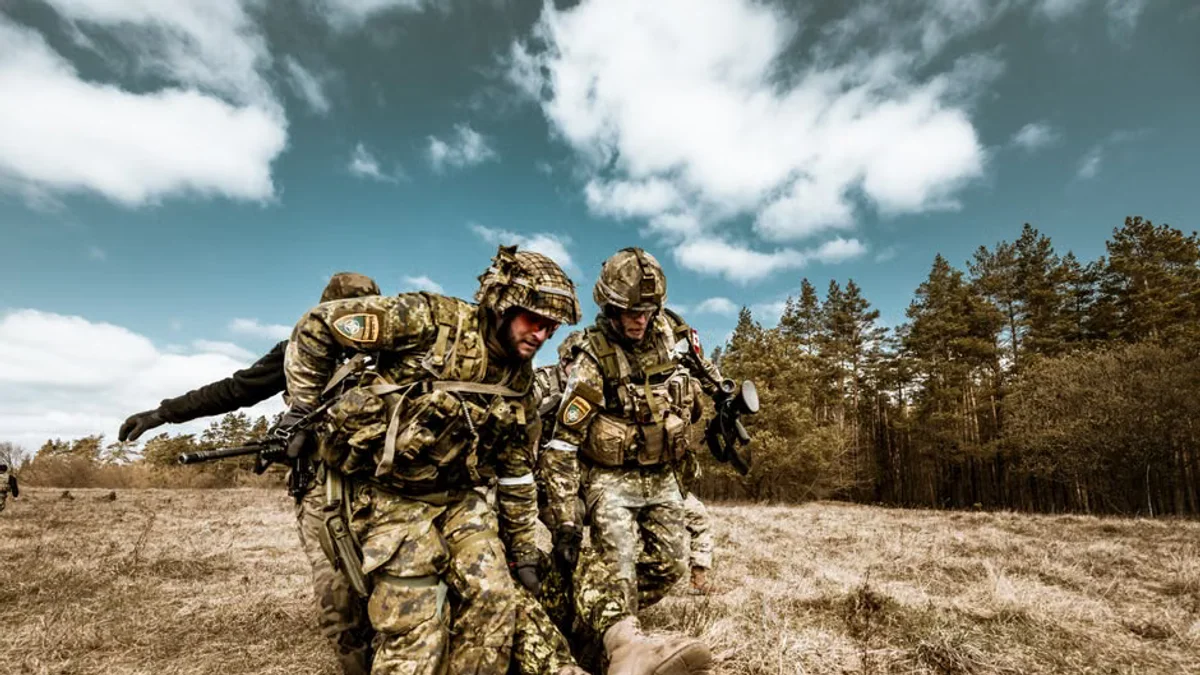
Diplomatic discussions surrounding Arctic sovereignty and North American security have sharply reignited following renewed discourse over Donald Trump’s longstanding interest in Greenland. The autonomous Danish territory, strategically positioned between the North Atlantic and the Arctic Oceans, has returned to the diplomatic forefront as international leaders reassess Arctic geopolitical security, shipping sea-lanes, and the race for strategic rare earth elements.
During his first presidential administration, Trump's proposition that the United States consider purchasing Greenland was initially met with incredulity in Copenhagen and Nuuk. However, security analysts across NATO member states now broadly recognize that the underlying strategic rationale was far from frivolous. The melting polar ice cap is rapidly opening previously inaccessible maritime transit routes while uncovering vast, unexploited deposits of rare earth minerals essential for electric vehicles, aerospace manufacturing, and advanced semiconductor fabrication—resources currently dominated by China.
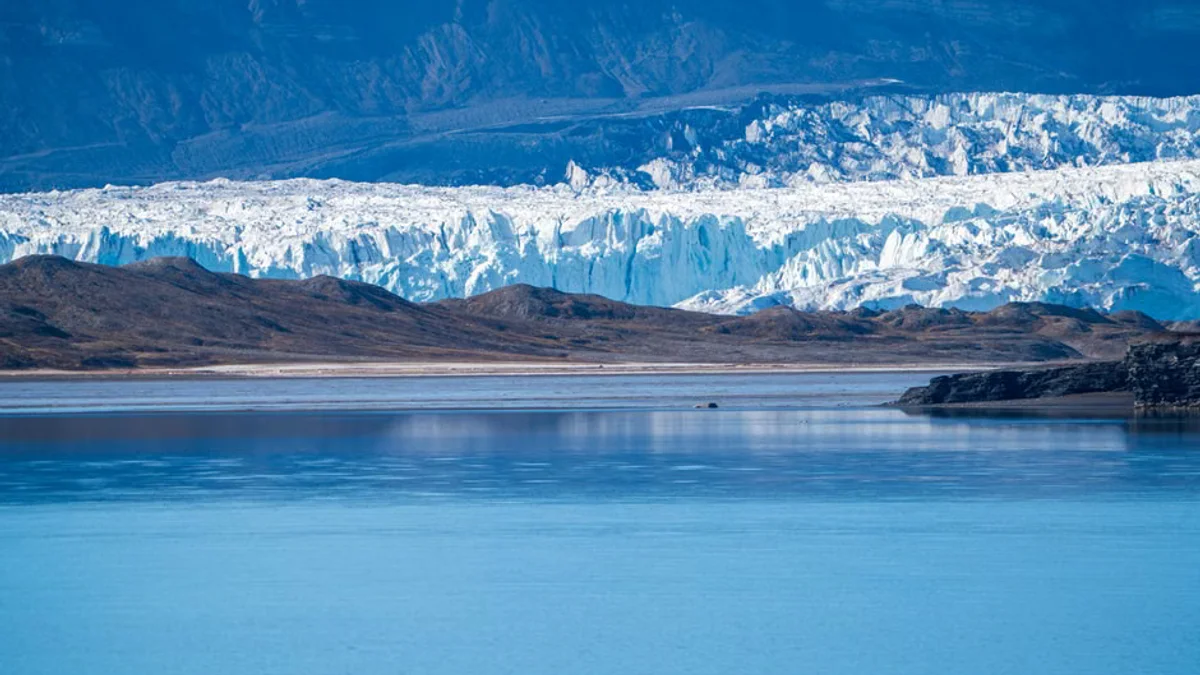
Danish officials and Greenlandic political leaders have consistently reiterated that Greenland is not for sale, emphasizing indigenous self-determination and sovereign autonomy. Danish Prime Minister Mette Frederiksen has repeatedly stressed Copenhagen's commitment to modernizing the island's defense capabilities alongside NATO partners while respecting Nuuk's democratic will. Simultaneously, the Pentagon has steadily increased its logistical investments in the region, particularly surrounding the strategically vital Pituffik Space Base (formerly Thule Air Base), which plays a pivotal role in early missile warning detection and space surveillance.
The geopolitical stakes are further compounded by escalating Russian military activity throughout the High North. Moscow has reopened dozens of Soviet-era military outposts along its northern coastline, compelling Washington, Ottawa, and Scandinavian capitals to prioritize Arctic defensive containment. As political campaigns and policy think tanks evaluate future transatlantic relations, the strategic significance of Greenland stands as a vital pillar of 21st-century Western defense architecture.
Key Highlights
- Renewed debate over Donald Trump's strategic perspective on Greenland captures transatlantic attention.
- Greenland remains critical to NATO missile defense through the modernized Pituffik Space Base.
- Intensified competition between the US, China, and Russia over Arctic maritime lanes and vital mineral reserves.
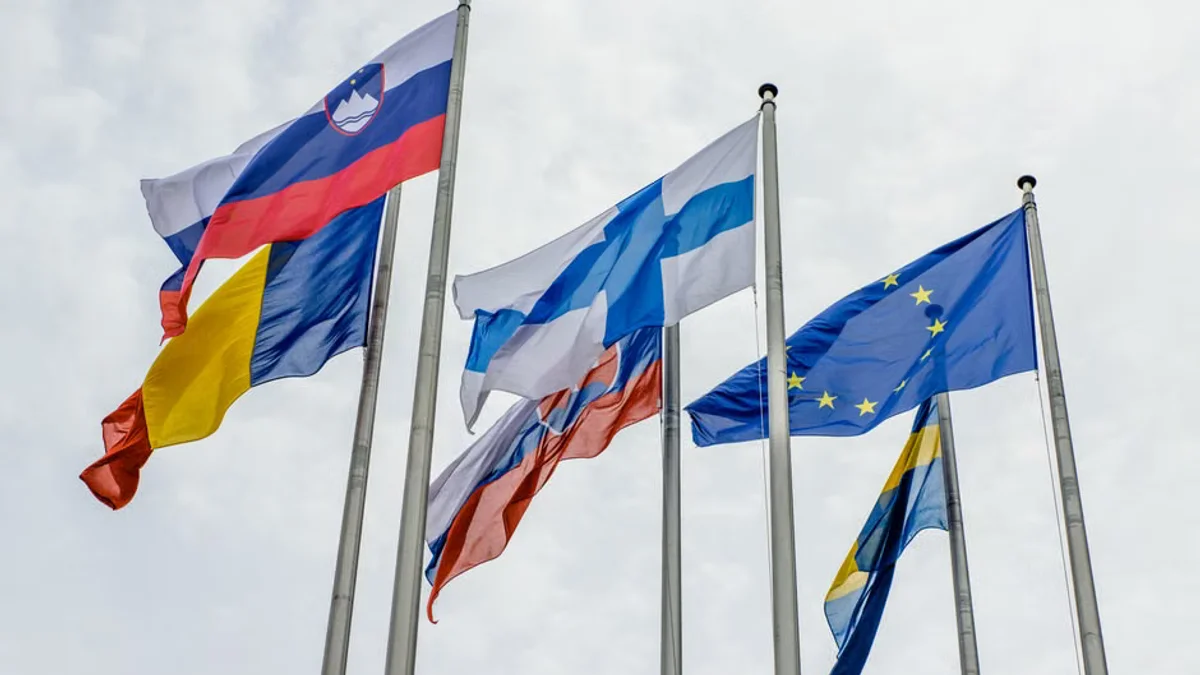
Whether viewed through unconventional diplomatic proposals or long-term defense planning, the global spotlight on Greenland underscores an undeniable reality: the Arctic has decisively become one of the premier strategic frontiers of contemporary geopolitics.